
Business
Nigeria absent from IMF top 10 debt list as Africa exposure rises

Nigeria IMF exposure absence 2026 highlights its omission from IMF debt list as African nations increase reliance on IMF support
Nigeria has been left out of the latest International Monetary Fund (IMF) exposure rankings for African countries in 2026, even as several economies across the continent continue to deepen their reliance on multilateral financial support.
Also read: Dangote warns AI could disrupt engineering careers sharply

The IMF data released in April 2026 outlines ten African nations with the highest outstanding obligations to the Fund, reflecting growing fiscal pressure in many developing economies.
While countries such as Egypt, Kenya, and Ghana feature prominently on the list, Nigeria’s absence indicates a comparatively lower direct dependence on IMF lending at this stage.
The development comes against the backdrop of widening fiscal challenges across Africa, where rising debt servicing costs, currency instability, and inflationary pressures have pushed several governments into IMF-backed reform programmes.
In many cases, these programmes have evolved from short-term financing arrangements into longer-term policy frameworks influencing budgetary decisions, public spending, and structural reforms.
Analysts note that countries like Kenya and Ghana remain closely tied to ongoing IMF engagements, while others are seeking new arrangements to stabilise weakening economies.
The experience of smaller economies, including Guinea-Bissau, highlights both the support and constraints associated with IMF programmes, particularly where reform targets and fiscal adjustments are involved.
Despite Nigeria’s exclusion from the current top debtor list, experts caution that the country’s broader debt profile remains significant, driven largely by domestic borrowing and alternative external financing sources.
Nigeria’s total public debt has continued to rise in recent years, reflecting increased government spending pressures and efforts to manage economic reforms.
Economists say the country’s position outside the IMF exposure rankings should not be interpreted as immunity from future reliance, especially if fiscal challenges persist.
Also read: Dangote warns AI could disrupt engineering careers sharply
For now, however, Nigeria remains outside the group of African economies most directly dependent on IMF funding, a position that underscores its different financing approach within a changing continental debt landscape.


Business
UBA Foundation Drives Environmental Awareness with Tree Planting in Lagos Schools for WED 2026

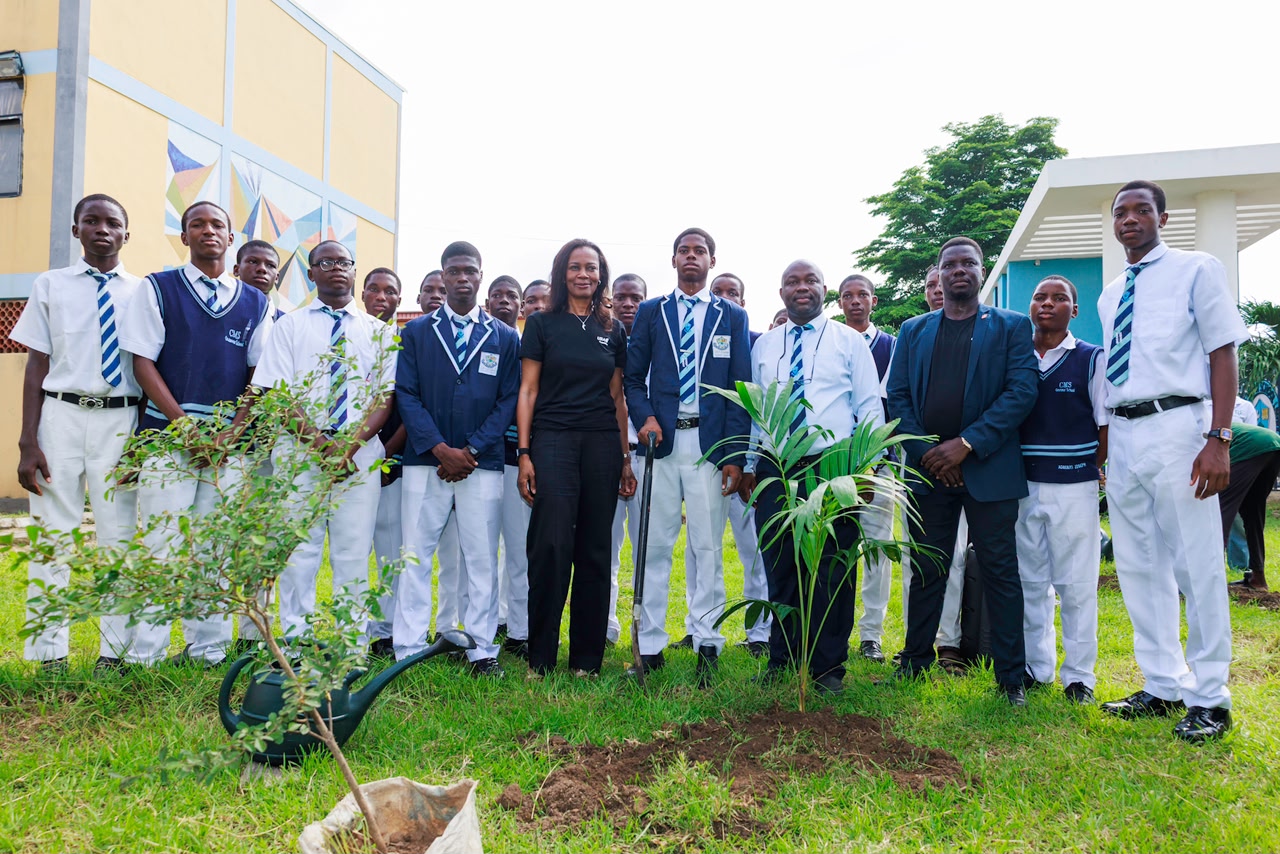
UBA Foundation tree planting initiative marks World Environment Day 2026 with sustainability drive across Lagos schools to promote climate action
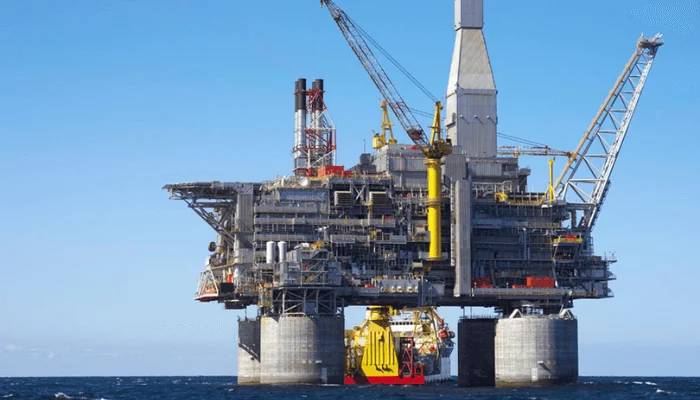

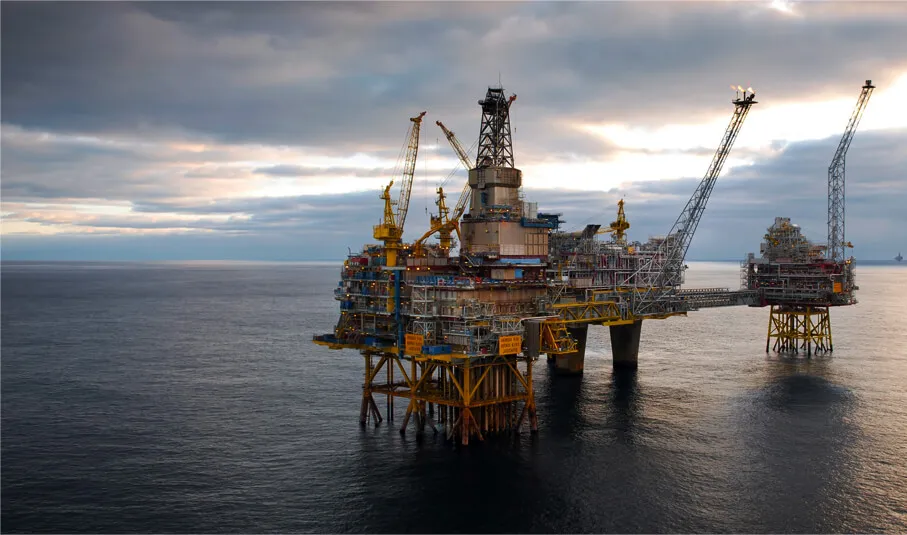
Malabu Oil and Gas dispute escalates as the company demands correction and apology over alleged inaccuracies in The Africa Report OPL 245 story
-
Politics2 years ago
13 Ondo Assembly Members Disown Endorsement of Aiyedatiwa
-
Politics2 years ago
APC Group, Ondo Govt, Quarrel Over Money for Endorsement
-

 Trending News5 years ago
Stop unsavoury, inciting statements – DSS warns
-

 Others4 years ago
Adron Homes Celebrates 10 Years Of Housing Excellence
-

 Humanity4 years ago
President Buhari Commiserates With Ambassador Maureen Tamuno Over The Loss Of Her Father
-

 Others7 years ago
EX- CUSTOMS BOSS, IBRAHIM MERA’S DWINDLING FAME
-

 Business2 years ago
Bigi Carbonated Soft Drinks Treats 40 Consumers to an Epic Easter Movie Hangout
-

 Business2 years ago
Wema Bank Shines at Global SME Finance Forum Conference Awards 2024 …Awarded: • SME Financier of the Year (Africa) • Platinum Award for Best Financier for Women Entrepreneurs (Africa)