
health
Nigeria Confirms Ebola Case as 44 Contacts Monitored

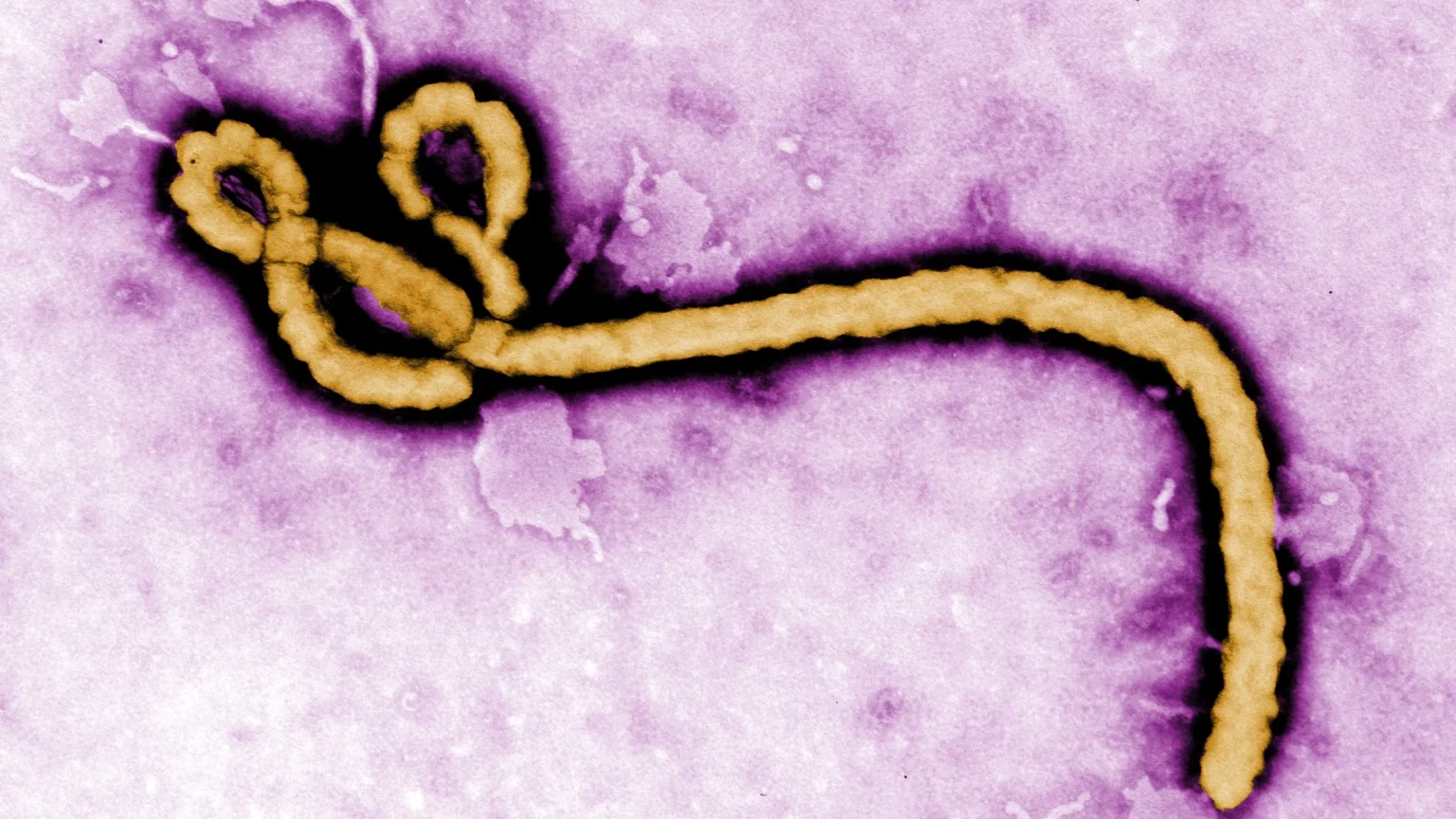
Nigeria confirms an imported Ebola case in Abuja as health authorities monitor 44 contacts and intensify efforts to prevent further transmission
The Federal Government has confirmed an imported Nigeria Ebola case in Abuja after a woman who recently travelled from Uganda tested positive for Ebola virus disease, prompting health authorities to place 44 contacts under surveillance.
Also read: NNPC Records ₦7.2tn Profit as Tinubu Receives 2025 Report

Nigeria’s Minister of Health and Social Welfare, Professor Ali Pate, disclosed this on Tuesday, October 20, 2026, saying the woman had travelled to Uganda before developing symptoms on October 7.
The patient sought treatment at a private hospital in Abuja on October 11, but her condition later worsened. Further tests eventually confirmed that she had Ebola virus disease on October 20.
“The patient is a woman who had travelled to Eastern Africa, to Uganda in particular. She came back, had symptoms that commenced on the 7th of October,” Pate said.
“On the 11th, she attended a private facility where she was being taken care of. Her symptoms progressed, and further tests indicated that she had Ebola virus disease.”
The patient is currently in isolation and receiving medical care, while public health officials intensify efforts to identify people who may have been exposed to the virus.
Pate said 44 contacts had so far been identified and placed under surveillance.
The contacts include healthcare workers, patients, caregivers and people who may have travelled with the infected woman.
The minister urged anyone contacted by public health officials, including passengers who may have travelled with the patient, to provide the necessary information and comply with health instructions.
“Anyone contacted during the contact tracing period that we are in, including those who may have travelled with that individual, should provide necessary information requested and follow public health advice,” he said.
The Federal Ministry of Health and Social Welfare, the Nigeria Centre for Disease Control and Prevention, the FCT Health Secretariat, the World Health Organisation and the Africa Centres for Disease Control and Prevention are working together to contain the infection.
The private hospital where the woman initially received treatment is also receiving support to strengthen its infection prevention and control measures.
Pate urged public and private healthcare facilities nationwide to remain on high alert and ensure suspected cases are promptly isolated and reported.
The confirmation of the case comes amid a wider Ebola outbreak affecting parts of Africa.
Kenya has reported nine confirmed cases, while the Democratic Republic of the Congo is also battling the outbreak.
Africa CDC Director-General, Dr Jean Kaseya, said he had spoken with Pate about Nigeria’s confirmed case and commended the minister for promptly sharing the information.
Kaseya said Africa CDC had warned about the regional implications of the outbreak after it was declared on May 15, 2026.
According to him, the Ebola Bundibugyo outbreak has become the most geographically widespread Ebola outbreak in history, affecting several countries across three regions of Africa.
He said the situation in the Democratic Republic of the Congo remained particularly serious, with the mortality rate approaching 50 per cent.
Kaseya called for urgent international assistance, including flexible financing, medical supplies, diagnostic capacity, trained responders and stronger community-based surveillance.
“My appeal to the international community is urgent: Act Now,” he said.
He warned that delays could cost lives and allow the outbreak to spread to more countries.
Ebola virus disease is a severe illness caused by viruses in the Orthoebolavirus genus. The current regional outbreak involves the Bundibugyo virus, which has previously caused outbreaks in Central and East Africa.
The disease spreads mainly through direct contact with the blood or other body fluids of an infected person who has developed symptoms, or through contact with the body of someone who has died from the infection.
Transmission can also occur through contaminated clothing, bedding, medical equipment and other materials.
Symptoms typically appear between two and 21 days after exposure and may include fever, severe headache, weakness, muscle pain, vomiting, diarrhoea and abdominal pain.
Some patients may experience bleeding, although it does not occur in every case.
Because early symptoms can resemble malaria and other common illnesses, people who may have been exposed are advised to seek medical attention promptly and disclose their travel and contact history.
Ebola is not generally transmitted before symptoms develop, making early detection, isolation and contact tracing crucial to preventing further transmission.
Preventive measures include regular handwashing, avoiding contact with the body fluids of suspected or confirmed cases and using appropriate protective equipment when caring for patients.
Suspected Ebola-related deaths should also be handled by trained personnel to minimise the risk of infection.
Professor Ali Pate urged Nigerians to remain calm but vigilant and warned against spreading unverified information about the outbreak.
He recalled Nigeria’s successful containment of an Ebola outbreak in 2014, saying the country had the expertise and response systems needed to manage the latest case.
The minister also disclosed that the Presidential Task Force on Ebola Virus Disease had been constituted in May 2026 as part of the government’s preparedness measures.
Members of the public seeking information or wishing to report suspected cases can contact the NCDC’s toll-free line, 6232, which operates 24 hours a day, seven days a week.
Also read: NNPC Records ₦7.2tn Profit as Tinubu Receives 2025 Report
The Federal Government said investigations and contact tracing were continuing, with further updates expected as health authorities obtain more information.


FCCPC orders producers to comply with food fortification standards after a survey found inadequately fortified vegetable oil and salt in Nigerian markets
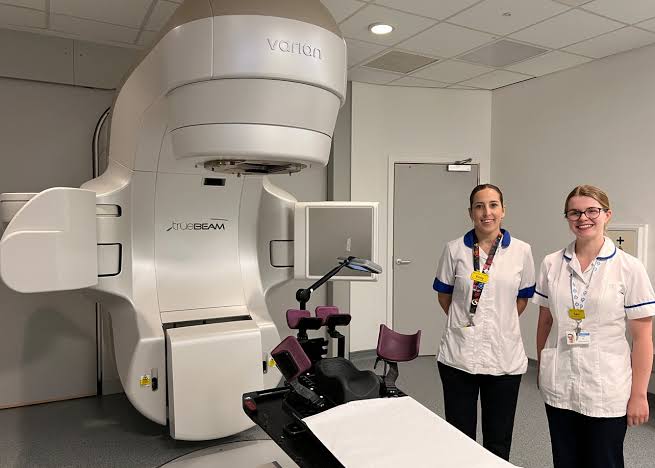
The UK is testing five-day breast cancer radiotherapy in a major trial that could reduce hospital visits and treatment costs for patients
The United Kingdom has launched a major clinical trial involving more than 1,000 participants to determine whether breast cancer radiotherapy can be shortened from three weeks to five days without compromising its effectiveness in preventing the disease from returning.
Also read: Grey CEO Urges Africa to Ditch Dollar for Trade
The government-funded FAST-Forward Boost trial, being conducted at 39 hospitals across the UK, will investigate whether a shorter course of radiotherapy combined with an additional targeted dose, known as a boost, can provide effective treatment for patients following breast cancer surgery.
The UK Department of Health and Social Care announced the development on Friday, October 30, describing the study as part of efforts to improve cancer treatment and make care more convenient for patients.
Led by the Institute of Cancer Research in London and funded by the National Institute for Health and Care Research, the study aims to recruit 4,830 participants by 2028.
Those enrolled will be followed up for five years, with results expected in 2033.
If the approach proves successful, it could reduce the number of hospital visits required by patients, potentially saving them 10 journeys compared with the existing three-week treatment schedule.
The department said the shorter schedule could also reduce transport expenses and the time patients spend away from work and family.
It could additionally ease pressure on the National Health Service by freeing up radiotherapy capacity for other patients.
Health and Social Care Secretary Yvette Cooper said the trial reflected the country’s efforts to use medical research to improve cancer care.
“This trial shows how the UK is using our world beating research capabilities to pursue huge improvements and transformations in cancer treatment for patients,” she said.
Why the radiotherapy trial matters
Radiotherapy uses carefully targeted radiation to destroy cancer cells or prevent them from growing.
For many people with breast cancer, it is recommended after surgery to reduce the risk of the disease returning in the treated area.
A treatment boost involves delivering an additional dose of radiation to the area considered to have a higher risk of recurrence, usually the site where the tumour was removed.
The FAST-Forward Boost trial is examining how this additional treatment can be incorporated into a shorter schedule.
Reducing treatment from three weeks to five days could make a considerable difference to patients who must travel regularly to hospitals.
The impact may be particularly significant for people living far from specialist cancer centres, those with limited transport options and patients balancing treatment with employment or family responsibilities.
However, the trial is designed to establish whether the shorter approach is effective and safe for the patients being studied. Its results will be important in determining whether the treatment schedule can become a wider option in clinical practice.
UK expands breast cancer screening efforts
The announcement comes as the British government intensifies efforts to improve breast cancer screening, encourage early diagnosis and strengthen support for patients.
The Department of Health and Social Care said screening uptake among women receiving their first invitation had risen to 63.6 per cent, its highest level in a decade.
Despite the improvement, around four in 10 women invited for their first screening appointment still do not attend.
The government is also working with the National Institute for Health and Care Research and NHS England on studies examining how artificial intelligence could support the analysis of mammograms.
The technology is being explored as a way to assist the assessment of breast screening images, although its role and effectiveness must be established through appropriate research and clinical evaluation.
In addition, the government has partnered with breast cancer charity Breast Cancer Now for three years to help women recognise symptoms, find reliable information and access support after treatment.
Together, the initiatives reflect a broader approach to breast cancer care, combining screening, research into treatment improvements and support for people living with the disease.
Also read: Grey CEO Urges Africa to Ditch Dollar for Trade
For now, the five-day radiotherapy approach remains under investigation. With final results not expected until 2033, the FAST-Forward Boost trial will need to establish whether reducing treatment time can deliver comparable cancer control while maintaining patient safety.
The DR Congo Ebola outbreak is recording 50 to 80 new confirmed cases daily, with about 10,000 cases and nearly 5,000 deaths reported
-
Politics3 years ago
13 Ondo Assembly Members Disown Endorsement of Aiyedatiwa
-
Politics3 years ago
APC Group, Ondo Govt, Quarrel Over Money for Endorsement
-

 Trending News6 years ago
Stop unsavoury, inciting statements – DSS warns
-

 Others5 years ago
Adron Homes Celebrates 10 Years Of Housing Excellence
-

 Humanity5 years ago
President Buhari Commiserates With Ambassador Maureen Tamuno Over The Loss Of Her Father
-

 Others7 years ago
EX- CUSTOMS BOSS, IBRAHIM MERA’S DWINDLING FAME
-

 Business3 years ago
Bigi Carbonated Soft Drinks Treats 40 Consumers to an Epic Easter Movie Hangout
-

 Business2 years ago
Wema Bank Shines at Global SME Finance Forum Conference Awards 2024 …Awarded: • SME Financier of the Year (Africa) • Platinum Award for Best Financier for Women Entrepreneurs (Africa)