
Economy
Nigeria Food Inflation Rises Amid Skyrocketing Fuel Prices

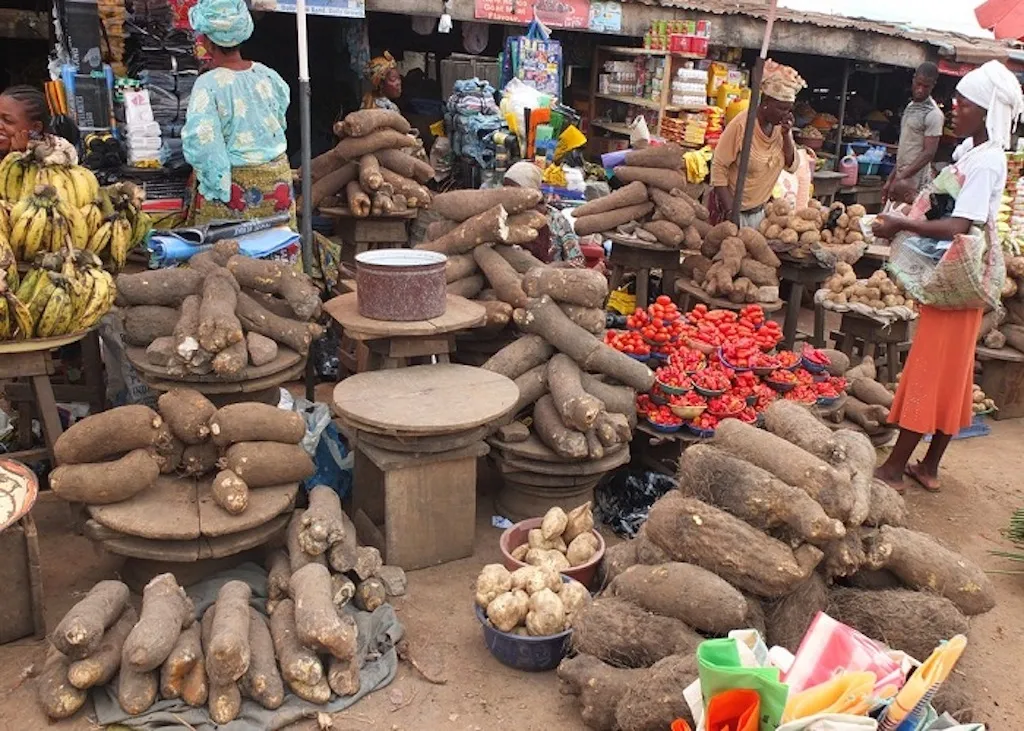
Nigeria food inflation rises to 12.12% in February 2026 as fuel and energy costs surge, worsening household cost of living

Nigerians are grappling with rising living costs as food inflation climbed to 12.12 percent in February 2026, up from 8.89 percent in January, according to data released by the National Bureau of Statistics (NBS).
Also read: Inflation: Real reason Indomie reduced Prices of Popular Staple Food item Revealed
The rise comes amid soaring petrol and energy prices, with fuel retail rates in Abuja reaching N1,330 per litre in some stations following multiple hikes by Dangote Refinery, which last week raised its gantry petrol price to N1,175 per litre.
This prompted a N100 per litre increase at MRS filling stations and N50 at Optima, while other stations including NNPC, Raniol, AA Rano, Empire Energy, and NIPCO charge between N1,261 and N1,330 per litre.
NBS attributed the food inflation spike to price increases in staples including beans, carrots, okazi leaf, cassava tuber, crayfish, millet flour, yam flour, snails, ogbono, and cowpeas.
While overall headline inflation fell slightly by 0.04 percentage points to 15.06 percent, experts warn that this offers little relief for households, as the cost of essential goods continues to rise.
Economic analyst Ayo Teriba described February’s food price surge as influenced by seasonal factors.
“After the holidays in January, economic activity picks up, and prices typically rise in February,” he said, adding that short-term volatility could either signal a new inflationary trend or normal seasonal fluctuations.
Professor of accounting and finance Godwin Oyedokun said the modest decline in headline inflation is largely statistical and provides minimal comfort.
“Food inflation is particularly concerning because it constitutes the largest share of household expenditure,” he explained, noting that rising prices directly erode purchasing power and deepen poverty.
Oyedokun highlighted structural challenges in agriculture, energy, and logistics as key drivers.
“High petrol and electricity costs increase production and transport expenses. Insecurity disrupts farming, while post-harvest losses and logistical issues constrain supply,” he said.
He described the situation as cost-push inflation, where rising production costs are passed on to consumers.
Oyedokun called for stronger policy actions, including improving agricultural security, investing in storage and transport infrastructure, and providing targeted energy and logistics support.
“The government must focus not only on inflation figures but also on household welfare, purchasing power, and food accessibility. Sustainable inflation control requires fiscal, monetary, and structural reforms,” he said.
Also read: Nigeria Inflation Eases to 15.06% in February 2026
With fuel and energy costs continuing to rise amid global geopolitical tensions, economists warn that ordinary Nigerians may face persistent hardship unless targeted interventions are implemented.




-
Politics3 years ago
13 Ondo Assembly Members Disown Endorsement of Aiyedatiwa
-
Politics3 years ago
APC Group, Ondo Govt, Quarrel Over Money for Endorsement
-

 Trending News5 years ago
Stop unsavoury, inciting statements – DSS warns
-

 Others5 years ago
Adron Homes Celebrates 10 Years Of Housing Excellence
-

 Humanity5 years ago
President Buhari Commiserates With Ambassador Maureen Tamuno Over The Loss Of Her Father
-

 Others7 years ago
EX- CUSTOMS BOSS, IBRAHIM MERA’S DWINDLING FAME
-

 Business2 years ago
Bigi Carbonated Soft Drinks Treats 40 Consumers to an Epic Easter Movie Hangout
-

 Business2 years ago
Wema Bank Shines at Global SME Finance Forum Conference Awards 2024 …Awarded: • SME Financier of the Year (Africa) • Platinum Award for Best Financier for Women Entrepreneurs (Africa)