
health
Nigeria Health Workers Recruitment gets Approval


Nigeria health workers recruitment gets approval as FG plans to hire 20,000 staff to strengthen hospitals and improve healthcare across the country

Nigeria health workers are set to receive a major boost as the Federal Government has approved the recruitment and deployment of more than 20,000 professionals across public hospitals in the country.
Also read: Nigerian Health System Collapsing, Experts Uncover $1bn Medical Tourism Crisis
Minister of Health and Social Welfare, Professor Ali Pate, made the announcement in Abuja during the launch of the Nigeria Strategic Directions for Nursing and Midwifery.
He explained that 60 per cent of those to be recruited will be nurses and midwives, who form the backbone of patient care in the nation’s hospitals.
Pate noted that the government’s decision forms part of a wider effort to close the gap between the number of available health workers and the growing demand for medical services.
“We are investing in our people because a strong health workforce is central to our nation’s well-being,” he said.
Under the ongoing Sector-Wide Approach (SWAP) reforms, the ministry has already retrained more than 69,000 frontline workers across all 36 states.
The minister added that President Bola Tinubu had granted waivers to fast-track the recruitment process, ensuring hospitals can quickly fill critical positions.
The newly launched five-year plan aims to strengthen training and education, improve career progression, expand leadership roles, and retain skilled professionals within Nigeria’s health system.
Chief of Staff to the President, Femi Gbajabiamila, who attended the event, described the policy as “a clear roadmap to elevate nursing and midwifery and strengthen Nigeria’s healthcare delivery.”
Permanent Secretary of the ministry, Daju Kachallom, highlighted the plan’s four key priorities: improving nursing education to meet global standards, ensuring fair compensation, empowering nurses to take on leadership roles, and promoting quality healthcare nationwide.
Registrar of the Nursing and Midwifery Council of Nigeria, Dr Ndagi Alhassan, revealed that the country now produces over 115,000 nurses annually, compared to just 23,000 in previous years.
However, he acknowledged that finding employment for many newly qualified professionals remains a challenge.
To address this, the government intends to collaborate with local communities to train and employ nurses who will serve in their hometowns — a move designed to curb unemployment and reduce migration abroad.
At the event, Professor Pate, Senator Banigo, and Rt. Hon. Femi Gbajabiamila were recognised as Ambassadors of the Nursing and Midwifery Profession for their contributions to the sector.
Also read: Nigerian Health Fraud Charges Spark Shocking $14bn Crackdown in United States
With this approval, Nigeria’s healthcare system takes a decisive step towards building a stronger, more sustainable workforce that can meet the needs of millions of citizens across the nation.



Anambra illegal health facilities face renewed scrutiny as the state seeks NMA support to identify unregistered clinics and protect patients from unsafe treatment
Anambra State Commissioner for Health, Dr Afam Obidike, has called on the Nigerian Medical Association (NMA) to help identify and shut down unregistered health facilities and curb the activities of unqualified practitioners in Anambra State, south-east Nigeria, on Sunday, 25 October 2026, as the government steps up efforts to protect patients from unsafe medical treatment.
Also read:Delta APC Warns Against Violence as 2027 Campaigns Near
Speaking at the closing ceremony of the 2026 Physicians’ Week and Scientific Conference of the NMA’s Awka Zone in Awka, Obidike described the association as an important partner in the state’s campaign to strengthen healthcare regulation and improve patient safety.
The commissioner said the government intended to work closely with medical professionals to identify individuals practising without appropriate qualifications and facilities operating outside established regulatory requirements.
“Anambra is going to work with the NMA because they will help us to identify people who are not medical personnel practising in Anambra,” he said.
“We are determined to shut all of them down because when people go there, they receive treatment that is not proper for their ailment.”
Obidike also urged prospective healthcare facility owners to consult the Department of Medical Services before establishing their operations.
He said applicants must obtain the relevant requirements, including specifications governing the design of their buildings, before proceeding.
The proposed collaboration comes amid existing enforcement efforts by the state government.
In June 2026, the Anambra State Ministry of Health sealed several private hospitals and medical laboratories over regulatory violations, including expired or unrenewed registrations, inadequate sanitation and the use of personnel without valid professional licences.
Anambra State Government reports said the inspections uncovered instances of unqualified individuals providing healthcare services, including a diagnostic centre where a person performing ultrasound examinations was reportedly a student without the necessary degree or professional qualifications.
The enforcement exercise demonstrated the practical risks that regulatory oversight is intended to address.
The state operates a registration and accreditation framework for healthcare facilities through its health facilities monitoring and accreditation authority.
Under the framework, operators are required to register their establishments and renew their operational approvals annually.
Compliance helps regulators assess whether facilities meet the required standards for providing medical services.
However, identifying unregistered facilities across the state and ensuring sustained compliance will require continued monitoring, effective public reporting and cooperation between regulators and recognised medical professionals.
The NMA’s involvement could strengthen the authorities’ ability to identify suspected cases of medical quackery, although the effectiveness of the initiative will depend on how consistently reports are investigated and regulatory decisions are enforced.
The appeal was made during a conference themed “Securing the Future of Medicine in Nigeria and Sub-Saharan Africa”, which combined professional discussions with activities focused on doctors’ welfare and recognition of service to the medical profession.
In his welcome address, Professor Tim-Uzoma Mbaeri, chairman of the NMA’s Awka Zone, said the annual event provided an opportunity for medical practitioners to reconnect, celebrate their profession and support colleagues facing health challenges.
Mbaeri said the association had visited sick colleagues and provided free laboratory investigations, including prostate-specific antigen testing and urinalysis, as part of its Physicians’ Week activities.
He described the programme as an opportunity to strengthen professional relationships and extend support beyond the clinical workplace.
“We find satisfaction not merely in the event we organised, but in the lives we have touched, the colleagues we have encouraged, the relationships we have strengthened and the visibility we have given to our profession,” Mbaeri said.
The programme also featured a novelty football match, offering participants an opportunity for recreation and closer engagement with colleagues from other institutions.
Three personalities received awards recognising their contributions to the medical profession and the association.
The recipients were Associate Professor Ifeoma Njelita, Dr Emmanuel Umenweke and lawyer Amaka Ezeno.
Njelita, a consultant in community medicine at Chukwuemeka Odumegwu Ojukwu University Teaching Hospital, was recognised for her contributions to medical practice and healthcare delivery.
Umenweke is a medical doctor at the Nnamdi Azikiwe University Medical Centre in Awka, while Ezeno is a lawyer, Notary Public and member of the Body of Benchers.
The awards provided a note of celebration at an event that also highlighted the challenges facing healthcare delivery and the importance of professional standards.
For Anambra, the government’s appeal to the NMA places renewed emphasis on a central public health concern: ensuring that people seeking treatment can distinguish legitimate healthcare providers from establishments operating without the required approvals.
The immediate priority will be to translate the proposed partnership into effective identification, inspection and enforcement measures while ensuring that compliant facilities can continue serving their communities.
Also read:Delta APC Warns Against Violence as 2027 Campaigns Near
Ultimately, sustained regulation, professional accountability and public awareness will be essential to protecting patients and building greater confidence in healthcare services across the state.
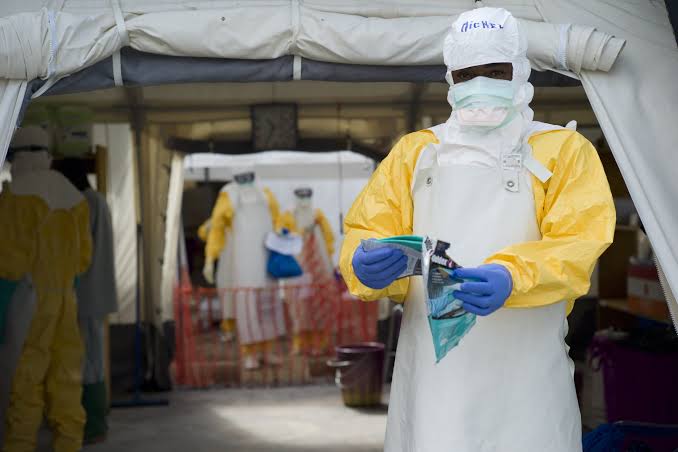
Yobe Ebola emergency response measures include enhanced surveillance, isolation facilities and contact tracing as officials reassure residents
The Yobe State Government has activated its public health emergency response system and intensified disease surveillance following Nigeria’s confirmation of an imported Ebola case, assuring residents that no infection has been recorded in the state.
Also read: FBI Seizes 53 Devices, Arrests Nine in Nigeria
The government announced the measures on Monday during a press briefing at the State Emergency Operations Centre in Damaturu, the state capital.
The Permanent Secretary of the Ministry of Health and Human Services, Hadiza Sabo, said the response followed the confirmation of Ebola Bundibugyo virus disease in Nigeria by the Nigeria Centre for Disease Control and Prevention (NCDC) on October 20, 2026.
The patient had travelled to Nigeria from Uganda and was initially isolated for treatment.
“The patient is currently in isolation and receiving care, while the NCDC has activated its national Incident Management System,” Sabo said, describing the situation and response measures at the time of the briefing.
She said 53 close contacts, including healthcare workers, patients, caregivers and travel-related contacts, had been identified as of October 24 and were being monitored.
She added that 46 exposed persons had been placed on a 21-day no-fly list as a precautionary measure.
Sabo said the state was strengthening its preparedness in response to the regional outbreak and the risks associated with international travel and cross-border movement.
She said Governor Mai Mala Buni had directed the activation of the Public Health Emergency Incident Management System and the development of a comprehensive emergency preparedness and response plan.
“In line with the national directive and NCDC guidelines, Governor Mai Mala Buni has directed the activation of the Public Health Emergency Incident Management System and the development of a comprehensive Emergency Preparedness and Response plan,” she said.
According to the permanent secretary, Yobe has activated emergency response teams, established isolation facilities and intensified contact tracing as part of efforts to detect and contain any potential spread of the virus.
She said the state’s preparedness activities were organised around six technical pillars recommended by the NCDC.
The State Emergency Operations Centre has been placed on high alert, while coordination meetings have been held to strengthen collaboration with the NCDC, the World Health Organisation and UNICEF.
Surveillance has also been intensified across Yobe’s 17 local government areas. Disease Surveillance and Notification Officers have been directed to investigate and verify reports and alerts promptly.
Sabo said the state had strengthened contact-tracing arrangements to ensure that identified contacts were monitored for 21 days.
She added that designated isolation and treatment facilities across the state’s three senatorial zones had been equipped with medicines and personal protective equipment.
Frontline health workers had also received additional training in infection prevention and control, safe sample collection and the clinical management of suspected cases.
The permanent secretary urged residents to practise good hygiene, including regular handwashing with soap and water or using alcohol-based hand sanitisers.
She advised the public to avoid direct contact with the blood and bodily fluids of sick people and to refrain from traditional burial practices involving direct contact with corpses.
Sabo also warned against spreading unverified information and urged residents to rely on official updates from the state Ministry of Health and the NCDC.
She cautioned against stigmatising people identified as contacts, explaining that being listed as a contact did not mean that an individual had contracted the virus.
“Yobe State has no case of Ebola, but our Incident Management System is fully active and operational to protect the people of the state,” she said.
The state’s preparedness measures come as Nigeria continues to monitor the situation following the imported case.
On October 26, the World Health Organisation’s Regional Director for Africa said Nigeria had no active Ebola cases after the patient and her husband were medically evacuated to Switzerland.
Health authorities, however, continued to monitor other identified contacts and maintain vigilance.
Also read: FBI Seizes 53 Devices, Arrests Nine in Nigeria
The Bundibugyo virus is a type of Ebola virus that can cause severe illness. Public health authorities have emphasised early detection, contact tracing, infection prevention and cross-border coordination as essential measures for limiting transmission.

Hidden heart disease in Nigeria is drawing concern as Dr Chinelo Chioma Madekwe urges earlier screening and better care for infection-related heart complications
Dr Chinelo Chioma Madekwe, a Nigerian physician and internal medicine resident at SUNY Upstate Medical University in Syracuse, New York, has urged Nigeria to strengthen the detection and treatment of heart disease linked to infectious illnesses, warning that complications associated with malaria, HIV, tuberculosis and other infections may remain unnoticed until patients develop serious cardiac problems.
Also read:Natasha Hosts European Ambassadors on Kogi Investment Tour
In an article published on 26 October 2026, Dr Madekwe called for closer cooperation between infectious disease specialists and cardiologists, wider access to appropriate heart investigations and a national registry to help Nigeria understand the scale of the problem.
The appeal brings renewed attention to an often overlooked aspect of public health: surviving an infection does not always mean escaping its consequences.
For some patients, the illness that initially appeared manageable can be followed by damage to the heart muscle, its valves or the protective sac surrounding the organ.
“Nigeria’s infections are quietly breaking Nigerian hearts,” Dr Madekwe wrote, capturing the central concern behind her call for a more coordinated approach to treatment.
Nigeria’s substantial infectious disease burden makes the issue particularly important. The World Health Organization’s World Malaria Report 2024 estimated that the country recorded approximately 68.1 million malaria cases in 2023, accounting for about 26 per cent of the global total.
The figures underline the scale of the challenge facing a health system already working to address a growing range of cardiovascular conditions.
Evidence also suggests that malaria can affect more than the blood and brain. A systematic review published in 2021 examined 43 studies of cardiovascular complications among people with symptomatic malaria.
Among adults included in the clinical studies, the researchers estimated that 7 per cent experienced a cardiovascular complication, although the findings varied across studies and populations.
Reported complications included myocarditis, which is inflammation of the heart muscle, and acute coronary syndromes.
The researchers cautioned that further investigation was needed to clarify the frequency and mechanisms of these complications.
The findings do not mean that every malaria infection causes heart damage. They do, however, support closer clinical attention when patients with severe malaria develop symptoms or signs suggesting cardiovascular involvement.
HIV presents another important dimension of the problem. Although antiretroviral treatment has substantially improved the prospects of people living with HIV, cardiovascular health remains an important part of long-term care.
A study involving 200 adults attending the HIV clinic at Jos University Teaching Hospital in north-central Nigeria found that 84 participants, or 42 per cent, had cardiac abnormalities identified through clinical assessment and echocardiography.
Most participants were receiving antiretroviral treatment.
The researchers identified abnormalities including impaired heart-muscle function, changes in the heart’s filling capacity and pericardial disease.
The study was hospital-based and cannot establish the prevalence of cardiac disease among all Nigerians living with HIV, but it illustrates why symptoms affecting the heart deserve attention alongside routine infection management.
Tuberculosis can also reach the heart, particularly the pericardium, the thin sac surrounding the organ. Inflammation and fluid accumulation can interfere with normal cardiac function, while prolonged disease may lead to constriction that prevents the heart from filling properly.
The Investigation of the Management of Pericarditis in Africa registry, which included patients treated in Nigeria, Cameroon and South Africa, enrolled 185 people with tuberculous pericarditis in 2004.
Forty per cent had clinical features of HIV infection, highlighting the overlap between two major infectious diseases in the region.
Although the registry reflects an earlier period and should not be treated as a measure of present-day prevalence, its findings remain relevant to understanding the clinical complexity of tuberculosis-related heart disease.
The COVID-19 pandemic offered a more recent reminder that infections can affect several organs at once.
A preliminary report examining 10 patients with COVID-19 and cardiac complications across three centres in Lagos documented new-onset heart failure in six patients.
Other reported presentations included myocarditis, probable pulmonary embolism and stress cardiomyopathy.
The small study was not designed to measure how frequently these complications occur among all people with COVID-19.
Its findings nevertheless demonstrated the range of cardiac problems that can accompany a serious viral illness, including in patients without extensive pneumonia.
Another preventable condition begins with a seemingly ordinary childhood illness. Rheumatic heart disease develops when the body’s immune response to a group A streptococcal infection damages the heart valves, often following untreated or inadequately treated strep throat.
The World Health Organization identifies rheumatic heart disease as a major cause of avoidable illness and disability, particularly in low- and middle-income countries.
Prompt diagnosis and appropriate antibiotic treatment of confirmed streptococcal infections can help prevent acute rheumatic fever and its potentially lasting effects on the heart.
For children who develop established valve damage, however, treatment can become considerably more complex. Some patients require long-term medical supervision or specialist procedures, placing additional pressure on families and already stretched health services.
These conditions illustrate why infection-related heart disease should not be viewed in isolation from Nigeria’s wider cardiovascular challenges.
Hypertension, diabetes and other non-communicable conditions are also contributing to the demand for cardiac care, making it essential to build services capable of addressing both infectious and chronic causes of illness.
The availability of specialists remains a significant concern. The Nigerian Cardiac Society has been cited in recent reporting as estimating that about 400 cardiologists serve a population exceeding 220 million people.
The uneven distribution of specialists, limited diagnostic capacity and the cost of treatment can make timely assessment difficult for patients outside major urban centres.
For households paying directly for healthcare, the financial consequences can be particularly severe when a condition is detected only after it has progressed.
Patients may require repeated consultations, investigations, prolonged medication or surgery, depending on the nature and severity of the damage.
Dr Madekwe’s proposed response centres on bringing the relevant services closer together.
She advocates considering electrocardiography and, where clinically indicated and available, echocardiography for patients with severe malaria, advanced HIV or tuberculosis when cardiac involvement is suspected.
An electrocardiogram records the heart’s electrical activity, while an echocardiogram uses ultrasound to assess its structure and function.
Neither investigation is necessary for every uncomplicated infection, and decisions should be guided by clinical assessment, available resources and established medical protocols.
The physician also argues that HIV services should pay greater attention to cardiovascular health, rather than concentrating exclusively on viral suppression.
Better coordination between HIV clinics, general medical services and cardiology teams could help identify patients who need further assessment before complications become advanced.
Training is another priority. Dr Madekwe wants Nigerian teaching hospitals to develop programmes that connect infectious disease medicine with cardiovascular care, drawing on collaboration with specialists and researchers in the diaspora.
Her own professional journey gives the proposal a personal dimension. Raised in Abuja, Dr Madekwe pursued medical education in Vinnytsia, Ukraine, before Russia’s full-scale invasion disrupted her studies and forced her to leave the country with other international students.
Returning to Nigeria created an unexpected interruption to the path she had planned. The experience also shaped her perspective on the gaps in care facing patients whose infectious illnesses later develop into serious cardiac problems.
She subsequently continued her medical training in the United States, where her research has focused on the cardiovascular effects of infectious diseases, including malaria, HIV and COVID-19.
Her work has also examined sex-based differences in cardiovascular outcomes.
The combination of clinical training and research has informed her argument that Nigeria needs a more deliberate way of identifying, recording and treating infection-related cardiac complications.
A national registry, she argues, would help policymakers and researchers establish the scale of the problem, identify gaps in care and determine where limited resources could have the greatest impact.
Such a registry would require clear diagnostic criteria, reliable reporting from hospitals and sufficient investment in data collection.
Screening programmes would also need to be designed carefully so that additional testing reaches patients most likely to benefit without placing unnecessary demands on facilities that already face shortages.
The wider policy challenge is therefore one of implementation as much as awareness.
Early detection can improve the chances of timely treatment, but it must be supported by affordable investigations, access to appropriate medicines, referral pathways and specialist care when necessary.
For patients and families, the message is equally practical. Persistent or worsening breathlessness, unexplained swelling of the legs, chest discomfort, fainting or a racing heartbeat following an illness should prompt medical assessment.
Such symptoms can have several causes, and their presence does not automatically mean that an infection has damaged the heart.
Severe breathlessness, chest pain or collapse requires urgent medical attention.
People recovering from malaria, tuberculosis, COVID-19 or other infections should follow their clinicians’ advice and seek reassessment if concerning symptoms develop.
Nigeria has made important gains in the prevention and treatment of infectious diseases, but the consequences of illness can extend beyond the initial infection.
Recognising that connection offers an opportunity to strengthen existing services rather than create an entirely separate system of care.
Dr Madekwe’s central argument is that protecting patients must include attention to the health of the heart, both during serious infections and in the months that follow.
Turning that principle into practice will require stronger evidence, coordinated medical teams and sustained investment in accessible healthcare.
Also read:Natasha Hosts European Ambassadors on Kogi Investment Tour
The task is demanding, but the potential benefit is clear: fewer patients reaching hospitals only after preventable cardiac damage has become difficult and costly to treat.
-
Politics3 years ago
13 Ondo Assembly Members Disown Endorsement of Aiyedatiwa
-
Politics3 years ago
APC Group, Ondo Govt, Quarrel Over Money for Endorsement
-

 Trending News5 years ago
Stop unsavoury, inciting statements – DSS warns
-

 Others5 years ago
Adron Homes Celebrates 10 Years Of Housing Excellence
-

 Humanity5 years ago
President Buhari Commiserates With Ambassador Maureen Tamuno Over The Loss Of Her Father
-

 Others7 years ago
EX- CUSTOMS BOSS, IBRAHIM MERA’S DWINDLING FAME
-

 Business3 years ago
Bigi Carbonated Soft Drinks Treats 40 Consumers to an Epic Easter Movie Hangout
-

 Business2 years ago
Wema Bank Shines at Global SME Finance Forum Conference Awards 2024 …Awarded: • SME Financier of the Year (Africa) • Platinum Award for Best Financier for Women Entrepreneurs (Africa)