
Business
NICCI Hosts Powerful Nigeria–Indonesia Economic Forum


Nigeria Indonesia trade finance forum NICCI meeting explores innovative banking models, SME funding, and stronger bilateral economic cooperation

The Nigerian Indonesian Chamber of Commerce and Industry (NICCI) on Tuesday hosted its April 2026 bi-monthly meeting at the Nigerian Institute of International Affairs (NIIA) in Victoria Island, Lagos, bringing together policymakers, investors, financial institutions, and diplomatic representatives to deepen discussions on sustainable economic growth and innovative financial systems.
Also read: NACC Gathers Power Brokers for 2026 Economic Forecast, Honours Odugbemi
The purpose of the meeting was focused on strengthening bilateral trade relations between both countries through improved access to capital, expanded support for small and medium-sized enterprises (SMEs), and the adoption of more inclusive banking models.
The event featured presentations from leading institutions including The Alternative Bank, Flutterwave, Sewa Capital, Tyro Group, NEXIM Bank, BGL Capital, and the Embassy of Indonesia, each outlining strategies for unlocking investment opportunities and improving financial infrastructure across emerging markets.
Opening the session, NICCI Trade Mission Chairman, Mr. Adesina Osinoiki, stressed the importance of sustained collaboration between Nigeria and Indonesia, noting that innovation in finance remains critical to unlocking long-term economic value and strengthening cross-border partnerships.
NICCI President, Mr. Ishmael Balogun, in his address, described financing as a strategic development tool rather than a purely transactional mechanism, calling for a shift towards market-driven models that prioritise productivity and inclusive growth.
Indonesia’s Ambassador to Nigeria, His Excellency Bambang Suharto, highlighted the role of MSMEs in Indonesia’s economic transformation, noting their contribution to more than 60 per cent of GDP.
He also emphasised the importance of digital financial systems and cross-border payment integration in expanding trade between both nations.
Financial sector stakeholders used the platform to advocate for more adaptive financing structures capable of addressing persistent capital access gaps affecting SMEs.
The Alternative Bank highlighted ethical, asset-backed financing models, while Flutterwave showcased its cross-border payment infrastructure designed to simplify transactions across multiple global markets.
Sewa Capital emphasised the need for tailored capital solutions across different business growth stages, while NEXIM Bank reaffirmed its mandate to support non-oil exports through financing, guarantees, and advisory services.
Tyro Group focused on mobilising patient capital for industrial growth, particularly in manufacturing and energy sectors, while BGL Capital presented frameworks aimed at scaling Nigeria–Indonesia trade, which it said had risen significantly in recent years.
Panel discussions further explored fintech innovation, sustainable lending, regulatory alignment, and risk management, with participants calling for stronger collaboration between the public and private sectors to de-risk investments and improve access to structured financing.
The event also witnessed the induction of new NICCI members and the formal introduction of 10 standing committees, reinforcing the Chamber’s governance structure and expanding its cross-sector engagement network.
Also read: Polaris Bank Hosts Global Trade Forum to Boost Non-oil Sector
The meeting concluded with a call for coordinated action among stakeholders to build a more resilient financial ecosystem capable of supporting long-term bilateral trade growth between Nigeria and Indonesia.


Business
Can African Engineers Compete Globally? ChipMango Is Creating Opportunities in the semiconductor Industry

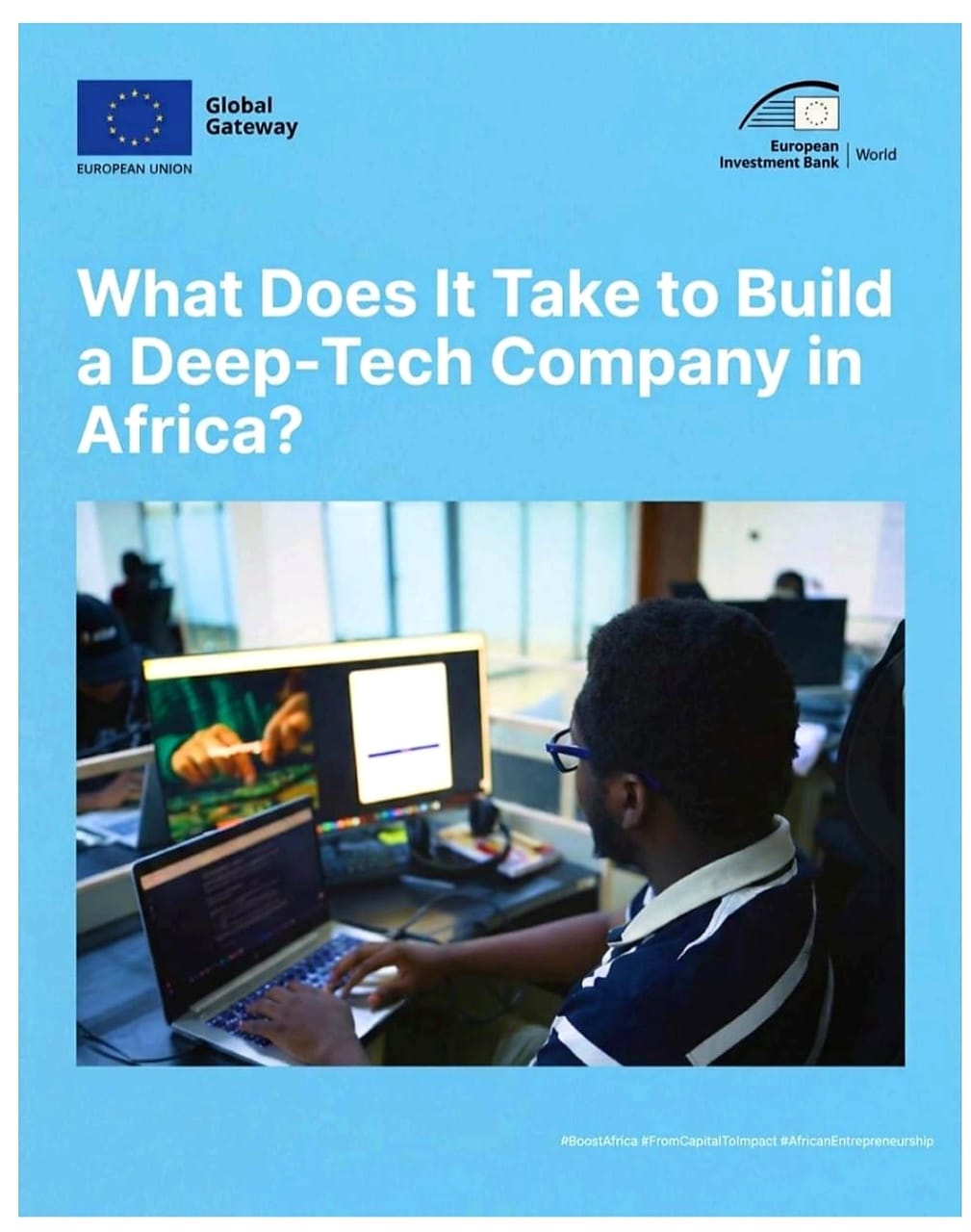
The semiconductor industry requires highly specialised engineering knowledge.
For African engineers, gaining access to professional tools, industry experience and international opportunities can open
important doors.
ChipMango is working at the intersection of talent development and commercial engineering, creating pathways for African expertise to contribute to a global industry.
The growth of businesses like ChipMango also highlights the importance of investment in Africa’s innovation ecosystem. Through Boost Africa, a joint initiative of the EIB and African Development Bank, supported by the European Union, the European Investment Bank helps mobilise financing through venture capital funds for innovative African businesses. Watch the video to hear the story behind ChipMango.
Watch the video:
Business
From Classroom to Industry: How ChipMango Is Preparing African Engineers for the Semiconductor Market
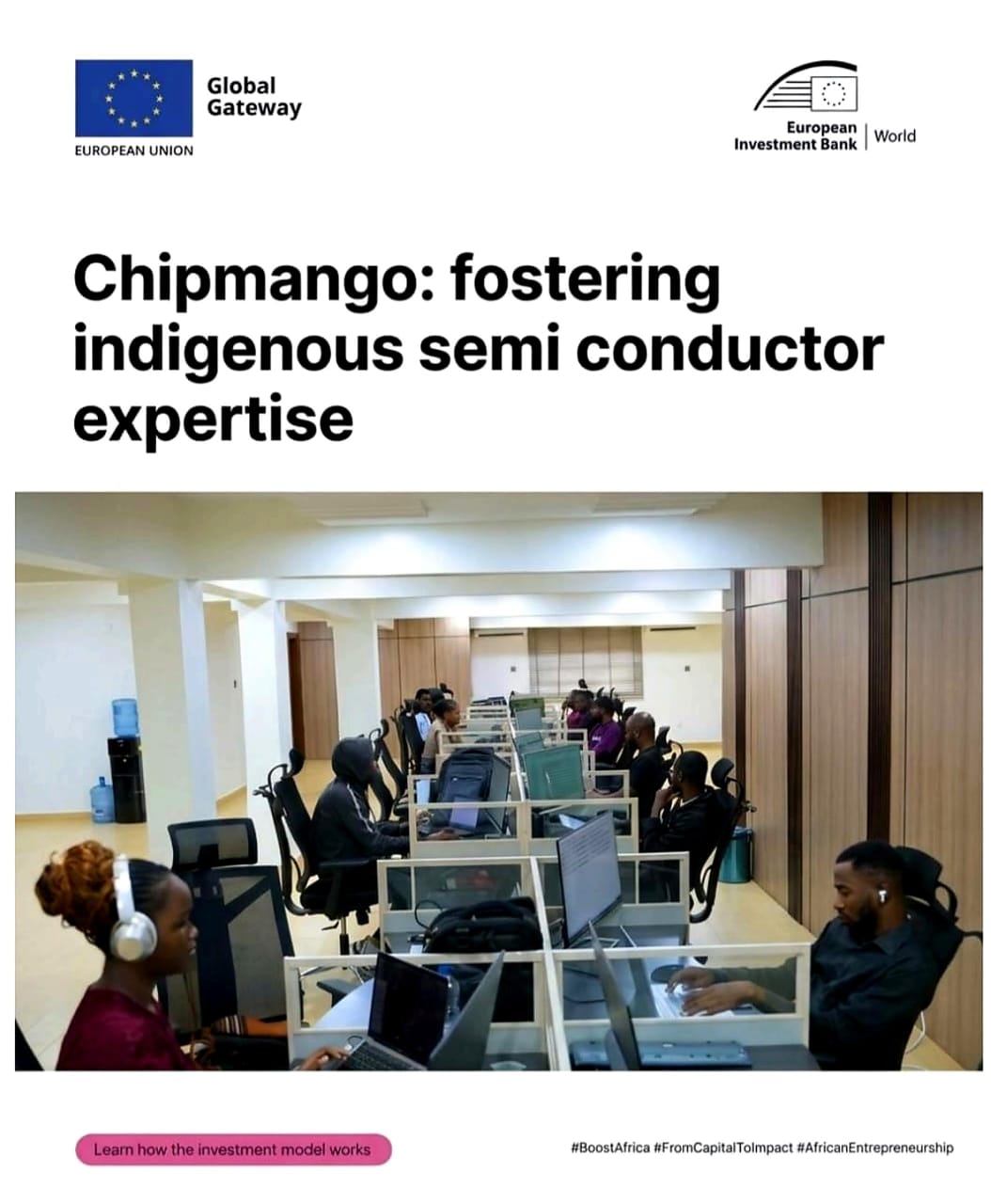
Studying engineering is one thing. Having the opportunity to apply that knowledge to real industry projects is another.
ChipMango connects industry-aligned learning with practical semiconductor design and verification work, giving
engineers a pathway to develop skills relevant to commercial projects.
Its work illustrates why investment in African innovation must also consider the talent, technical expertise and infrastructure required to build competitive businesses.
Through Boost Africa, the European Investment Bank (EIB) supports African entrepreneurship by investing through venture capital funds, helping innovative businesses access the capital and support they need to develop and grow.
Watch the video to learn more about ChipMango’s approach.
Watch the video:

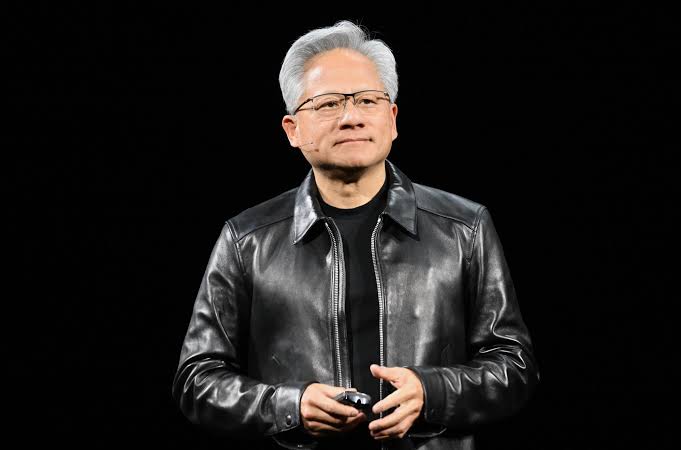
Jensen Huang resigns as NVIDIA CEO after 33 years, with CFO Colette Kress appointed interim chief as the board searches for a successor
-
Politics3 years ago
13 Ondo Assembly Members Disown Endorsement of Aiyedatiwa
-
Politics3 years ago
APC Group, Ondo Govt, Quarrel Over Money for Endorsement
-

 Trending News6 years ago
Stop unsavoury, inciting statements – DSS warns
-

 Others5 years ago
Adron Homes Celebrates 10 Years Of Housing Excellence
-

 Humanity5 years ago
President Buhari Commiserates With Ambassador Maureen Tamuno Over The Loss Of Her Father
-

 Others7 years ago
EX- CUSTOMS BOSS, IBRAHIM MERA’S DWINDLING FAME
-

 Business3 years ago
Bigi Carbonated Soft Drinks Treats 40 Consumers to an Epic Easter Movie Hangout
-

 Business2 years ago
Wema Bank Shines at Global SME Finance Forum Conference Awards 2024 …Awarded: • SME Financier of the Year (Africa) • Platinum Award for Best Financier for Women Entrepreneurs (Africa)