
Education
When Nigerian Children Conquered the World

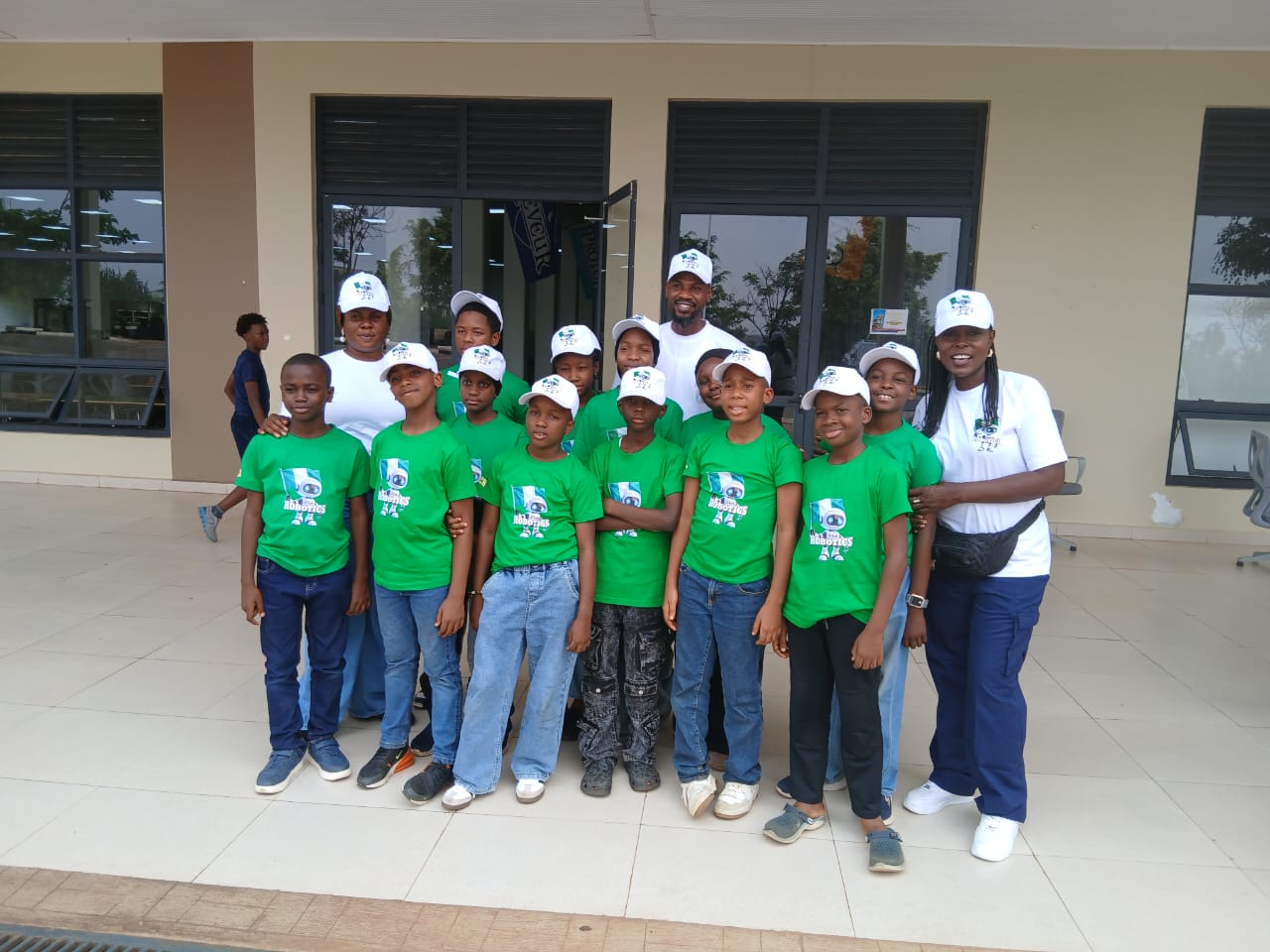
The Hillside School, Abuja, emerged overall winner at the Pan-African Innovation Bootcamp and Robotics Competition after outshining teams from 11 countries

They left Nigeria unnoticed. Their triumphant return attracted neither celebrations nor headlines. In an era and in a country where bandits and kidnappers have stolen media limelight and appropriated government attention, only a few people would be surprised that this actually happened.
Also read: Governor Dauda Lawal Urges Nigerians in Diaspora to Return Home and Invest amid stability in Economy
Yet, that does not erase the absurdity of reveling in vanity, including a-must-win dirty politicking, in ignorance of the huge intellectual achievements of a generation we often labelled as leaders of tomorrow.
This is the story of young Nigerians who recently demonstrated that there is still something to hope for in Nigeria.
They beat the super powers, humbled those who underrated them, and conquered the world of innovations.
Beginning 2025, regional competitions were held across the country, to select the best schools—both public and private—that would represent the different regions in a national competition to decide who would eventually represent Nigeria in a global robotic event.
The contest was tagged: First Lego League Competition. Lego League is a global brand in robotic engineering contest targeted at young minds in private and public schools—primary and secondary. It also attracts participation by budding robotic organisations.
Organised globally by Coderina Educational Technology, it is a science-based creativity competition aimed at fostering unity and collaboration among teams from different countries, and empowering young innovative minds.
The idea behind the competition, which attracted eleven countries across the world, was to develop skills needed in the evolving techno-driven 21st century where machines are fast replacing human efforts, by making kids more innovative in their thinking and action.
In February this year, 45 groups—comprising private and public schools, and independent robotic groups—assembled in Abuja for the final competition to select schools and private techno groups that would represent Nigeria.
The National Robotics Competition which held at the National Stadium in Abuja exhibited undiluted competitive spirit by young minds.
Each of the participating schools and organisations had to think on their feet and execute innovations with speed and efficiency.
The Abuja competition was a replica of what was expected at the global level. Candidates were expected to engineer robots and cause them to perform specific functions, while the judges assessed how efficient such robots accomplished pre-determined tasks within a time limit.
Finally, after two days of cerebral fireworks, five groups emerged at the top.
They comprised three schools and two private robotic organisations. Among the schools were The Hillside School from Abuja, Evergreen School from Enugu, and Preston School from Akure, Ondo State.
The three schools and two privately-owned robotic groups later received letters from the international organisers, Coderina Edtech, for participation in the contest labelled: Pan-African Innovation Boot Camp and Robotics Competition scheduled for Rwanda between July 1 and July 12, 2026.
Each of the groups from Nigeria—tagged Teams A, B, C, D, E—had no idea what awaited them or who they would be up against in Rwanda. All they did was to prepare and hope that even if they do not emerge the winners, they won’t come last.
What frightened them most was lack of sponsorship. Even at the regional and national levels, while public schools were sponsored by the ministry of education in different states, participants from private schools were self-funded.
One of the schools, The Hillside School, Abuja, had three staff members who prepared the students for the international events—Grace Simie Ejeh (Chaperone), Olusegun Samson and Ijeoma Nwizu (Coaches).
Samson recalls: “Our team took preparation for the competition very serious.
The students were drilled and actively involved in every of the processes; from robot design to innovation project, and programming of the robot.
“We guided them to make researches and document them. As coaches, we simply used our wealth of experience and expertise to bring out the creativity in the children who are mostly primary school pupils.
“Their confidence rose as well as their mastery of the needed skills. We were meeting twice every week from March and Monday to Friday of every week in June.
“There were days when it was as if we were wasting our time. Sometimes, the robot would suddenly malfunction. We would start the mission all over again. At times, the robot attachments would suddenly become unsuitable for the robot mission we created it for.”


Other schools and groups, perhaps, went through the same tasking and frustrating processes. All of them believed, like Niccolo Machiavelli, in his 1513 classic, The Prince, that the end would justify the means.
The trip to Kigali, the Rwandan capital, began for the Nigerian teams on July 1st, 2026. Rwanda Air took off from Murtala Mohammed Airport at 3.30pm and touched down at Kigali at 9.30pm.
As recalled by one of the teachers, upon their arrival in the land of many mountains, beautiful, clean and well-organized city of Kigali, Rwanda, “we received a warm and heartfelt welcome from our host—Coderina Edtech Coordinators.”
This marked the beginning of what would become an unforgettable experience filled with learning, discovery and inspiration—an experience that lasted 12 days.
For the days that followed, the candidates were treated to varieties of activities. They had opportunities to exhibit their creative acumen in designing and building robotic cars—transforming classroom knowledge into hands-on experience.
For some individuals among them, it was their first time of assembling and programming a robot from the scratch, making the experience both challenging and rewarding.
This excitement reflected the joy of learning through innovation and teamwork.
For the first three days, the children interacted, shared ideas, intermingled intellectually, and created an atmosphere of lasting friendship among themselves.
They participated in workshops on Artificial Intelligence, during which they explored the teachable machines that could be trained to recognize and respond to data.
In the robotics classes, they were introduced to a software used in programming robots and the various components required to build the mechanisms capable of solving real-life problems.
Robotics and AI training for the children was far more than just learning how to code. It was about nurturing curiosity, creativity, critical thinking and collaboration.
The young minds had incredible and exciting experiences as they worked in teams made up of different schools and nationals, giving them the opportunity to build new friendships and the value for teamwork.
Outside the academic environment where their brains were tasked with extra-mundane creativity, the children were taken on a visit to the Kigali Genocide Memorial Centre—a place where even the stone-hearted would likely shed tears.
Entry into the museum was restricted to children aged 13 and above.
Before a tour of the Centre, they had a 10-minute orientation to prepare them emotionally on what to expect.
This was followed by a 15-minute documentary featuring powerful and touching testimonies of the survivors of the 1994 Genocide by the Hutu extremists against the Tutsis.
Here was a deeply emotional and sobering experience—one that words could hardly describe.
The museum was like a castle of historical photographs, personal stories, and touching tributes—a collection that vividly portray the horrors of genocide and the resilience of the Rwandan people.
One of the most heartbreaking moments was when they saw the mass burial site, where the remains of over 250,000 victims were laid to rest.
The experience became even more personal when it was learnt that one of the coordinators had both her parents buried there.
As demanded at such occasions, they observed a-minute-silence in honour of all the victims and, as guided by the memorial staff, laid flowers at the burial site as a mark of respect and remembrance.
The trip from the Centre back to Kigali was almost in silence as each of the 13 years and above children from 11 countries reflected on what they had just experienced.
As a relief from the heart-wrenching experience, the young people were driven to the Kigali Heights—home to one of the city’s largest and most prestigious shopping malls.
All the tours and the fun did not distract the school boys and girls from the reason they went to Rwanda. The hour was getting close.
However, they needed to showcase the richness of their heritage through music, dance and cultural displays before creating robots.
Representatives from different teams assembled from the different countries delivered spectacular performances.
From energetic traditional dances to captivating poetry recitations, each team proudly presented unique aspects of their culture, leaving the audience entertained and inspired.
The Hillside School located, which formed one of the five teams from Nigeria, proudly represented their country with beautifully choreographed cultural dances that celebrated the nation’s three major ethnic groups: Hausa, Igbo and Yoruba.
Their performance was outstanding, reflecting excellent coordination, confidence, creativity and vibrancy.
As the youngest team participating in the creativity fiesta, they received enthusiastic applause and admiration from the audience for their remarkable presentation.
Just before the final day when the competition took place, the school children were driven in a convoy of buses to the Rwanda National Police Headquarters.
They were received by the Assistant Commissioner of Police—an equivalent of Nigeria’s Assistant Inspector General of Commissioner.
Few minutes later, the Commissioner of Police arrived quietly, without a convoy or elaborate entourage.
He addressed the children, before they went to watch a documentary the structure, operations and the technological innovations of the Rwanda National Police.
Then came the eleventh day, set aside for the Robotic Competition. Nigeria’s High Commissioner to Rwanda, Ambassador Ibrahim Zanna, showed up. He was not disappointed.
The Nigerian Team had five groups. Other countries had their own groups also.
The teams keenly contested on the Board first in three rounds and later moved to the studios to complete the competition with their innovative projects.
The result was announced at about 9 pm after long deliberations by the judges.
Aside from Nigeria, participants also came from the United States of America, Ghana, Cameroon, Burundi, Rwanda, Burkina Faso, Haiti, France, Ethiopia, and Belgium.
At the end, The Hillside School from Nigeria was declared the overall winner of the events—the Pan-African Innovation Bootcamp and Robotics Competition. It was the first of its kind.
The Hillside School team was said to have embraced the core values, robot performance, robot design, and innovation project which placed it at the top of the pack.
The school was declared overall first among all the participating countries and all the teams from each of the countries.
They topped the table in two of the three categories: innovative project, robot design, and board game where it came second.
Founded in 2004, by an educationist, Mrs. Nnenna Umeh, the school comprises nursery, primary, and secondary schools accommodated in a cozy environment in Gwarinpa, Abuja.
The shool’s delegation to the competition comprised three teachers, two secondary students and 10 pupils from the primary school.
Its soft-spoken, media-shy proprietress, Mrs. Umeh, attributed their success at the competition to innovation, teamwork, creativity, absolute trust in God, determination, and commitment on the part of the participants, the coaches and the chaperon.
Also read: How Nigerians Can Apply for FG’s C.L.I.C.K.D. Loan for Laptops, Phones
In silence, the world is waiting for government’s response to this victory that has stamped Nigeria’s name on a global map of young robotic engineering and scientific creativity. I hope we won’t have to wait for too long.


Nigerian universities global rankings could improve from 2027, Peter Okebukola says, citing research citations, competition and new assessment criteria
Nigerian universities could achieve record-breaking performances in global rankings from 2027, according to the Chairman of the Nigerian Tertiary Education and Research Analysis Committee, Emeritus Professor Peter Okebukola, who cited increased institutional competition, growing research citations and a new national ranking framework.
Also read: Tinubu: Strong Corporate Governance Must Go Beyond Compliance to Secure Institutional Future
Okebukola made the projection at a meeting of NiTERAC and directors of academic planning on Wednesday, October 21, 2026, according to a statement issued on Thursday.
He attributed the anticipated gains partly to the Federal Government’s efforts to strengthen how tertiary institutions are assessed, including a mandatory national ranking exercise introduced by the Minister of Education, Dr Tunji Alausa, on September 1, 2026.
According to Okebukola, the exercise is encouraging federal, state and private universities to publicise their achievements in teaching, research and community service.
He said the initiative had intensified competition among institutions, including those that had previously done little to showcase their performance.
“This mandatory directory has caused mass mobilisation of tertiary institutions in the country to gear up for the 2026 national ranking exercise,” he said.
The NiTERAC chairman also pointed to the growing participation of Nigerian academics on Google Scholar and other citation-tracking platforms as a potential driver of improved international visibility.
He said increased participation had expanded the country’s available citation data, which could contribute to stronger performances in international university rankings from 2027.
Research output and citations feature directly or indirectly in several global ranking systems, although the extent to which they affect an institution’s position varies by ranking provider and methodology.
Okebukola identified the design of the 22 indicators for the 2026 national rankings as another important factor.
He said the indicators drew on four leading international ranking systems, exposing Nigerian institutions to performance measures used globally.
He added that the national ranking exercise had reached the 12th stage of a 17-step process, while assessments of polytechnics and colleges of education were also progressing.
The committee expects to complete the rankings for all categories by December 15, 2026. Okebukola said the results would be published after the Minister of Education approves NiTERAC’s recommendations.
Beyond the 2026 exercise, the committee plans to introduce thematic rankings from 2027, with a stronger emphasis on how tertiary institutions contribute to Nigeria’s development priorities.
The proposed approach would assess not only conventional academic performance but also the practical application of knowledge, graduate capabilities and innovations that address real-world challenges.
Okebukola said the indicators could include innovations developed within the preceding two years, such as patents secured, new products created and processes introduced to tackle national development problems.
He linked the proposal to calls for graduates who can apply their knowledge competently and ethically to create value for society.
He cited United Nigeria Airlines Chairman, Professor Obiora Okonkwo, who made a similar argument during the 14th convocation lecture of Afe Babalola University in Ado-Ekiti.
According to Okebukola, the proposed thematic rankings could also offer a model for other African countries pursuing the African Union’s Agenda 2063, the continent’s long-term development framework.
The initiative comes amid continuing pressure on Nigerian universities to improve research productivity, international visibility, graduate employability and their contribution to economic and social development.
However, the projected improvement in global rankings remains an expectation rather than a confirmed outcome.
Also read: Tinubu: Strong Corporate Governance Must Go Beyond Compliance to Secure Institutional Future
Actual performance will depend on universities’ results and the methodologies applied by international ranking organisations.


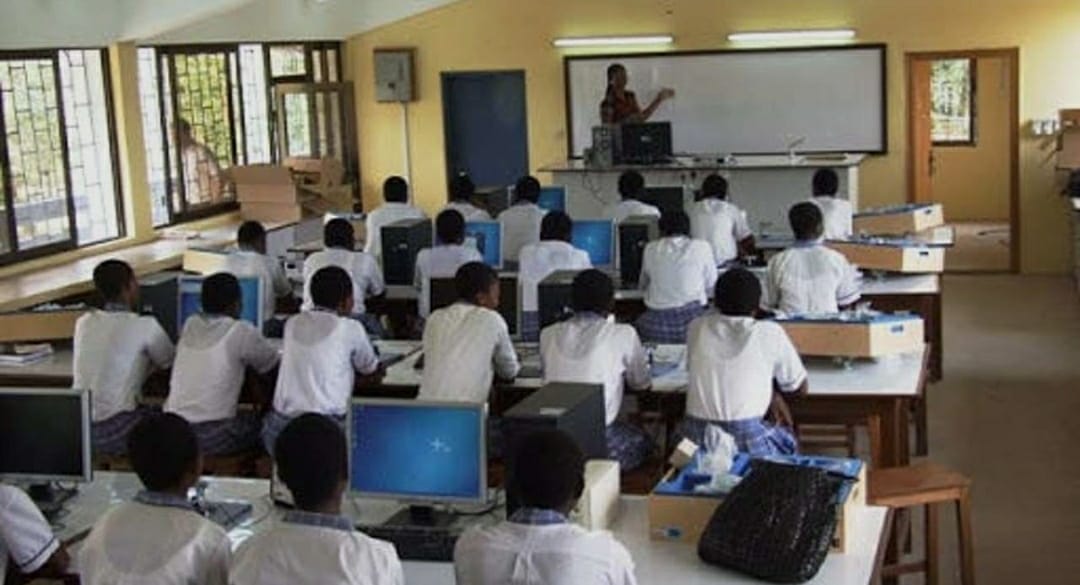
Five thousand Nigerian public-school teachers have completed the latest cycle of the MTN-SAIL Teachers Fellowship with new approaches to teaching, digital skills and, for the first time in the programme, formal training in artificial intelligence-assisted teaching.
But as the teachers return to their classrooms, the more significant question is what those new skills will mean for the pupils they teach.
The second cohort of the fellowship was trained in Inquiry-Based Learning, learner-centred teaching approaches, digital pedagogy and emerging technologies. From the 5,000 teachers who participated in the first phase, 500 were selected for a more intensive three-month training programme and graduated in September.
The programme is designed to move teaching beyond the conventional transmission of information, encouraging pupils to ask questions, investigate problems, think critically and use technology as part of the learning process.
For the organisers, however, the training is only the beginning.
Co-founder of SAIL Empowerment Foundation, Feyisola Abiru, said the fellowship was built around the belief that the teacher remains the critical link between education policy and the child in the classroom.
“When SAIL started this Fellowship in 2022, we began from a simple observation. Between every education policy and every Nigerian child stands one person: the teacher,” Abiru said at the graduation of the latest cohort.
She said the current cohort was deliberately made up entirely of public-school teachers because the public education system serves the majority of Nigerian children.
The latest programme also introduced artificial intelligence-assisted teaching to the curriculum, with Microsoft contributing the AI component through the MTN Foundation. The training focused on responsible use of AI rather than simply introducing teachers to the technology.
That development is significant as schools increasingly confront the opportunities and challenges created by digital technology.
Yet exposure to technology does not automatically translate into better learning.
A teacher may complete a digital-skills programme without subsequently integrating those tools into lessons. Equally, a pupil may have access to an online learning platform without having a teacher capable of using digital resources effectively in the classroom.
That makes the period after training particularly important.
The organisers have encouraged the graduating teachers to apply what they learned in their classrooms, share their knowledge with colleagues and remain connected through the SAIL alumni network.
SAIL has also indicated plans for a “Where Are You Now?” campaign to reconnect with former fellows. Such follow-up could provide a clearer picture of how many teachers continue to use digital and AI-assisted tools, how frequently those tools appear in lessons and whether the training is influencing classroom engagement.
The scale of the programme has expanded considerably since its earlier editions.
In 2024, THISDAY reported that 4,000 educators graduated from an earlier SAIL Teachers Fellowship programme after more than 6,000 teachers underwent virtual training and 400 selected participants received intensive mentorship.
SAIL now says the fellowship has trained more than 10,000 Nigerian public-school teachers across the 36 states and the Federal Capital Territory since 2022. The figure is broader than the MTN Foundation’s reported 8,704 teachers impacted by the MTN-backed programme from 2024 to date, reflecting different reporting periods and programme framing.
The latest intervention also comes as the country tackles another major barrier to digital education: the cost of connectivity.
The Nigerian Communications Commission recently launched its Zero-Rated Data Access to Educational Platforms and Content initiative, under which participating mobile operators provide eligible users with up to 100MB of free daily data for access to approved educational platforms.
The allowance amounts to about 3GB a month, or up to 36.5GB a year, for educational content. The NCC said the initiative is intended to widen access to digital learning and reduce the cost barrier facing learners.
The two interventions therefore address complementary parts of the digital-learning challenge.
One seeks to equip teachers with the skills to use technology more effectively. The other seeks to make it easier for learners to reach approved digital educational resources.
For Nigeria’s public schools, bringing those two elements together could help close a gap that training or connectivity alone cannot resolve.
But the evidence of impact will ultimately have to move beyond the number of teachers trained.
SAIL estimates that if each of the 5,000 teachers in the current cohort reaches an average of 80 pupils in a year, the potential indirect reach could be about 400,000 children.
That is a projection of possible reach, not a verified count of pupils whose learning outcomes have already improved.
The distinction matters.
The 5,000 teachers demonstrate the scale of participation. The 500 who completed the intensive second stage demonstrate progression within the programme. What remains to be established is how many of them translate the training into sustained changes in classroom practice.
That could mean more inquiry-based lessons, greater use of digital learning resources, responsible application of AI, stronger pupil participation or teachers sharing new methods with colleagues.
Three outstanding graduates were recognised for their commitment and classroom application of the training and received laptops and laptop bags from the SAIL Empowerment Foundation.
Those individual examples offer a glimpse of what the programme hopes to achieve. The larger test, however, will be whether such classroom changes continue beyond the graduation ceremony and spread across the schools where the teachers work.
For the teachers, the fellowship may end with a certificate.
For their pupils, that is where the real work begins
-
Politics3 years ago
13 Ondo Assembly Members Disown Endorsement of Aiyedatiwa
-
Politics3 years ago
APC Group, Ondo Govt, Quarrel Over Money for Endorsement
-

 Trending News5 years ago
Stop unsavoury, inciting statements – DSS warns
-

 Others5 years ago
Adron Homes Celebrates 10 Years Of Housing Excellence
-

 Humanity5 years ago
President Buhari Commiserates With Ambassador Maureen Tamuno Over The Loss Of Her Father
-

 Others7 years ago
EX- CUSTOMS BOSS, IBRAHIM MERA’S DWINDLING FAME
-

 Business2 years ago
Bigi Carbonated Soft Drinks Treats 40 Consumers to an Epic Easter Movie Hangout
-

 Business2 years ago
Wema Bank Shines at Global SME Finance Forum Conference Awards 2024 …Awarded: • SME Financier of the Year (Africa) • Platinum Award for Best Financier for Women Entrepreneurs (Africa)