
News
Bolawole Questions Nigeria’s Democratic Future

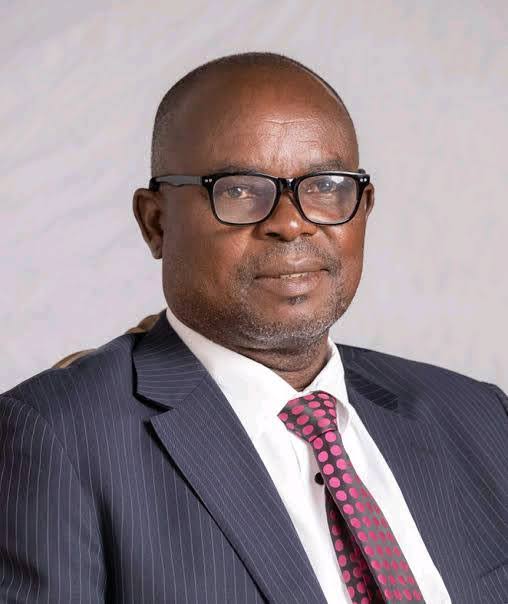
Bola Bolawole questions Nigeria’s democratic future, citing poverty, illiteracy, corruption and political rivalry as obstacles to credible elections

Veteran journalist and former PUNCH editor, Bola Bolawole, has questioned whether democracy will ever flourish in Nigeria, arguing that widespread poverty, illiteracy, corruption and political rivalry remain major obstacles to credible elections.
Also read: Abdul El-Sayed Wins Historic US Senate Victory
In his column published on the back page of the New Telegraph on Wednesday, November 4, 2026, Bolawole expressed doubts about the credibility of the 2027 general elections, warning that the exercise could cost the country more than ₦1tn without delivering meaningful democratic progress.
He noted that the Independent National Electoral Commission (INEC) had requested nearly ₦874bn to conduct the elections, while several security agencies, government departments, political parties and election monitoring organisations would also incur substantial expenses.
Bolawole questioned the value of spending such amounts on elections that, in his view, often leave the country more divided, with allegations of electoral malpractice, vote-buying and institutional bias.
He also criticised the legal disputes that typically follow elections, arguing that election tribunals could become opportunities for wealthy lawyers and compromised judges to benefit from political disagreements.
The columnist said repeated weaknesses in INEC’s processes and procedures often provide grounds for losing parties to challenge declared results, making it difficult for elections to resolve political contests conclusively.
He argued that adopting technology, including electronic transmission of results and other electoral innovations, might not be enough to address the country’s underlying problems.
Reflecting on Nigeria’s political history, Bolawole said the country had missed a significant opportunity to establish credible democratic practices following the annulment of the June 12, 1993 presidential election.
He compared Nigeria’s electoral development with that of Britain, arguing that countries such as the United Kingdom expanded voting rights gradually through reforms involving property, education, age and gender qualifications.
Citing the Representation of the People Act 1918 and the Equal Franchise Act 1928, he said Britain extended voting rights in stages before achieving universal adult suffrage.
By contrast, he argued that Nigeria adopted universal adult suffrage from Independence in 1960 without adequately preparing its institutions and citizens for the responsibilities of democratic participation.
Bolawole advocated educational, age and property qualifications for voting, arguing that such requirements could encourage greater investment in education and prevent what he described as the emergence of unqualified leaders.
He also proposed that only taxpayers should be allowed to vote, claiming that citizens who contribute economically to the country would have a stronger stake in its governance.
According to him, poverty creates conditions in which vote-buying thrives, making economically vulnerable citizens easier targets for politicians seeking electoral advantage.
The former editor further examined the early political history of the United States, highlighting how its first president, George Washington, served without belonging to a political party and warned against the emergence of political factions.
He listed Washington’s successors, including John Adams, Thomas Jefferson, James Madison and James Monroe, and questioned whether Nigeria’s founding leaders could have avoided destructive political rivalries by adopting a similar approach.
Bolawole suggested that leaders such as Abubakar Tafawa Balewa, Nnamdi Azikiwe, Obafemi Awolowo, Anthony Enahoro, Joseph Tarka and Aminu Kano might have taken turns in leadership, potentially reducing the political tensions that contributed to the crisis of the First Republic.
He linked the rivalry among Nigeria’s early political leaders to the Wild, Wild West crisis and the military coup of January 15, 1966, which ended the First Republic less than six years after Independence.
He also argued that Nigeria’s political elite had failed to build the kind of shared political interests and consensus that he said helped leaders in Singapore stabilise their country after its separation from Malaysia in 1965.
Concluding, Bolawole maintained that credible elections would remain difficult to achieve until Nigeria addressed illiteracy and poverty, rebuilt its declining middle class and developed a political elite committed to national stability.
Also read: Abdul El-Sayed Wins Historic US Senate Victory
He warned that without these fundamental changes, expectations of democratic renewal would continue to be misplaced.


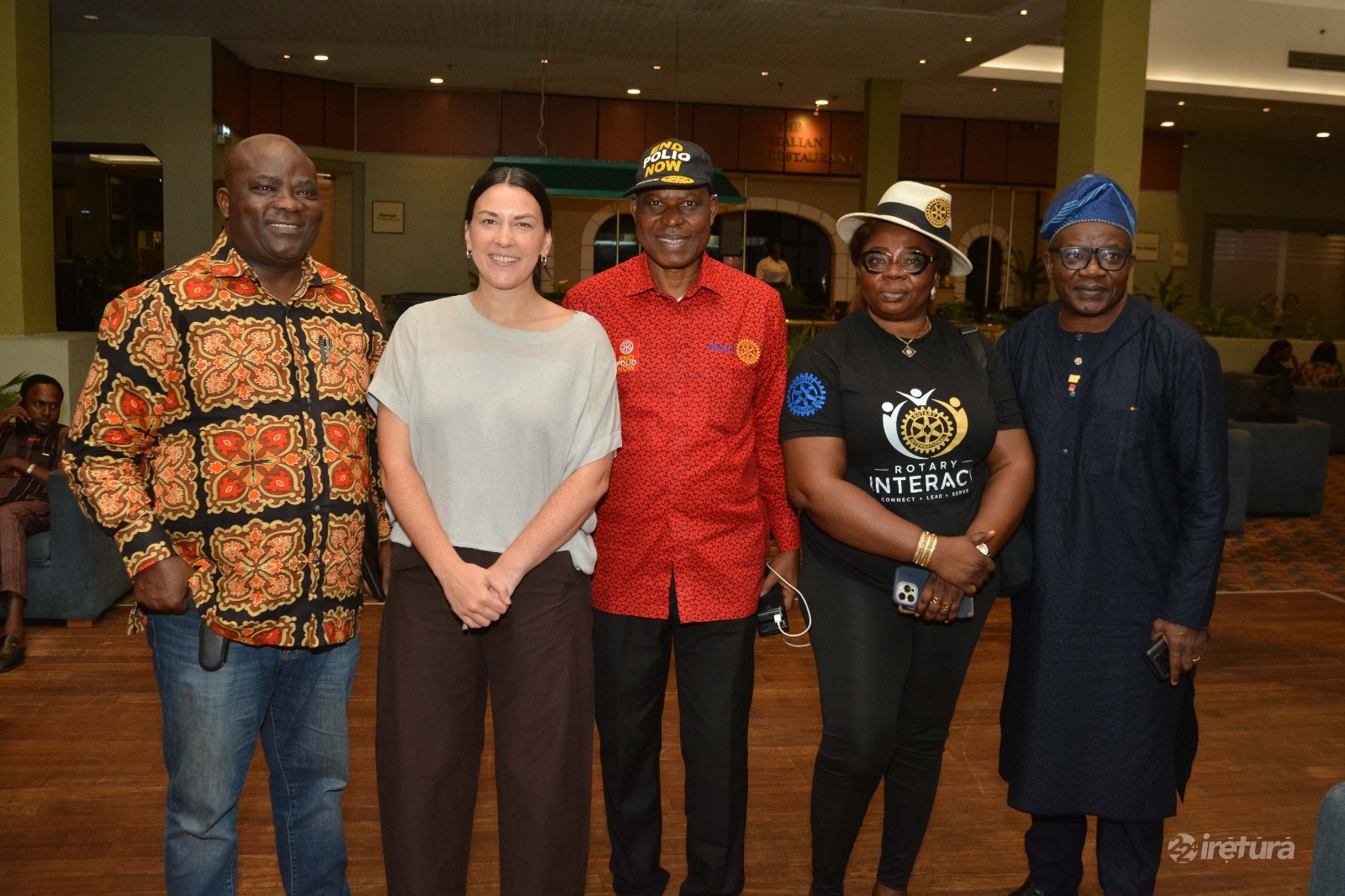
Lea Perekrests arrives in Lagos ahead of the Rotary Peace Summit, urging inclusive governance and community action to build lasting peace
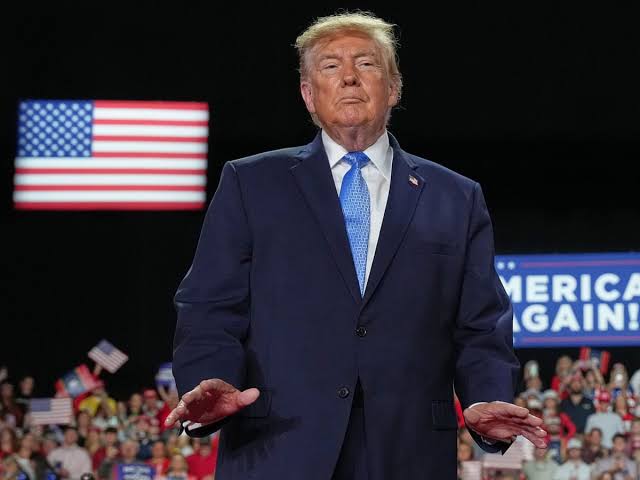
Trump reacts angrily as Democrats make major gains in the US midterms, taking control of both chambers of Congress and threatening his agenda
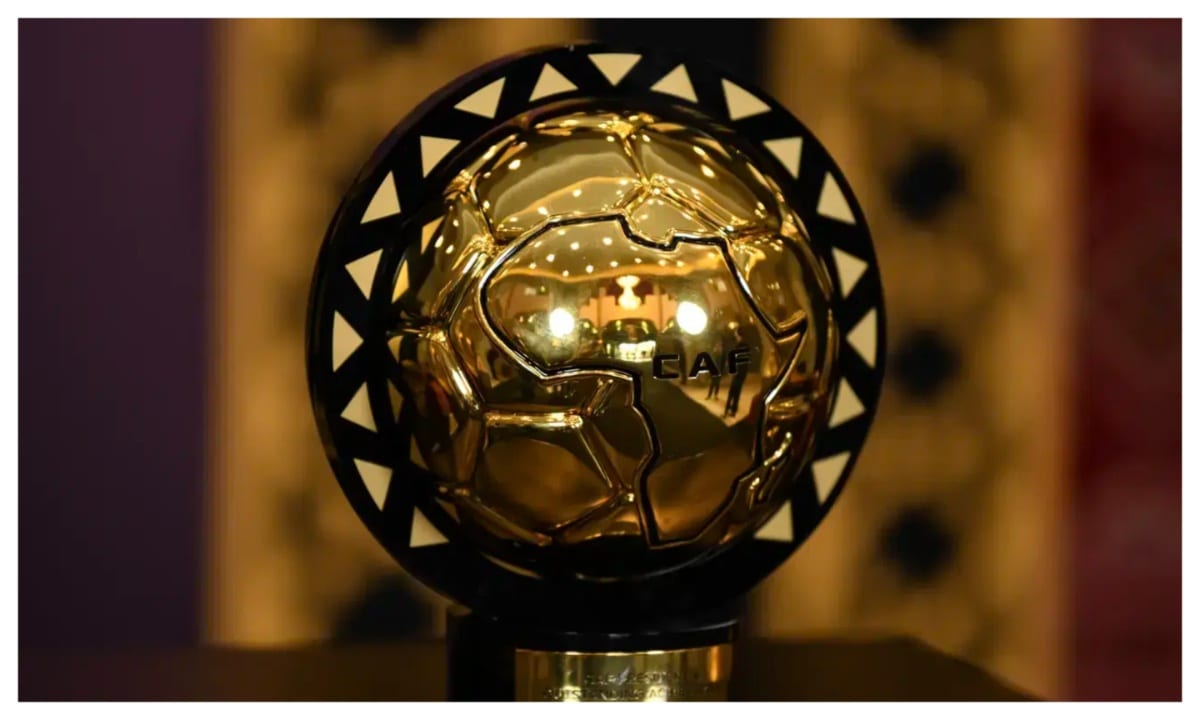
CAF unveils prestigious 2026 Player of the Year nominees including Sadio Mané, Achraf Hakimi and Amad Diallo, with the awards ceremony set for Lagos
-
Politics3 years ago
13 Ondo Assembly Members Disown Endorsement of Aiyedatiwa
-
Politics3 years ago
APC Group, Ondo Govt, Quarrel Over Money for Endorsement
-

 Trending News6 years ago
Stop unsavoury, inciting statements – DSS warns
-

 Others5 years ago
Adron Homes Celebrates 10 Years Of Housing Excellence
-

 Humanity5 years ago
President Buhari Commiserates With Ambassador Maureen Tamuno Over The Loss Of Her Father
-

 Others7 years ago
EX- CUSTOMS BOSS, IBRAHIM MERA’S DWINDLING FAME
-

 Business3 years ago
Bigi Carbonated Soft Drinks Treats 40 Consumers to an Epic Easter Movie Hangout
-

 Business2 years ago
Wema Bank Shines at Global SME Finance Forum Conference Awards 2024 …Awarded: • SME Financier of the Year (Africa) • Platinum Award for Best Financier for Women Entrepreneurs (Africa)