Economy
NNPC Limited Seeks Foreign Investment Drive to Power Africa’s Energy Access Revolution


NNPC Limited urges global investors at ADIPEC 2025 to partner with Africa in eradicating energy poverty and shaping a sustainable energy future

NNPC Limited has urged global investors to form strategic partnerships that will help eradicate energy poverty and unlock Africa’s vast energy potential.
Also read: Andy Odeh NNPCL Appointment Heralds Fresh Corporate Vision
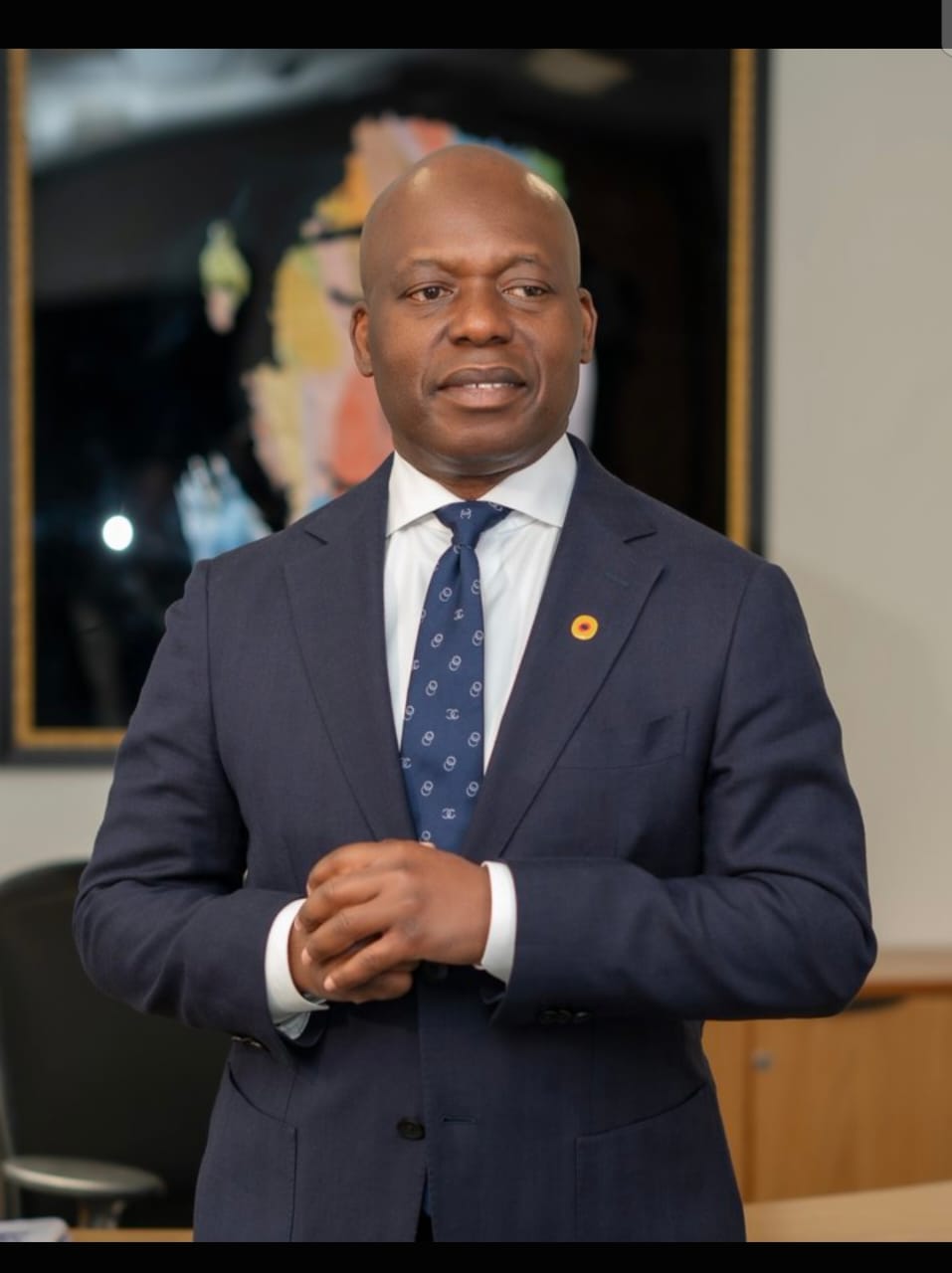
Speaking at ADIPEC 2025 in Abu Dhabi, the Group Chief Executive Officer, Engr. Bashir Bayo Ojulari, called for urgent and pragmatic collaboration to reshape the continent’s energy landscape.
During the “Energy Talk” session moderated by Pulitzer Prize-winning energy author Daniel Yergin, NNPC Limited’s chief emphasised Nigeria’s pivotal role in driving Africa’s energy independence.
He described NNPC as the continent’s central energy force, committed to transforming Nigeria from a resource-extractive economy into a diversified investment hub.
“Africa’s energy future must be built on pragmatism, partnerships, and purpose,” Ojulari said. “At NNPC Limited, we are not just participating in the energy transition we are shaping it from an African perspective.
Our focus is pragmatic: grow production, monetise gas, deepen partnerships, and deliver value to Nigerians and global partners alike.”
Under the Renewed Hope Agenda of President Bola Tinubu, NNPC Limited has increased Nigeria’s crude oil production to 1.7 million barrels per day, with ambitions to reach 2 million by 2027 and 3 million in the long term.
Ojulari explained that these gains were made possible through redefined relationships with international oil companies and local independents, removing long-standing barriers to progress.
He reaffirmed the company’s goal of attracting between $30 billion and $60 billion in new energy investments by 2030, supported by fresh government incentives beyond the Petroleum Industry Act.
These include targeted measures for deep-water exploration, dry gas development, and cost optimisation.
Ojulari also highlighted flagship projects such as the near-completion of the Ajaokuta-Kaduna-Kano (AKK) gas pipeline, the Obiafu-Obrikom-Oben (OB3) line, and Nigeria’s growing autogas infrastructure under the Presidential CNG Initiative — all aimed at expanding access to cleaner, affordable energy.
Echoing the words of Dr. Sultan Ahmed Al Jaber, UAE Minister of Industry and ADNOC CEO, who urged “pragmatic, not performative” energy action, Ojulari stressed that NNPC Limited’s vision aligns with global efforts to secure sustainable energy futures.
“Our message to the world is clear: Nigeria is open for business, and NNPC Limited is fit for the future. We invite the world to co-invest in Africa’s energy transformation,” he declared.
Also read: Tinubu inaugurates NNPCL board, management
NNPC Limited’s participation at ADIPEC 2025 themed “Energy. Intelligence. Impact.” reinforces its evolution into a commercially driven, globally competitive energy company that is not only powering Nigeria but shaping Africa’s energy destiny.


Economy
Governor Dauda Lawal woos investors, highlights Zamfara’s economic opportunities at CEO Forum
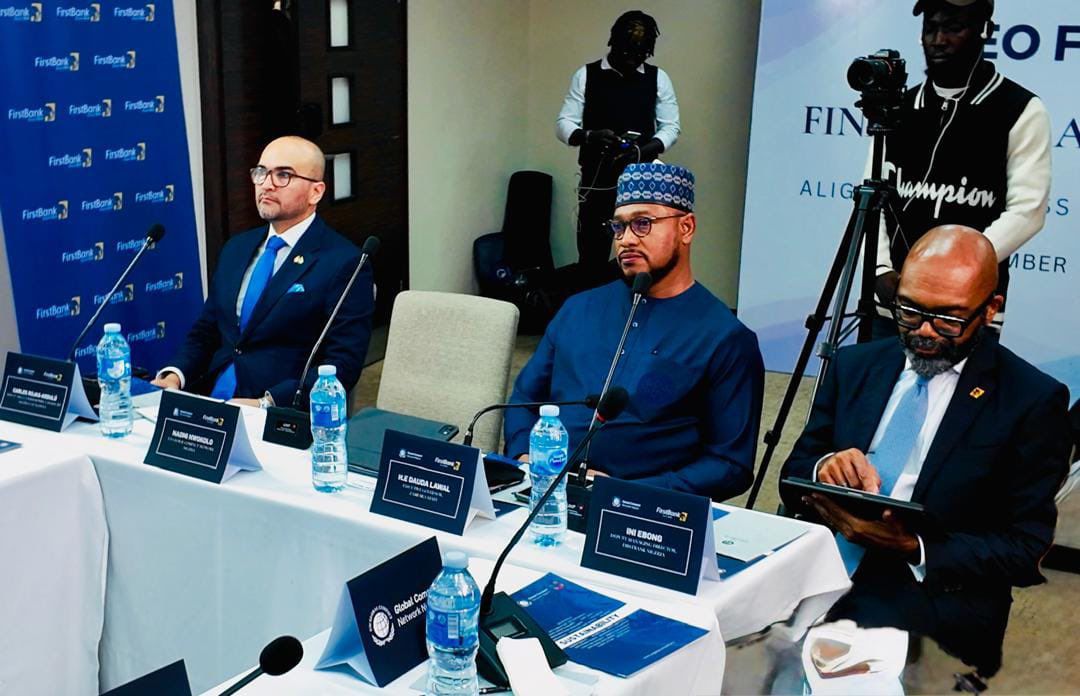
Zamfara State Governor, Dauda Lawal, has called for stronger collaboration between government, businesses and investors to unlock private capital and drive inclusive economic growth in the state.
Lawal made the call while delivering a Special Policy Address at the 2026 CEO Forum organised by the Global Compact Network Nigeria in Lagos.
The forum, held under the theme “Financing a Dignified Future: Aligning Business Action, Policy and Capital,” brought together chief executives, senior government officials, industry leaders, diplomats, trade commissioners and international development partners.
Participants were drawn from key sectors of the economy, including oil and gas, energy, manufacturing, construction and infrastructure.
The governor spoke on the growing competition among states for increasingly selective private capital and the factors that could transform an economic opportunity into an investable proposition.
He explained how his administration was working to bridge the gap between available economic opportunities and investment, with emphasis on building investor confidence while ensuring that investments deliver meaningful outcomes for the people of Zamfara.
According to him, attracting investment requires more than identifying economic opportunities, but also creating the conditions, policies and partnerships capable of giving investors confidence to commit capital.
The forum provided a platform for business leaders, government officials and investors to examine ways of aligning business strategies, public policies and capital deployment to unlock productive investment.
Discussions also focused on identifying businesses, sectors and projects with strong potential but facing difficulties in accessing financing, as well as measures to make such opportunities more attractive to investors.
The organisers also introduced the concept of the “Dignity Dividend,” examining how investment-led growth could translate into better jobs, stronger businesses, increased productivity, local value creation and broader economic participation.
Another key component of the forum was the identification of actionable commitments and partnerships that participating institutions could advance over the next six to 12 months.
Notable speakers at the event included chief executives of First Bank Group, Access Bank, Flour Mills of Nigeria Plc, Nigeria Economic Summit Group, Nigerian Exchange Group, Chellarams Plc, SecureID Group and Greenwich Merchant Bank Plc, among others.
The organisers said the session would culminate in a live showcase of the Business Value and Sustainability Platform (BVSP), described as a standing coalition of business, capital and policy actors designed to sustain the dialogue.
The platform is also expected to contribute to shaping Nigeria’s private-sector engagement during the United Nations General Assembly High-Level Week.
The governor’s participation in the forum comes as Zamfara seeks to strengthen its economic base, attract productive investment and create opportunities that can support sustainable livelihoods and wider participation in the state’s economy.
-
Politics3 years ago
13 Ondo Assembly Members Disown Endorsement of Aiyedatiwa
-
Politics3 years ago
APC Group, Ondo Govt, Quarrel Over Money for Endorsement
-

 Trending News5 years ago
Stop unsavoury, inciting statements – DSS warns
-

 Others5 years ago
Adron Homes Celebrates 10 Years Of Housing Excellence
-

 Humanity5 years ago
President Buhari Commiserates With Ambassador Maureen Tamuno Over The Loss Of Her Father
-

 Others7 years ago
EX- CUSTOMS BOSS, IBRAHIM MERA’S DWINDLING FAME
-

 Business2 years ago
Bigi Carbonated Soft Drinks Treats 40 Consumers to an Epic Easter Movie Hangout
-

 Business2 years ago
Wema Bank Shines at Global SME Finance Forum Conference Awards 2024 …Awarded: • SME Financier of the Year (Africa) • Platinum Award for Best Financier for Women Entrepreneurs (Africa)