
Economy
Obasa Praises Nigeria-China Strategic Partnership at 76th


Speaker Obasa celebrates Nigeria-China Strategic Partnership at China’s 76th anniversary, highlighting trade, defence, and infrastructure cooperation

Nigeria-China Strategic Partnership was in sharp focus as the Speaker of the Lagos State House of Assembly, Rt. Hon. Dr. Mudashiru Ajayi Obasa, joined dignitaries to celebrate the 76th anniversary of the founding of the People’s Republic of China.
Also read: Lagos Investment Destination Gains Global Attention as Obasa Hosts Chinese Delegation
Held at the Grand Ballroom of the Oriental Hotel in Victoria Island, Lagos, on Monday, September 22, the vibrant event welcomed members of the diplomatic corps, government representatives, private sector leaders, and members of the Chinese community in Nigeria.
Delivering a keynote address titled ‘Nigeria-China Comprehensive Strategic Partnership’, Speaker Obasa offered warm congratulations to the Chinese government and people.
He raised a toast to the evolving relationship between the two nations, both of which celebrate their independence on October 1st.
Tracing bilateral ties back to 1971, Obasa applauded the strong foundation of mutual respect that has defined Nigeria-China relations over the decades.
He noted that, despite global challenges, cooperation has remained fruitful and trust between both countries has deepened.
Citing a recent statement by Chinese Consul General Yan Yuqing, Obasa highlighted that bilateral trade between Nigeria and China reached $15.48 billion between January and July 2025.
He also mentioned the renewal of a 15 billion Yuan ($2 billion) currency swap agreement, a key move to enhance trade by reducing reliance on the US dollar.
He further referenced the strengthening of military ties, particularly in local arms production and training, pointing to growing Chinese support for Nigeria’s security sector.
These developments, Obasa said, stem from the resolutions made during President Tinubu’s State Visit to China in September 2024, and the FOCAC Summit in Beijing, which upgraded relations to a Comprehensive Strategic Partnership.
“Both Presidents agreed that Nigeria and China, as major developing nations, are entering a new era of partnership based on strategic trust and support for shared interests,” Obasa said.
He commended China’s alignment with President Tinubu’s Renewed Hope Agenda, which focuses on economic recovery, national unity, and improved welfare for Nigerians.
Obasa also gave special mention to China’s investments in Lagos, noting the transformative impact on roads, bridges, and rail infrastructure.
“Our economic landscape has been significantly enriched through these vital projects,” he remarked.
Obasa called for continuous cooperation on global issues such as climate change and economic inequality, expressing optimism about a future of shared prosperity.
In her welcome remarks, Consul General Yan Yuqing echoed Obasa’s sentiments.
She described Nigeria as China’s second-largest trading partner in Africa, noting that cooperation across sectors like infrastructure, energy, education, and culture has been fruitful.
She urged the Chinese community in Nigeria to continue serving as cultural and developmental bridges between both nations.
“Guided by mutual respect and benefit, our all-round cooperation is yielding tangible results for our people,” Yuqing affirmed.
Also read: Renewed Hope Agenda Driving Positive Change in Nigeria — Obasa
As the evening closed with cultural performances and diplomatic camaraderie, the event reinforced the enduring strength and expanding scope of the Nigeria-China strategic partnership— a relationship poised to flourish in the years ahead.


Atiku petrol subsidy plans have reignited Nigeria’s 2027 debate as the ADC candidate promises relief while the Presidency demands clarity
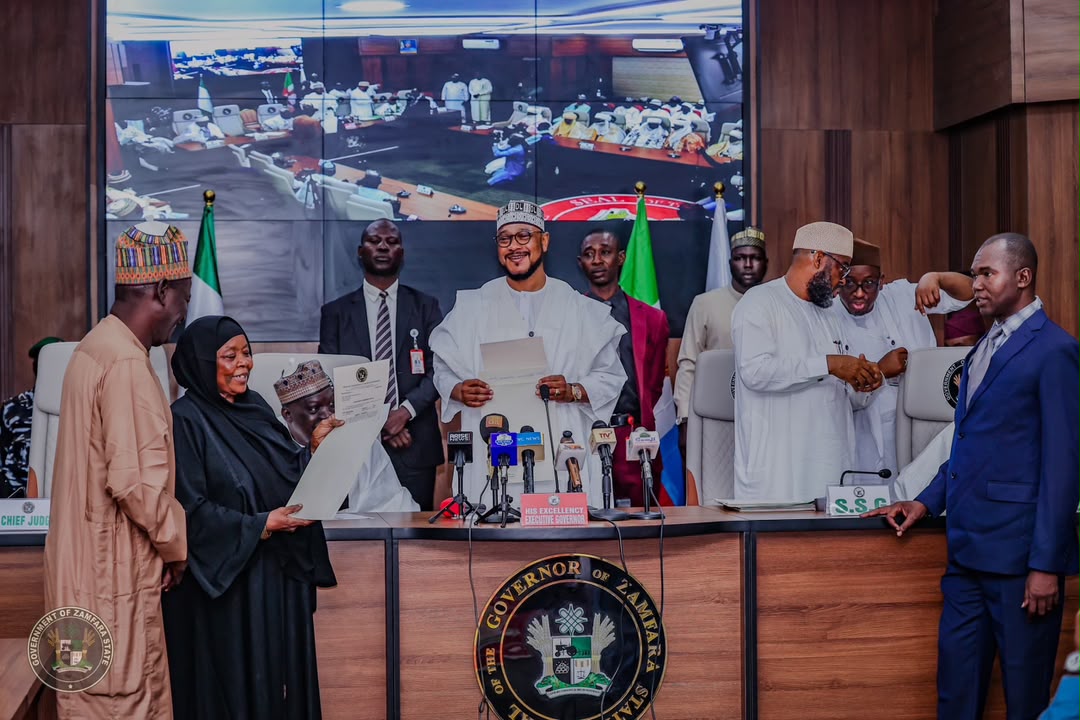
The governor distributed official vehicles to judicial officers and said about 90 per cent of court rehabilitation projects across the state had been completed
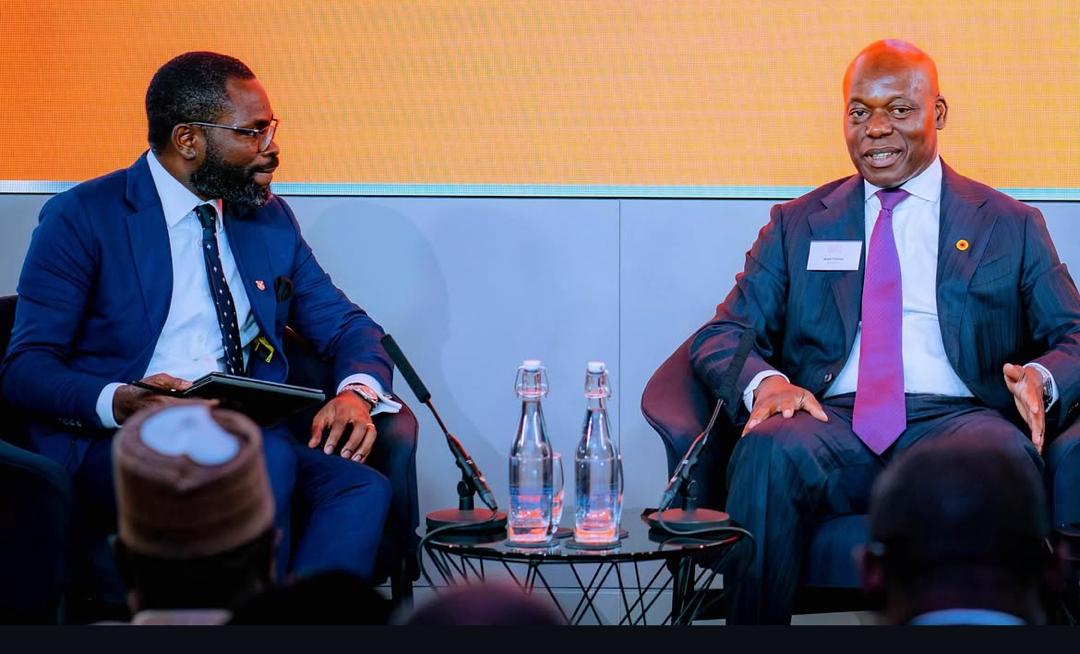
The Oando chief says transparency and stronger institutions are essential for African businesses seeking long-term international capital
-
Politics2 years ago
13 Ondo Assembly Members Disown Endorsement of Aiyedatiwa
-
Politics2 years ago
APC Group, Ondo Govt, Quarrel Over Money for Endorsement
-

 Trending News5 years ago
Stop unsavoury, inciting statements – DSS warns
-

 Others5 years ago
Adron Homes Celebrates 10 Years Of Housing Excellence
-

 Humanity5 years ago
President Buhari Commiserates With Ambassador Maureen Tamuno Over The Loss Of Her Father
-

 Others7 years ago
EX- CUSTOMS BOSS, IBRAHIM MERA’S DWINDLING FAME
-

 Business2 years ago
Bigi Carbonated Soft Drinks Treats 40 Consumers to an Epic Easter Movie Hangout
-

 Business2 years ago
Wema Bank Shines at Global SME Finance Forum Conference Awards 2024 …Awarded: • SME Financier of the Year (Africa) • Platinum Award for Best Financier for Women Entrepreneurs (Africa)