
News
Russia Condemns Trump’s Threat of Action in Nigeria


Russia Nigeria tensions rise as Moscow condemns Donald Trump’s threat of U.S. military action in Nigeria, urging respect for sovereignty and international law

Russia Nigeria relations entered the spotlight on Friday as Moscow strongly condemned U.S. President Donald Trump’s controversial comments hinting at possible American military intervention in Nigeria.
Also read: BREAKING: Trump Sanctions Nigeria Over ‘Mass Slaughter’ of Christians
In a statement issued in Moscow, Russian Foreign Ministry spokeswoman Maria Zakharova said Russia was “closely monitoring the situation in Nigeria” and urged the United States to act within the bounds of international law.
She described Trump’s remarks as “unconstructive and potentially destabilising,” warning that any unilateral move would violate the United Nations Charter and undermine regional stability.
“Russia reaffirms its commitment to the principles of non-interference and calls on all parties to prioritise dialogue and respect for Nigeria’s territorial integrity,” Zakharova stated.
The diplomatic rebuke followed Trump’s comments at a campaign rally on 1 November, where he claimed to have instructed the U.S. Department of Defense to prepare “options for action” in Nigeria to “protect Christian communities.” His assertion, widely viewed as provocative, triggered an immediate international backlash.
The Nigerian government swiftly rejected Trump’s claim of religious persecution, insisting that security challenges affect citizens of all faiths. Officials confirmed that diplomatic consultations with Washington were ongoing to clarify the U.S. president’s position.
China also weighed in, echoing Russia’s stance. Beijing urged restraint and called for Nigeria’s internal issues to be resolved domestically and through recognised regional mechanisms.
Analysts believe Russia’s quick and forceful response reflects its growing strategic footprint in Africa and its determination to counterbalance U.S. influence on the continent.
Nigeria, Africa’s largest economy and leading energy producer, has become a crucial battleground for global diplomatic and security interests.
Political observers say Moscow’s statement signals a broader shift in global alignments, as major powers reposition themselves around Africa’s evolving political landscape.
Trump’s remarks have drawn sharp criticism from human rights groups and religious leaders, who accused him of exploiting Nigeria’s internal divisions for political advantage.
Foreign policy experts warn that intensifying rhetoric from global powers could strain Nigeria’s diplomatic ties and complicate ongoing security cooperation with Western nations.
Also read: Donald Trump Announces Lawsuit Against Twitter, Facebook And Google
For now, Abuja appears intent on preserving stability and asserting its sovereignty, even as it navigates the mounting global interest in its domestic affairs.



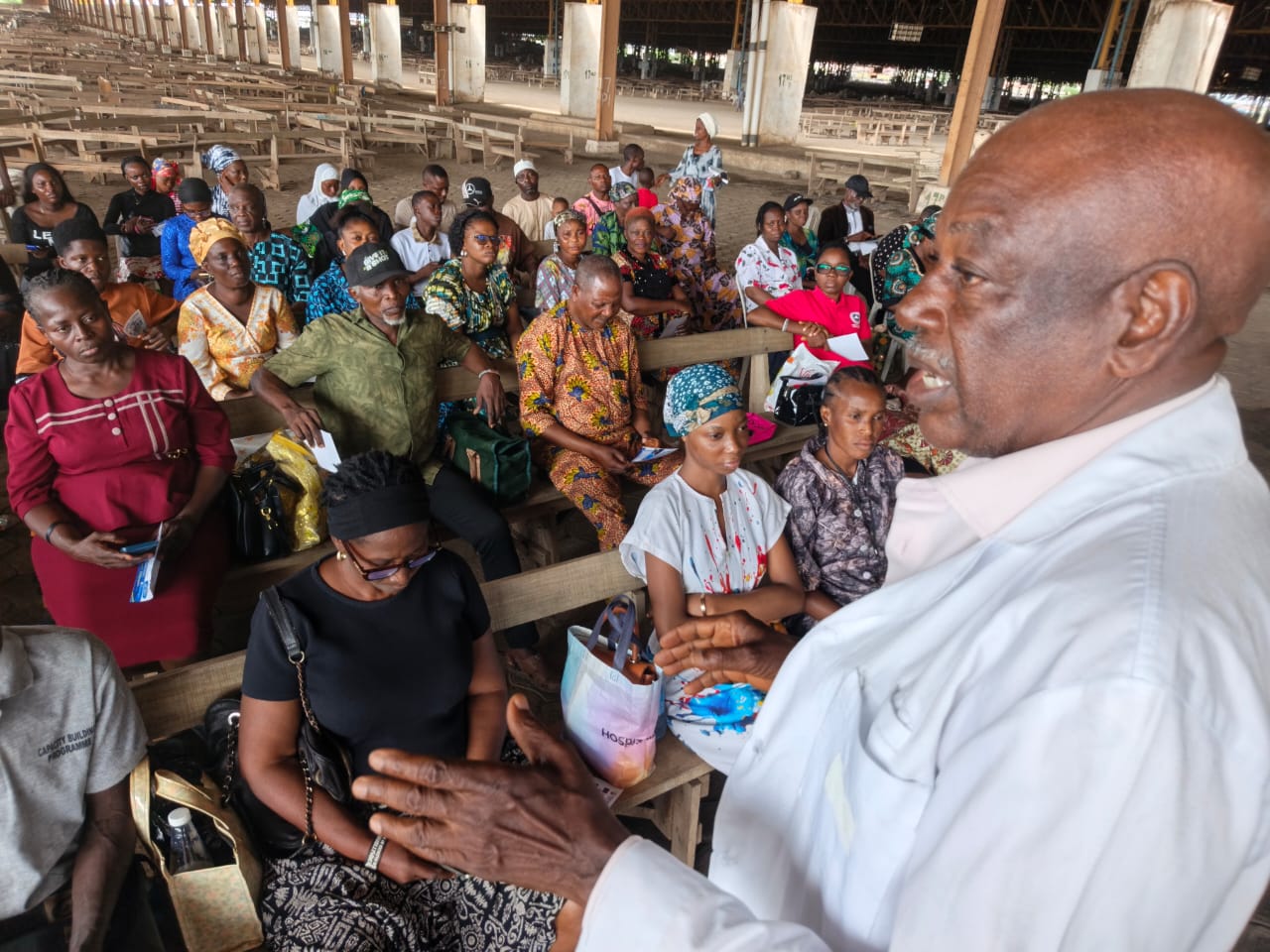
GFF free medical screening reaches residents of Redemption City and Simawa ahead of free surgical interventions scheduled for October 2026
-
Politics3 years ago
13 Ondo Assembly Members Disown Endorsement of Aiyedatiwa
-
Politics3 years ago
APC Group, Ondo Govt, Quarrel Over Money for Endorsement
-

 Trending News5 years ago
Stop unsavoury, inciting statements – DSS warns
-

 Others5 years ago
Adron Homes Celebrates 10 Years Of Housing Excellence
-

 Humanity5 years ago
President Buhari Commiserates With Ambassador Maureen Tamuno Over The Loss Of Her Father
-

 Others7 years ago
EX- CUSTOMS BOSS, IBRAHIM MERA’S DWINDLING FAME
-

 Business2 years ago
Bigi Carbonated Soft Drinks Treats 40 Consumers to an Epic Easter Movie Hangout
-

 Business2 years ago
Wema Bank Shines at Global SME Finance Forum Conference Awards 2024 …Awarded: • SME Financier of the Year (Africa) • Platinum Award for Best Financier for Women Entrepreneurs (Africa)