
Business
Sterling Bank Records Positive Impact from Zero Transfer Fees Policy


Sterling Bank Zero Transfer Fees policy returns N1.6bn to customers, boosting inclusion, transaction growth, and digital banking adoption

Sterling Bank Plc on Wednesday marked the first anniversary of its Sterling Bank Zero Transfer Fees initiative, reporting that over N1.6 billion has been returned directly to customers since the policy was introduced, in a move that continues to reshape pricing dynamics within Nigeria’s financial services sector.
Also read: Unity Bank Posts N36.18 Billion Gross Earnings In Nine Months
Launched on April 1, 2025, the Sterling Bank Zero Transfer Fees policy eliminated charges on digital transfers conducted via the bank’s OneBank platform, positioning the lender as the first major Nigerian bank to forgo revenue from online transaction fees in favour of customer value delivery.
Speaking on the milestone, Chief Executive Officer Abubakar Suleiman described the decision as a deliberate strategic shift aimed at prioritising value over transactional income.
He said the outcome of the initiative has validated the bank’s long-term approach to sustainable growth and customer-centric banking.
According to the bank, millions of customers have benefited from fee-free transfers over the past year, with adoption rising steadily among individuals, small businesses and digitally inclined users.
The initiative has also contributed to increased transaction volumes and stronger engagement with formal banking channels, supporting broader financial inclusion goals.
The Sterling Bank Zero Transfer Fees model is underpinned by a multi-year digital transformation programme that involved the deployment of a homegrown core banking system and a scalable private cloud infrastructure.
This technological foundation, the bank noted, has enabled it to absorb the cost implications of the policy while maintaining operational efficiency.
Chief Marketing Officer Donatus Okpako said the anniversary represents both a milestone and a statement of intent, noting that the bank is challenging traditional assumptions about revenue generation in the banking industry.
He added that the initiative demonstrates that commercial sustainability can coexist with fairness to customers.
The bank further stated that the N1.6 billion returned to customers reflects tangible relief and improved financial outcomes for users, particularly in an environment where transaction costs can accumulate significantly over time.
It also said the policy is contributing to wider conversations around transparency and customer value across the sector.
Also read: Dollar Holds Near Two-Week High Amid Global Risk Aversion
As Sterling Bank enters the second year of the initiative, it has pledged to continue investing in technology, expanding its product offerings across payments, savings and credit, and strengthening access to financial services for a broader segment of the population.


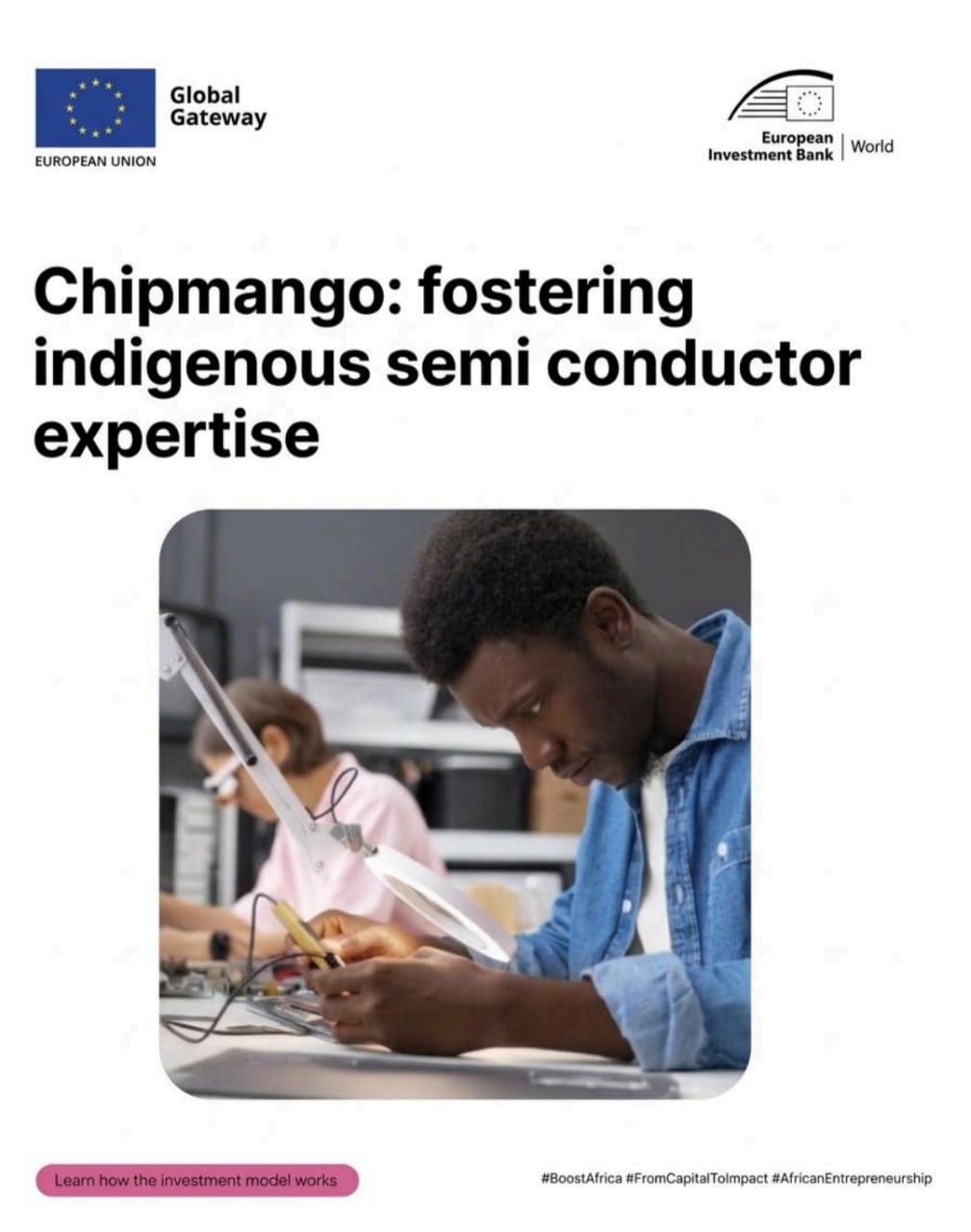
Africa’s technology ecosystem has produced innovative fintech, e-commerce and digital service companies. But there is another important part of the technology value chain that deserves attention: semiconductor engineering.
ChipMango is developing capabilities in chip design, verification and emerging hardware technologies. Its story demonstrates the kind of specialised innovation that deserves greater investment and attention.
Through Boost Africa, a joint initiative of the European Investment Bank (EIB) and African Development Bank, supported by the EU, the EIB helps channel investment through venture capital funds to innovative African enterprises. Discover how this
investment ecosystem is helping create opportunities for businesses working on Africa’s technological future.
Watch the video:
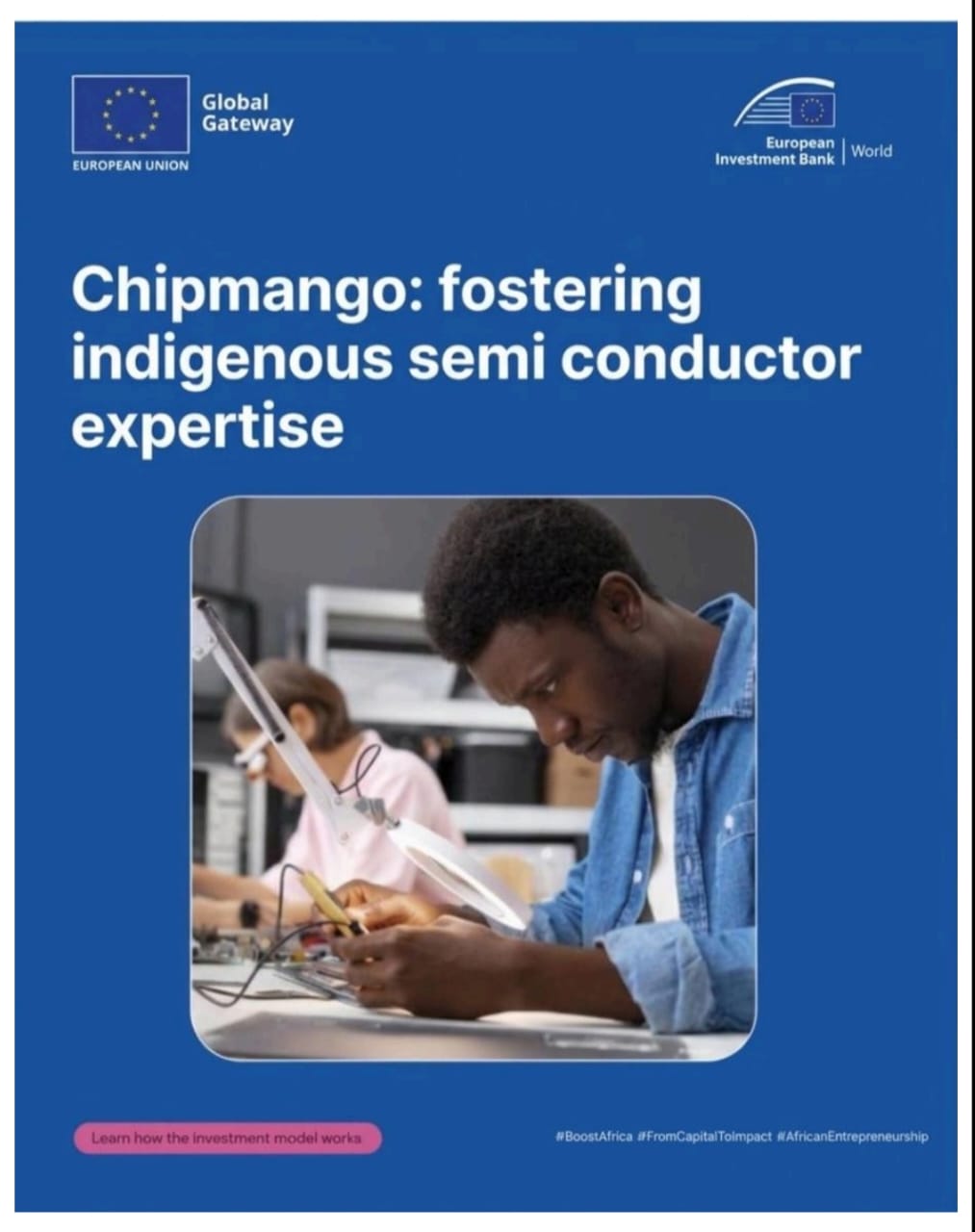
From smartphones and laptops to vehicles and AI systems, semiconductors are essential to modern technology. Yet, the expertise required to design these components remains concentrated in a relatively small number of global
technology hubs.
ChipMango is working to expand access to semiconductor engineering skills and commercial opportunities for African engineers. Its journey also highlights why initiatives such as EIB’s Boost Africa matter. By supporting venture capital funds investing in innovative African businesses, Boost Africa helps strengthen the financing ecosystem needed to develop specialised technology companies. Watch the video to learn how ChipMango is contributing to Africa’s place in the global technology industry.
Watch the video:
Business
ChipMango: Building Nigeria’s Semiconductor Engineering Capabilities for the Global Tech Industry


Africa’s participation in the global technology industry should go beyond
using digital products and services.
African engineers also have an opportunity to contribute to the technologies themselves, including the semiconductors that power smartphones, computers, vehicles and artificial intelligence.
Nigerian semiconductor technology company ChipMango is working to develop this capability by connecting engineering education with practical chip-design and verification projects.
Through its investment in African venture capital funds, the European Investment Bank (EIB), under the Boost Africa
initiative, is helping strengthen the ecosystem that supports innovative businesses like ChipMango.
Boost Africa is a joint initiative of the EIB and African Development Bank, supported by the European Union.
Watch the video to discover ChipMango’s story and the opportunities it is helping create.
Watch the video:
-
Politics3 years ago
13 Ondo Assembly Members Disown Endorsement of Aiyedatiwa
-
Politics3 years ago
APC Group, Ondo Govt, Quarrel Over Money for Endorsement
-

 Trending News6 years ago
Stop unsavoury, inciting statements – DSS warns
-

 Others5 years ago
Adron Homes Celebrates 10 Years Of Housing Excellence
-

 Humanity5 years ago
President Buhari Commiserates With Ambassador Maureen Tamuno Over The Loss Of Her Father
-

 Others7 years ago
EX- CUSTOMS BOSS, IBRAHIM MERA’S DWINDLING FAME
-

 Business3 years ago
Bigi Carbonated Soft Drinks Treats 40 Consumers to an Epic Easter Movie Hangout
-

 Business2 years ago
Wema Bank Shines at Global SME Finance Forum Conference Awards 2024 …Awarded: • SME Financier of the Year (Africa) • Platinum Award for Best Financier for Women Entrepreneurs (Africa)