
Education
Eight Professors Enter UNIJOS Vice-Chancellor Race


UNIJOS VC race gathers eight professors as stakeholders question candidates on leadership, integrity, academic development and university governance
Eight professors are seeking to become the next Vice-Chancellor of the University of Jos (UNIJOS), Plateau State, as academic staff, university administrators and other stakeholders intensify discussions about the institution’s leadership, governance and future direction ahead of the December 2026 transition.

The contest came into focus on Monday, November 9, 2026, when the university’s Advancement Office and the Academic Staff Union of Universities (ASUU) organised an interactive session with the aspirants at the ASUU Secretariat, Naraguta Campus, Jos.
Also read:Emir of Kano Praises Dauda Lawal’s Work in Zamfara
The meeting provided an opportunity for the candidates to present their leadership visions and respond to questions about how they intended to manage the institution if appointed.
According to a report by The PUNCH, seven candidates were identified as participants in the session: Professors Ikonne Ogaji, Victor Duga, Sati Fwatshak, Anthony Dakum, Patricia Lar, Bernard Matur and Simon Yiltok.
Although the report described the contest as involving eight professors, it did not identify the eighth candidate. The discrepancy remains to be clarified.
Welcoming participants, ASUU Chairman, Professor Joseph Molwus, said the engagement was organised to encourage members of the university community to take an active interest in the selection of the institution’s next chief executive.
He explained that stakeholders should not remain passive while decisions affecting the university’s future were being made.
“Our distinguished keynote speakers, panellists and co-host, the Executive Director, Advancement Office, University of Jos; distinguished guests, ladies and gentlemen; our dear comrades from ASUU and other unions; and our community leaders, I warmly welcome you to this very important event in the history of the University of Jos,” Molwus said.
He also commended the organising committee chaired by Professor Okechukwu Great for working with the Advancement Office to arrange the interaction.
Molwus described the meeting as an important opportunity for the university community to understand the aspirations and priorities of those seeking the position.
A major contribution to the discussion came from Professor Nanven Gambo, a former Vice-Chancellor of Karl Kumm University, who delivered an address titled Governance, Integrity and Inclusivity: Vision, Mission, Academic Leadership and Innovation.
Gambo challenged the aspirants to explain how they would exercise authority responsibly while addressing the institution’s administrative and academic challenges.
He reminded the candidates that the University of Jos was a second-generation federal university with significant responsibilities in teaching, research, institutional development and national service.
“I believe that you have contributions to make to the growth and development of the university. The University of Jos is a second-generation university, and therefore, the demands are quite heavy, very heavy,” he said.
He further asked the aspirants to consider how they would manage the authority attached to the office and translate their individual ambitions into measurable institutional progress.
“You are given instruments of power, instruments of authority. How do you manage that? How do you handle that to grow the university from where you have taken over to where you want it to be? I think that underscores the importance of governance,” Gambo added.
The leadership contest comes as the university prepares for the end of the tenure of its current Vice-Chancellor, Professor Tanko Ishaya, whose five-year appointment began on December 1, 2021.
The university’s official vacancy announcement stated that the position would become vacant on December 1, 2026, and invited qualified internal and external candidates to apply.
The advertised position carries a single, non-renewable five-year term. Applications closed on July 13, 2026.
The selection process has also attracted attention following questions raised publicly about transparency and stakeholder participation.
On November 1, 2026, the university issued a statement clarifying that the appointment process was being conducted in accordance with the University of Jos Act.
Registrar and Secretary to Council, Dr Rejoice James Songden, said responsibility for selecting the next Vice-Chancellor rested with the Governing Council rather than the incumbent Vice-Chancellor.
The university also maintained that the selection process was ongoing and urged the public to rely on its official communication channels for verified information.
Under the University of Jos Act, the selection procedure involves a search and screening process, followed by consideration of shortlisted candidates by a joint Council and Senate selection board.
The Governing Council subsequently selects three candidates and forwards their names to the President, who makes the final appointment in accordance with the law.
The importance of the appointment extends beyond the immediate contest because the Vice-Chancellor is responsible for providing academic and administrative leadership, overseeing institutional policies and working with the Governing Council and Senate to advance the university’s objectives.
Established in 1971 as a campus of the University of Ibadan, the institution became a full-fledged university in 1975. It has since developed into an important federal university serving students from Plateau State, other parts of Nigeria and beyond.
The incoming administration will inherit responsibilities involving academic standards, research development, infrastructure, staff welfare, funding and the broader challenges confronting public universities in Nigeria.
The stakeholders’ engagement therefore provided an opportunity to examine the leadership priorities of the aspirants before the conclusion of the formal selection process.
However, the interaction does not determine the eventual appointment, which remains the responsibility of the Governing Council and the President under the university’s governing legislation.
Also read:Emir of Kano Praises Dauda Lawal’s Work in Zamfara
As the December transition approaches, attention will remain on the selection process and the leadership vision ultimately considered for the next phase of the University of Jos.



Platform College wins The Encounter 2026 AI debate in Lagos, taking home ₦500,000 as Ali Baba discusses AI’s impact on Africa’s creative economy

Lagos Speaker Mudashiru Obasa announces ₦50m cash support for 500 public school students, with each beneficiary receiving ₦100,000
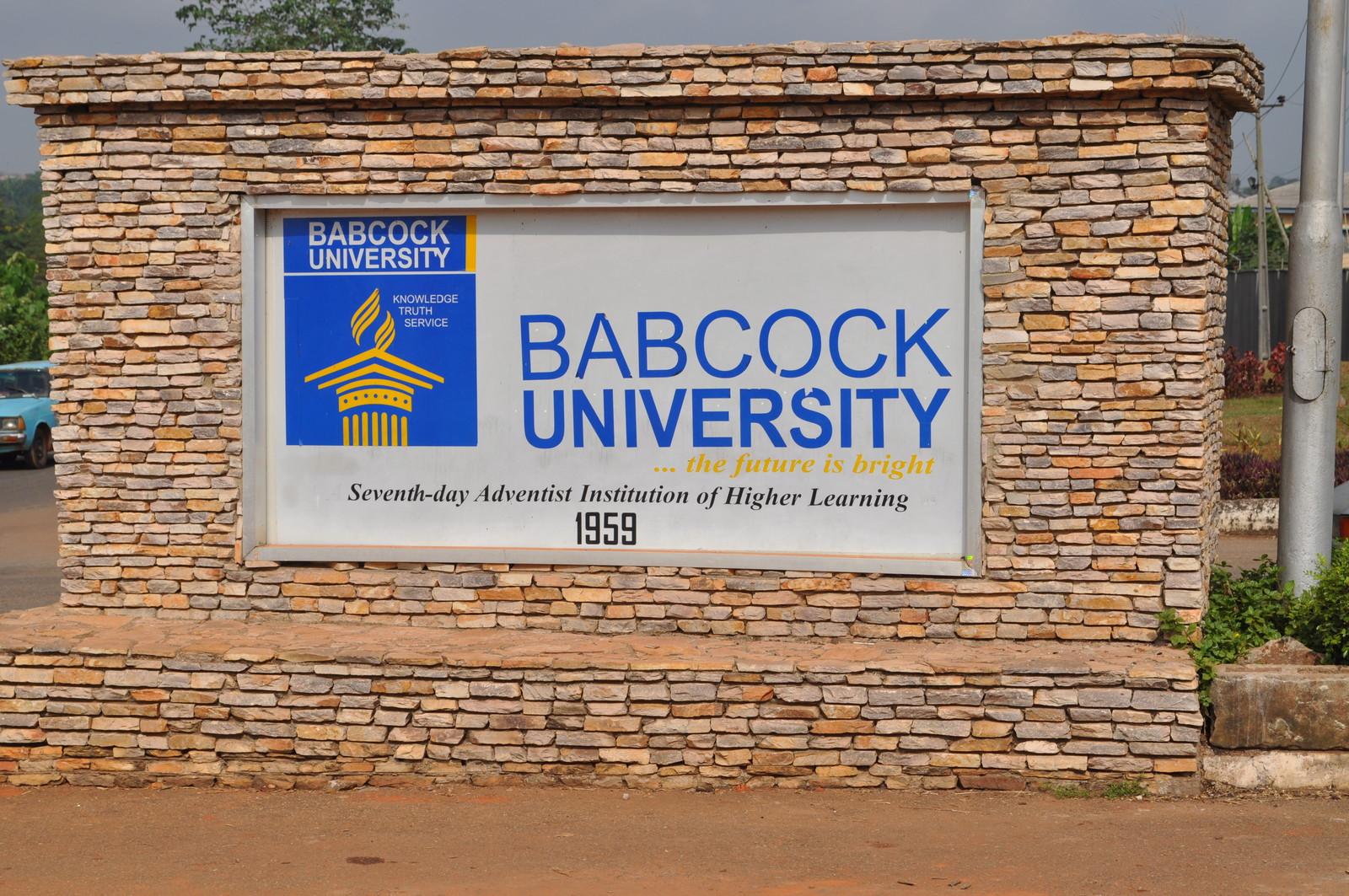
Babcock student hostel incident: University confirms the student is alive and receiving treatment after roommates intervened in a hostel emergency
-
Politics3 years ago
13 Ondo Assembly Members Disown Endorsement of Aiyedatiwa
-
Politics3 years ago
APC Group, Ondo Govt, Quarrel Over Money for Endorsement
-

 Trending News6 years ago
Stop unsavoury, inciting statements – DSS warns
-

 Others5 years ago
Adron Homes Celebrates 10 Years Of Housing Excellence
-

 Humanity5 years ago
President Buhari Commiserates With Ambassador Maureen Tamuno Over The Loss Of Her Father
-

 Others7 years ago
EX- CUSTOMS BOSS, IBRAHIM MERA’S DWINDLING FAME
-

 Business3 years ago
Bigi Carbonated Soft Drinks Treats 40 Consumers to an Epic Easter Movie Hangout
-

 Business2 years ago
Wema Bank Shines at Global SME Finance Forum Conference Awards 2024 …Awarded: • SME Financier of the Year (Africa) • Platinum Award for Best Financier for Women Entrepreneurs (Africa)