
News
Senate Moves to End Risky VIP Flight Delays in Nigeria

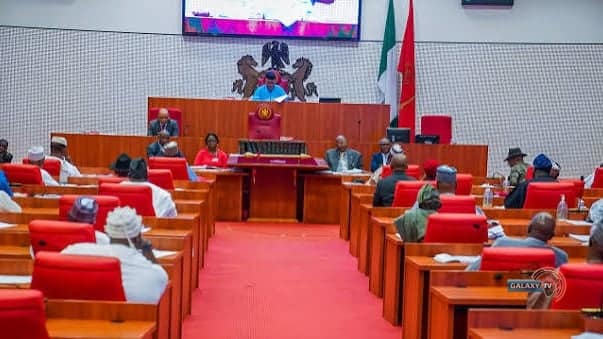
Senate moves to tackle VIP flight delays in Nigeria, warning that prolonged aircraft holding could threaten passenger safety and disrupt commercial flights

The Nigerian Senate has moved to address prolonged flight delays and potential aviation safety risks associated with airspace restrictions for Very Important Persons (VIPs), following concerns that commercial aircraft are sometimes forced to remain airborne for more than an hour while awaiting permission to land.
Also read:Harry Urges Social Media Firms to Protect Children
The resolution was adopted during plenary in Abuja on Tuesday, 10 November 2026, after Senator Isah Jibrin, representing Kogi East, raised concerns about the disruption of commercial flight operations and the potential dangers to passengers and crew members.
The motion of urgent national importance highlighted reports of aircraft being kept in holding patterns while airport landing operations are temporarily suspended to accommodate VIP movements and other security-related activities.
Jibrin argued that such restrictions, particularly when poorly coordinated, could expose aircraft to unnecessary operational risks while disrupting airline schedules.
According to the lawmaker, some international flights have also been forced to divert to alternative airports within Nigeria because access to their intended destinations was temporarily restricted.
While acknowledging the importance of security arrangements for the President and other protected public officials, the Senate insisted that such measures should not compromise the safety of ordinary air travellers.
The lawmakers expressed concern that prolonged airborne holding increases fuel consumption and reduces available operational reserves, potentially leaving aircraft with less flexibility to respond to unexpected emergencies.
Other risks identified include deteriorating weather conditions, air traffic congestion, diversion difficulties and restrictions imposed by flight crew duty-time limits.
The Senate consequently directed its Committee on Aviation, chaired by Senator Abdulfatai Buhari, to engage four major aviation institutions: the Nigerian Civil Aviation Authority (NCAA), Nigerian Airspace Management Agency (NAMA), Federal Airports Authority of Nigeria (FAAN) and Nigerian Safety Investigation Bureau (NSIB).
The committee is expected to examine the circumstances surrounding the restrictions, assess existing operational procedures and report its findings to the Senate within two weeks.
The Senate also called for better advance communication between aviation authorities, airport operators, airlines and security agencies whenever temporary airspace restrictions are anticipated.
It argued that where authorities already know an airport will be temporarily inaccessible, commercial aircraft should be delayed at their departure airports rather than allowed to take off and remain airborne while waiting for landing clearance.
The lawmakers also recommended revised departure slots, improved flight sequencing and the diversion of affected aircraft to alternative airports where necessary.
During the debate, Senator Diket Plang, representing Plateau Central, drew attention to the importance of proper flight scheduling, noting that airlines and airport authorities should receive adequate information about planned VIP movements before commercial aircraft are cleared for departure.
Senator Abdul Ningi, representing Bauchi Central, also expressed concern about the disruption experienced by passengers.
Ningi recalled a recent journey from Kano that should ordinarily have taken about 40 minutes but reportedly lasted approximately two and a half hours because of airspace-related delays.
Senate President Godswill Akpabio also questioned the extent of the restrictions and the categories of public officials entitled to such privileges.
He called for clarification from the aviation authorities on the number of VIP movements that routinely require airport restrictions, stressing the need for clear operational guidelines.
The discussion also raised questions about whether the security arrangements surrounding presidential movements were being extended to other public officials without sufficient justification.
However, lawmakers acknowledged that restrictions may sometimes be necessary for legitimate security reasons. Their concern was that inadequate coordination could turn otherwise routine security operations into avoidable risks for commercial aviation.
The Senate’s intervention comes amid wider concerns about operational challenges in Nigeria’s aviation sector, including flight delays, air traffic management and the condition of communication and surveillance infrastructure.
The Nigerian Air Traffic Controllers’ Association has also raised concerns about deficiencies in critical airspace management equipment, warning that inadequate infrastructure could affect the effective discharge of air traffic control responsibilities.
The association has called for improvements to communication and surveillance systems, while Aviation Minister Festus Keyamo has urged continued dialogue over the concerns.
For passengers, the issue extends beyond inconvenience. Prolonged delays can disrupt connecting journeys, increase operational costs for airlines and create additional pressure on flight crews.
The Senate’s proposed engagement is therefore expected to examine how security requirements can be balanced with predictable flight operations and the protection of passengers.
Although the latest resolution does not amount to a blanket ban on VIP-related airspace restrictions, it signals growing legislative concern about how those restrictions are implemented.
The two-week review by the Senate Committee on Aviation will be important in determining whether clearer rules, improved communication and stricter oversight can prevent commercial aircraft from being unnecessarily kept airborne.
Also read:Harry Urges Social Media Firms to Protect Children
Ultimately, the lawmakers want an aviation system in which security arrangements for public officials do not expose other air travellers to avoidable danger.


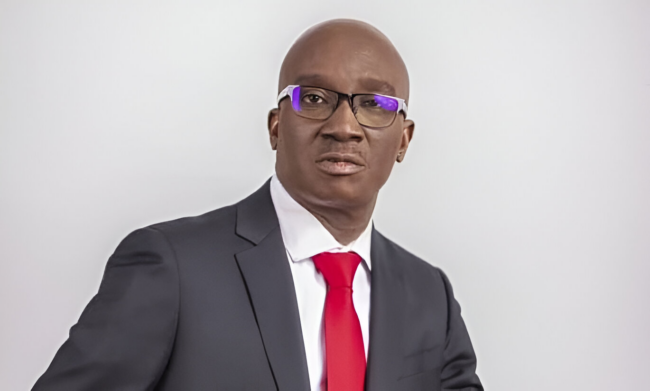
Governor Monday Okpebholo promises Edo traders free initial shop allocation at renovated Oba Market to help businesses recover and resume trading
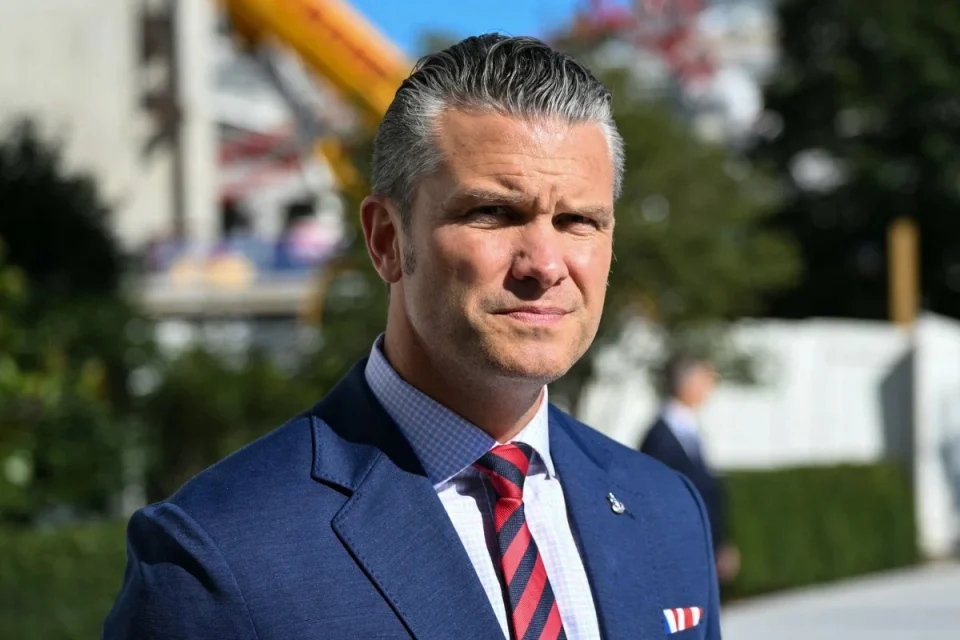
The US House has blocked a Hegseth impeachment bid over the Iran war and alleged military misconduct, sending the resolution to committee

Moji Makanjuola urges Nigerians to embrace responsible communication and reject hate messages to promote national unity and sustainable development
-
Politics3 years ago
13 Ondo Assembly Members Disown Endorsement of Aiyedatiwa
-
Politics3 years ago
APC Group, Ondo Govt, Quarrel Over Money for Endorsement
-

 Trending News6 years ago
Stop unsavoury, inciting statements – DSS warns
-

 Others5 years ago
Adron Homes Celebrates 10 Years Of Housing Excellence
-

 Humanity5 years ago
President Buhari Commiserates With Ambassador Maureen Tamuno Over The Loss Of Her Father
-

 Others7 years ago
EX- CUSTOMS BOSS, IBRAHIM MERA’S DWINDLING FAME
-

 Business3 years ago
Bigi Carbonated Soft Drinks Treats 40 Consumers to an Epic Easter Movie Hangout
-

 Business2 years ago
Wema Bank Shines at Global SME Finance Forum Conference Awards 2024 …Awarded: • SME Financier of the Year (Africa) • Platinum Award for Best Financier for Women Entrepreneurs (Africa)