
Politics
Wike warns Abuja contractors over Tinubu anniversary deadlines

Wike contractors Abuja project deadline warning as FCT minister insists on strict completion timelines ahead of President Tinubu’s anniversary projects
The Minister of the Federal Capital Territory, Nyesom Wike, on Wednesday, April 15, 2026, in Abuja, issued a firm warning to contractors handling major infrastructure projects, insisting that no extension will be granted for deadlines tied to inauguration projects marking President Bola Tinubu’s third anniversary.
Also read: Governor Dauda Lawal Receives Nigerian Air Force Delegation in Gusau to Strengthen Security, Combat Terrorism

The warning came during an inspection tour of ongoing works across the capital, where the minister expressed dissatisfaction over delays on some construction sites.
Wike specifically criticised slow progress at a road project in Wuse, stating that earlier agreed timelines had not been met despite previous assurances.
He said the Federal Capital Territory Administration would not tolerate further delays, directing that the affected project must be delivered by the second week of June.
While acknowledging the quality of work on some sites, the minister stressed that adherence to timelines remained a key requirement for all contractors.
He noted that inspections were part of routine monitoring designed to ensure accountability and maintain standards across infrastructure projects in the territory.
Wike commended progress on key projects such as the N16 interchange, describing the quality of work there as satisfactory and on schedule for inauguration.
He also highlighted developments at Tunga Madaki, where road and bridge construction linking Bill Clinton Drive to surrounding communities is nearing completion.
According to him, the project was initiated to improve access following the construction of a second runway and to respond to community demands for better connectivity.
The minister further disclosed plans to extend road infrastructure from the bridge axis to Zuba, with procurement and compensation processes already underway.
Beyond road development, Wike said the administration is also investing in water supply, education, and healthcare projects across the FCT.
He listed satellite water projects in Bwari, Karu, and Orozo as part of upcoming infrastructure inaugurations.
Wike also attributed recent water shortages in parts of Abuja Municipal Area Council to damage caused by a private developer, adding that investigations would be carried out.
He warned that appropriate sanctions would follow if negligence is established, including possible shutdown of offending developments.
Also read: Fertiliser Crisis Sparks Alarming Global Food Risk
The minister reaffirmed the administration’s commitment to delivering projects under the Renewed Hope agenda, aimed at improving infrastructure across Abuja’s city centre and satellite towns.



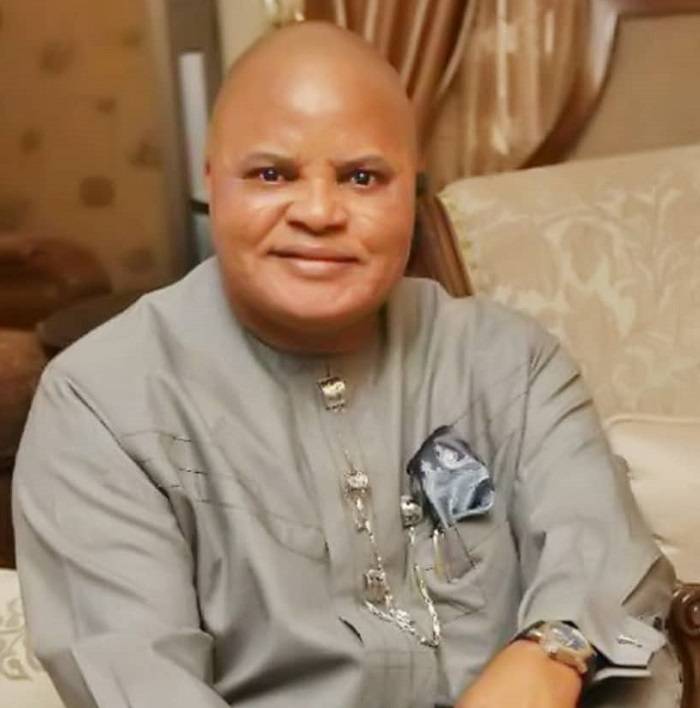
A group, the Imo First Group (IFG) has described the purported Magistrate court order to arrest Senator Ifeanyi Araraume and the former governor of Imo State, Rochas Okorocha, over alleged criminal conspiracy and forgery, as a ruse and fake news
The group stated this in a statement issued on Saturday in Abuja.
IFG challenged those peddling the fake news to make the court order public.
The statement reads ” The fabricated and concocted story was first posted on social media by Hon. Ambrose Nwaogwugwu, a media aide to Governor Hope Uzodimma, before it was picked up by other media outfits, including Arise TV.
According to the statement, those behind the report claimed that a Senior Magistrate Court sitting in Abuja issued a Bench Warrant dated September 9, 2026, following a petition written by the Resident Electoral Commissioner (REC) in Imo State, Barr. Chukwuemeka Ibejiako, to the Police and DSS on October 8, 2026, over alleged presentation of fake APC primary results.
The Group debunked the existence of any such order.
“We want to state categorically and unequivocally that no jSenior Magistrate ordered or issued any bench warrant for the arrest of Araraume”
IFG however challenged anyone in possession of the purported court order to publish it.
“If you claim to have a court order present same for the public to see,
“This fabricated bench warrant contain in the report is filled with inconsistencies, the bench warrant was dated September 9, 2026, while the REC’s petition that supposedly triggered it was dated October 8, 2026, with case number CR/M/084/2026.
The statement further stated that the purveyors and harbinger of the fake news tried to trick the magistrate via exparte order but was rebuked
“The magistrate bluntly refused to grant their exparte and threatened to arrest them, yet they carried their falsehood about. What’s the problem of occupants of office that never won free and fair elections and tried to destroy reputable Imo sons that have won elections. We challenge anyone in this macabre surugede dance to show the court order or warrant of arrest. It’s preposterous to blackmail decent Imo sons on the altar of dirty politics.”
-
Politics3 years ago
13 Ondo Assembly Members Disown Endorsement of Aiyedatiwa
-
Politics3 years ago
APC Group, Ondo Govt, Quarrel Over Money for Endorsement
-

 Trending News5 years ago
Stop unsavoury, inciting statements – DSS warns
-

 Others5 years ago
Adron Homes Celebrates 10 Years Of Housing Excellence
-

 Humanity5 years ago
President Buhari Commiserates With Ambassador Maureen Tamuno Over The Loss Of Her Father
-

 Others7 years ago
EX- CUSTOMS BOSS, IBRAHIM MERA’S DWINDLING FAME
-

 Business2 years ago
Bigi Carbonated Soft Drinks Treats 40 Consumers to an Epic Easter Movie Hangout
-

 Business2 years ago
Wema Bank Shines at Global SME Finance Forum Conference Awards 2024 …Awarded: • SME Financier of the Year (Africa) • Platinum Award for Best Financier for Women Entrepreneurs (Africa)