
News
Peter Obi engages ADC Chairmen on party growth and reforms


ADC State Chairmen meet Peter Obi in Abuja to discuss party reforms, youth and women participation, and strategies for national development

Engr. Sufiyanu Bala, Kebbi State Chairman of the African Democratic Congress (ADC), joined thirty-six state chairmen and the Federal Capital Territory (FCT) Chairman at a high-level consultative meeting with His Excellency, Dr. Peter Obi, in Abuja.
Also read: Charly Boy recalls Peter Obi’s surprise with Ghana Must Go bag
The engagement focused on critical national and state-level development challenges, drawing insights from grassroots realities across Nigeria.
Participants assessed the country’s socio-economic and political conditions and explored practical, people-centred solutions rooted in good governance, accountability, and inclusive development.
A major topic of discussion was the strengthening of the ADC as a credible national political platform.
The meeting examined institutional reforms, capacity building at ward and state levels, grassroots mobilisation, enhanced youth and women participation, and the promotion of transparent internal democratic processes to build public trust.
Dr. Peter Obi emphasised discipline, integrity, transparency, accountability, and people-oriented leadership as core values for the party.
He urged leaders to prioritise issue-based politics, reject ethnicity- and patronage-driven approaches, and place the welfare and aspirations of Nigerians above personal or sectional interests.
The ADC State Chairmen reaffirmed their commitment to party unity, internal democracy, strategic collaboration, and ideological clarity.
They pledged to work together to build a nationally credible alternative capable of addressing Nigeria’s developmental challenges.
Also read: Atiku reportedly offers Peter Obi VP slot in 2027 coalition bid
The meeting concluded with a shared resolve to expand the ADC’s national footprint, strengthen its institutional structures, and position the party as a vehicle for sustainable development, economic transformation, social justice, and national renewal.


Danielle Adewusi is crowned Miss Universe Nigeria 2026 after defeating 19 delegates in Lagos, earning the chance to represent Nigeria in Mexico (more…)
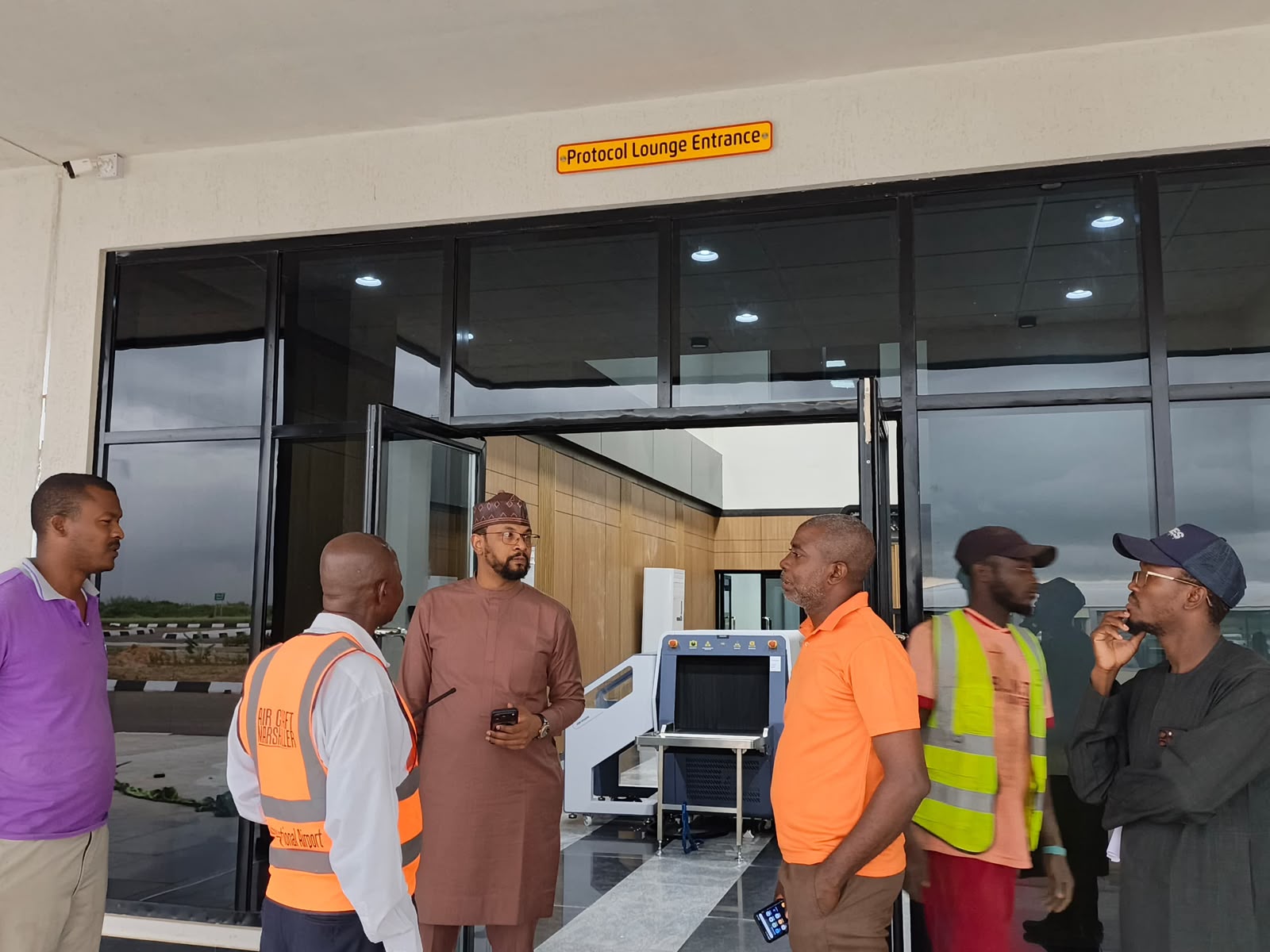
Gusau International Airport internet deployment begins ahead of October 1 commercial operations, with free connectivity planned for passengers and staff
-
Politics3 years ago
13 Ondo Assembly Members Disown Endorsement of Aiyedatiwa
-
Politics3 years ago
APC Group, Ondo Govt, Quarrel Over Money for Endorsement
-

 Trending News5 years ago
Stop unsavoury, inciting statements – DSS warns
-

 Others5 years ago
Adron Homes Celebrates 10 Years Of Housing Excellence
-

 Humanity5 years ago
President Buhari Commiserates With Ambassador Maureen Tamuno Over The Loss Of Her Father
-

 Others7 years ago
EX- CUSTOMS BOSS, IBRAHIM MERA’S DWINDLING FAME
-

 Business2 years ago
Bigi Carbonated Soft Drinks Treats 40 Consumers to an Epic Easter Movie Hangout
-

 Business2 years ago
Wema Bank Shines at Global SME Finance Forum Conference Awards 2024 …Awarded: • SME Financier of the Year (Africa) • Platinum Award for Best Financier for Women Entrepreneurs (Africa)