
health
WHO Warns Four in Ten Cancer Cases Are Preventable

WHO warns up to 40% of cancer cases are preventable through lifestyle, vaccination, and environmental measures

The World Health Organisation has warned that nearly four in ten cancer cases globally are linked to preventable risk factors, urging nations to invest more aggressively in prevention.
Also read: Polaris Bank Launches Free Breast Cancer Screening for Women Nationwide
The announcement was made on Tuesday in a statement released ahead of World Cancer Day on February 4.
Dr André Ilbawi, WHO Team Lead for Cancer Control, described the new global analysis conducted with the International Agency for Research on Cancer as a wake-up call, emphasising that many cancers are not inevitable.
“This is the first global analysis to demonstrate, at this scale, how much cancer risk comes from causes we can prevent,” Ilbawi said.
The report analysed data from 185 countries and 36 cancer types, estimating that 37 per cent of all new cancer cases diagnosed in 2022—approximately 7.1 million—were caused by tobacco use, alcohol consumption, obesity, physical inactivity, air pollution, ultraviolet radiation, and infection-related factors.
Tobacco was identified as the leading preventable cause, responsible for 15 per cent of new cases, followed by infections at 10 per cent and alcohol consumption at three per cent.
Lung, stomach, and cervical cancers accounted for nearly half of preventable cases worldwide. Lung cancer was largely linked to smoking and air pollution, stomach cancer to Helicobacter pylori infection, and cervical cancer almost entirely to human papillomavirus.
Dr Isabelle Soerjomataram, Deputy Head of the IARC Cancer Surveillance Unit, said the findings underscore the urgency of prevention-focused policies.
“Prevention is not optional—it is essential,” she said, highlighting that vaccines, cleaner air, safer workplaces, and healthier diets are powerful tools in reducing the global cancer burden.
The report also revealed notable gender and regional disparities. Among men, 45 per cent of new cancer cases were preventable, compared with 30 per cent for women.
Regional differences reflected variations in exposure to risk factors and national prevention policies, with East Asia recording the highest burden among men and sub-Saharan Africa among women.
The WHO called for coordinated action across health systems and governments, stressing that preventing cancer could save millions of lives while reducing long-term healthcare costs and improving overall population wellbeing.
Also read: Climate Change Drives Rising Cancer Burden in Nigeria, Experts Warn
“Cancer prevention is a shared responsibility. When governments act early, millions of families can be spared the physical, emotional, and financial burden of a cancer diagnosis,” Ilbawi said.


Niger State health workers absorption: 396 UNICEF and GAVI-supported staff join civil service to boost grassroots healthcare delivery
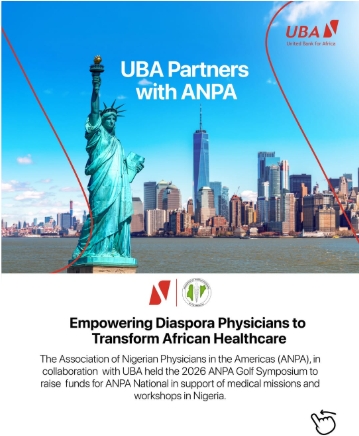
UBA diaspora healthcare investment initiative targets Nigerian-American doctors to support hospitals and medical infrastructure in Nigeria


-
Politics2 years ago
13 Ondo Assembly Members Disown Endorsement of Aiyedatiwa
-
Politics2 years ago
APC Group, Ondo Govt, Quarrel Over Money for Endorsement
-

 Trending News5 years ago
Stop unsavoury, inciting statements – DSS warns
-

 Others4 years ago
Adron Homes Celebrates 10 Years Of Housing Excellence
-

 Humanity4 years ago
President Buhari Commiserates With Ambassador Maureen Tamuno Over The Loss Of Her Father
-

 Others7 years ago
EX- CUSTOMS BOSS, IBRAHIM MERA’S DWINDLING FAME
-

 Business2 years ago
Bigi Carbonated Soft Drinks Treats 40 Consumers to an Epic Easter Movie Hangout
-

 Business2 years ago
Wema Bank Shines at Global SME Finance Forum Conference Awards 2024 …Awarded: • SME Financier of the Year (Africa) • Platinum Award for Best Financier for Women Entrepreneurs (Africa)