
Economy
Obasanjo: Policy is meaningless without entrepreneurs like Wale Tinubu

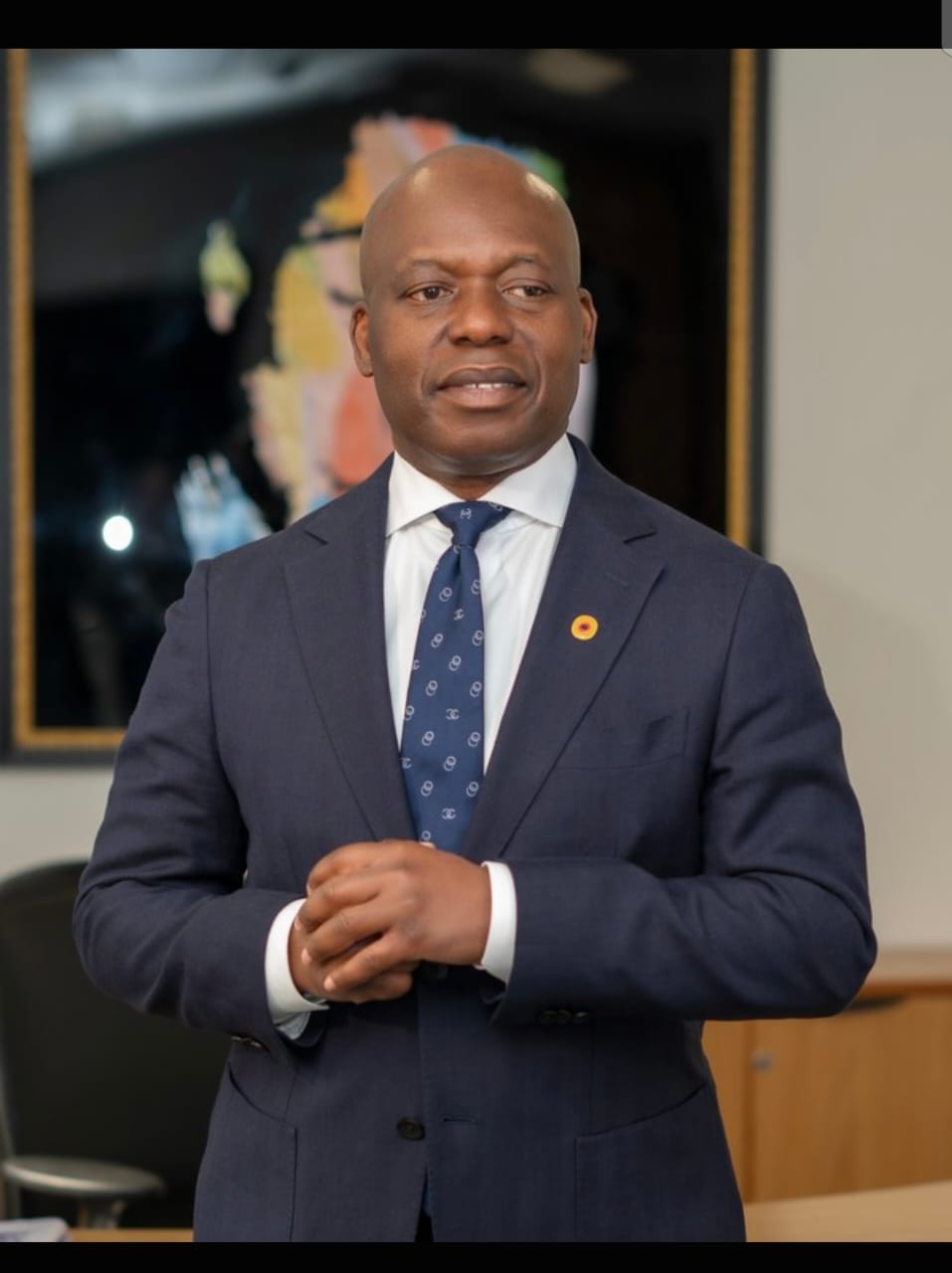
Olusegun Obasanjo says government policies require entrepreneurs like Wale Tinubu to translate economic plans into investment, industrial growth and jobs
Former President Olusegun Obasanjo has highlighted the role of private enterprise in translating government policies into economic development, citing Oando Group Chief Executive, Jubril Adewale Tinubu, among Nigerian entrepreneurs who responded to policy opportunities with investment and enterprise.
Also read: Wale Tinubu Says Nigeria’s Creativity Can Drive Exports

Obasanjo spoke on Wednesday, September 30, at the groundbreaking ceremony for Aliko Dangote’s proposed $16 billion East Africa Refinery in Lamu, Kenya.
The former president reflected on the relationship between government policy and private-sector investment while explaining how Dangote emerged as a major industrialist.
According to Obasanjo, government policies could only achieve their intended objectives when entrepreneurs were willing to provide capital, take risks and invest in productive ventures.

Obasanjo said some of the policies introduced during his administration were designed to encourage investment and stimulate domestic industrial production.
He noted that the success of such policies depended on entrepreneurs taking advantage of the opportunities created by government interventions.
“I made policies, but my policies would have failed if not for Dangote and others like Wale — Wale, please stand up — and others that took advantage of them,” Obasanjo said.
The former president’s comment highlighted the role of private-sector actors in converting government policy into actual investments and economic activity.
Tinubu’s career in Nigeria’s energy industry provides an example of the relationship between public policy and private investment.
Through Oando, Tinubu has overseen the development of an energy business with interests spanning significant segments of the petroleum value chain.
The company has been involved in various areas of Nigeria’s energy industry, reflecting the role of private capital in expanding activity within the sector.
Obasanjo’s reference to Tinubu therefore placed the Oando executive alongside other entrepreneurs who, according to the former president, responded to policy initiatives by investing in businesses and productive assets.
The former president’s remarks also highlighted the broader relationship between government policy and private-sector investment.
Government policies can establish regulatory frameworks, incentives and economic conditions, but their impact can depend on whether businesses respond with investment and entrepreneurship.
This relationship remains relevant as African economies seek to reduce dependence on raw-material exports, expand local processing and develop greater industrial capacity.
The groundbreaking of Dangote’s proposed refinery in Kenya provided the backdrop for Obasanjo’s remarks, with the former president using the occasion to reflect on the role of entrepreneurs in turning policy ambitions into economic activity.
Also read: Wale Tinubu Says Nigeria’s Creativity Can Drive Exports
His comments placed entrepreneurs such as Dangote and Tinubu within a broader discussion about the role of private investment in Africa’s industrial and economic development.


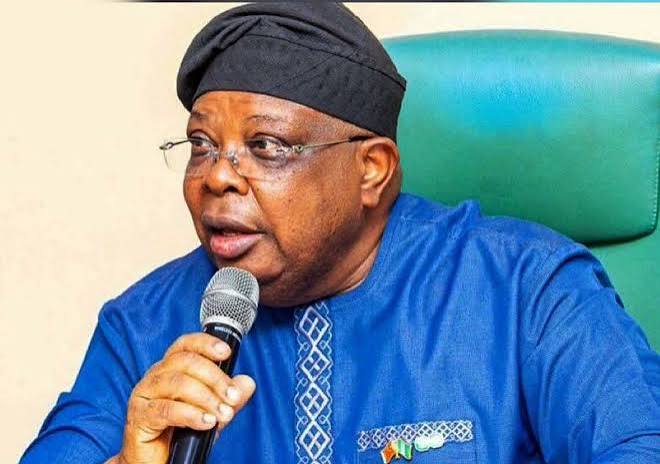
Joseph Tegbe explains why Nigeria’s poor electricity supply persists despite investments, citing infrastructure decay, poor planning and power sector debts

Nigeria passport production is set to reach six million booklets annually by May 2027, with plans to expand capacity and serve the ECOWAS market.
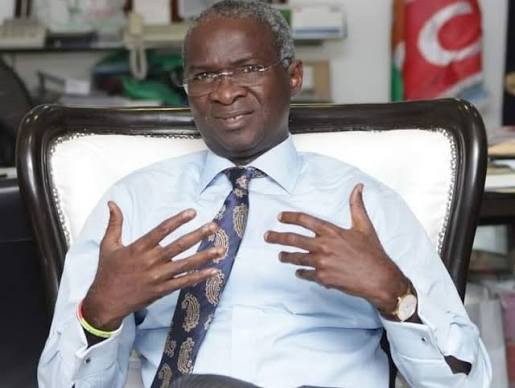
Fashola links Nigeria’s cost-of-living crisis to global conflicts, while defending Tinubu’s economic policies and acknowledging gaps in relief
-
Politics3 years ago
13 Ondo Assembly Members Disown Endorsement of Aiyedatiwa
-
Politics3 years ago
APC Group, Ondo Govt, Quarrel Over Money for Endorsement
-

 Trending News6 years ago
Stop unsavoury, inciting statements – DSS warns
-

 Others5 years ago
Adron Homes Celebrates 10 Years Of Housing Excellence
-

 Humanity5 years ago
President Buhari Commiserates With Ambassador Maureen Tamuno Over The Loss Of Her Father
-

 Others7 years ago
EX- CUSTOMS BOSS, IBRAHIM MERA’S DWINDLING FAME
-

 Business3 years ago
Bigi Carbonated Soft Drinks Treats 40 Consumers to an Epic Easter Movie Hangout
-

 Business2 years ago
Wema Bank Shines at Global SME Finance Forum Conference Awards 2024 …Awarded: • SME Financier of the Year (Africa) • Platinum Award for Best Financier for Women Entrepreneurs (Africa)