
Economy
FG Begins Fresh Tax Reform Review Ahead of 2027 Budget

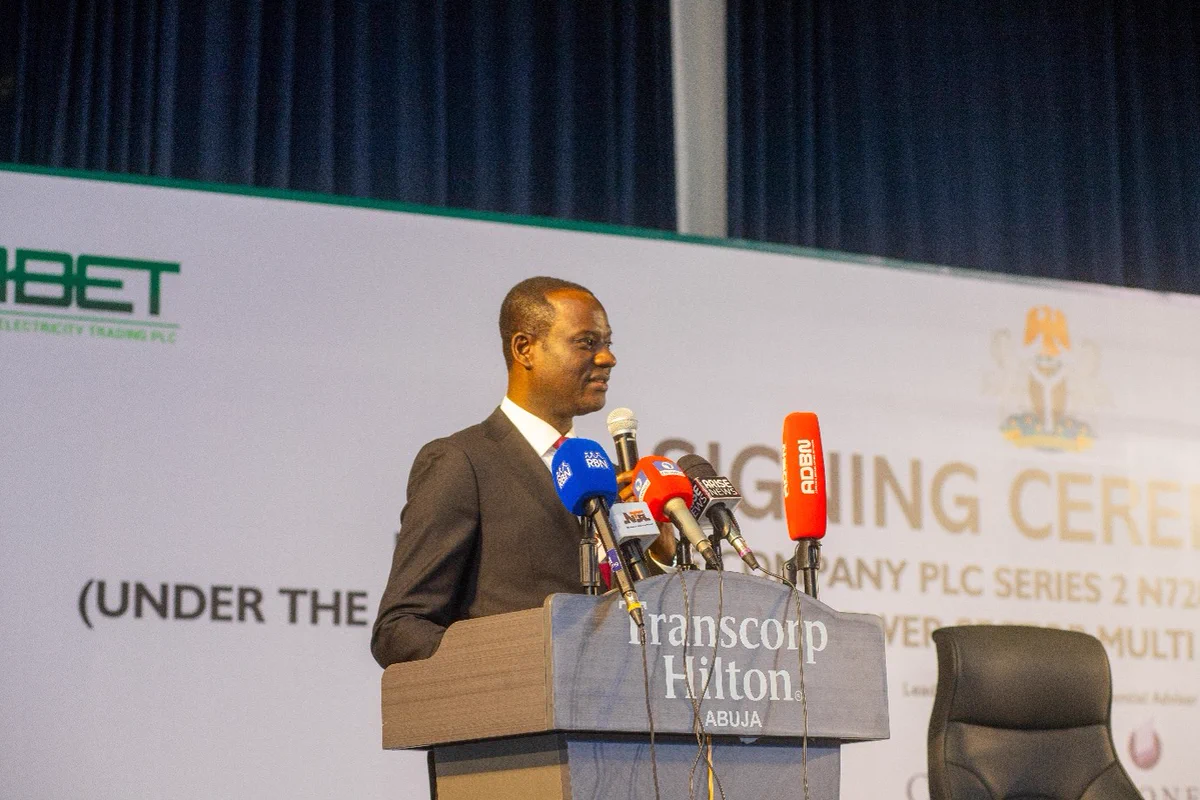
Nigeria begins a tax reform review ahead of the 2027 Finance Bill, with officials targeting implementation gaps, simpler compliance and stronger investment
The Federal Government has begun a fresh tax reform review in Abuja, with Minister of Finance and Coordinating Minister of the Economy Taiwo Oyedele inaugurating a technical subcommittee on Thursday, September 17, 2026, to examine the implementation of Nigeria’s new tax laws and develop recommendations for the 2027 Finance Bill.
Also read: National Tax Revenue Rises to ₦21.6tn — Kaduna Governor

The six-week exercise comes less than a year after four major tax laws took effect on January 1, 2026. The laws include the Nigeria Tax Act 2025, Nigeria Tax Administration Act 2025, Nigeria Revenue Service (Establishment) Act 2025 and Joint Revenue Board (Establishment) Act 2025.
Oyedele said the latest review was not intended to reverse the 2025 reforms but to refine them based on experience from their implementation and changing economic conditions.
“The Finance Bill 2027 should not be seen as just another annual legislative exercise,” Oyedele said. “Our task is not to rewrite the 2025 reforms, but to preserve their fundamental principles while learning from implementation and responding to new economic realities.”
The committee has been asked to identify areas where the new framework has created ambiguity, unintended consequences or unnecessary compliance burdens.
Key areas under consideration include Value Added Tax thresholds, withholding tax, capital gains treatment and multiple taxation.
The wider review will also touch on public financial management, debt, transparency, capital markets and cross-border capital flows.
The government has already received more than 134 submissions through its public consultation process, alongside additional hard-copy submissions.
The contributions came from businesses, investors, professional bodies, civil society organisations, academics and individual citizens.
Some of the proposals seek clearer and simpler tax rules, better coordination among revenue authorities and greater use of digital systems and data sharing to reduce repeated requests for information from taxpayers.
Stakeholders have also raised issues around taxpayer rights, faster refunds, safeguards for small businesses and measures to improve investment and competitiveness in sectors including mining, renewable energy, healthcare and capital markets.
The composition of the technical subcommittee reflects the breadth of the exercise. The body is chaired by the Permanent Secretary of the Federal Ministry of Finance, Raymond Omachi, with Albert Folorunsho, Chairman of the Tax Advisory Committee, serving as co-chair.
Representatives from government institutions, professional organisations and the organised private sector are involved, including the Nigeria Revenue Service, Nigeria Customs Service, Central Bank of Nigeria, Debt Management Office, Budget Office of the Federation, Manufacturers Association of Nigeria, NACCIMA and major accounting firms.
Oyedele has urged the committee to consider the wider economic consequences of proposed changes, particularly for low-income households, workers and businesses.
The minister has also stressed that tax policy should not be judged solely by the revenue it generates, as measures intended to increase collections could create wider costs for businesses and the economy if poorly designed.
The review is therefore expected to balance revenue mobilisation with the need for a simpler and more predictable environment for taxpayers and investors.
“Good reform is a process, not an event,” Oyedele said, arguing that the real test of the changes comes when legislation is interpreted by businesses, implemented by administrators and experienced by citizens.
The committee has six weeks to complete its assignment and submit its recommendations, which are expected to inform the Finance Bill 2027 and related fiscal measures.
The review also comes against a backdrop of increased tax collection
. National Bureau of Statistics data show that Nigeria’s VAT report for the first quarter of 2026 was released on June 11, 2026, providing the latest official quarterly basis for assessing VAT performance under the evolving tax framework.
Also read: National Tax Revenue Rises to ₦21.6tn — Kaduna Governor
The outcome of the tax reform review could consequently have implications for how businesses calculate and remit taxes, how government agencies administer the system and how investors assess Nigeria’s fiscal environment as preparations for the 2027 budget gather pace.


Economy
Governor Dauda Lawal woos investors, highlights Zamfara’s economic opportunities at CEO Forum


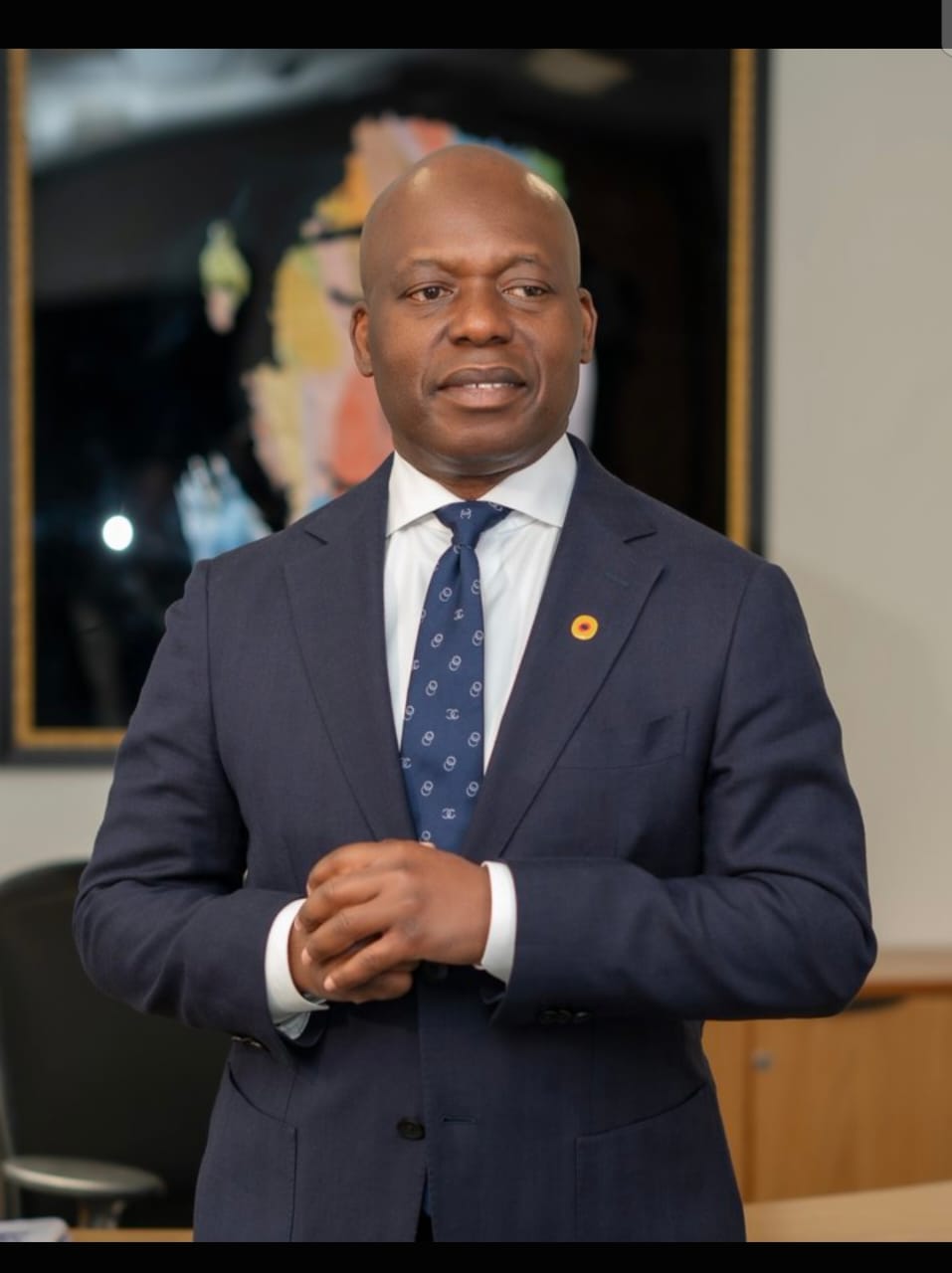
Zamfara State Governor, Dauda Lawal, has called for stronger collaboration between government, businesses and investors to unlock private capital and drive inclusive economic growth in the state.
Lawal made the call while delivering a Special Policy Address at the 2026 CEO Forum organised by the Global Compact Network Nigeria in Lagos.
The forum, held under the theme “Financing a Dignified Future: Aligning Business Action, Policy and Capital,” brought together chief executives, senior government officials, industry leaders, diplomats, trade commissioners and international development partners.
Participants were drawn from key sectors of the economy, including oil and gas, energy, manufacturing, construction and infrastructure.
The governor spoke on the growing competition among states for increasingly selective private capital and the factors that could transform an economic opportunity into an investable proposition.
He explained how his administration was working to bridge the gap between available economic opportunities and investment, with emphasis on building investor confidence while ensuring that investments deliver meaningful outcomes for the people of Zamfara.
According to him, attracting investment requires more than identifying economic opportunities, but also creating the conditions, policies and partnerships capable of giving investors confidence to commit capital.
The forum provided a platform for business leaders, government officials and investors to examine ways of aligning business strategies, public policies and capital deployment to unlock productive investment.
Discussions also focused on identifying businesses, sectors and projects with strong potential but facing difficulties in accessing financing, as well as measures to make such opportunities more attractive to investors.
The organisers also introduced the concept of the “Dignity Dividend,” examining how investment-led growth could translate into better jobs, stronger businesses, increased productivity, local value creation and broader economic participation.
Another key component of the forum was the identification of actionable commitments and partnerships that participating institutions could advance over the next six to 12 months.
Notable speakers at the event included chief executives of First Bank Group, Access Bank, Flour Mills of Nigeria Plc, Nigeria Economic Summit Group, Nigerian Exchange Group, Chellarams Plc, SecureID Group and Greenwich Merchant Bank Plc, among others.
The organisers said the session would culminate in a live showcase of the Business Value and Sustainability Platform (BVSP), described as a standing coalition of business, capital and policy actors designed to sustain the dialogue.
The platform is also expected to contribute to shaping Nigeria’s private-sector engagement during the United Nations General Assembly High-Level Week.
The governor’s participation in the forum comes as Zamfara seeks to strengthen its economic base, attract productive investment and create opportunities that can support sustainable livelihoods and wider participation in the state’s economy.
-
Politics3 years ago
13 Ondo Assembly Members Disown Endorsement of Aiyedatiwa
-
Politics3 years ago
APC Group, Ondo Govt, Quarrel Over Money for Endorsement
-

 Trending News5 years ago
Stop unsavoury, inciting statements – DSS warns
-

 Others5 years ago
Adron Homes Celebrates 10 Years Of Housing Excellence
-

 Humanity5 years ago
President Buhari Commiserates With Ambassador Maureen Tamuno Over The Loss Of Her Father
-

 Others7 years ago
EX- CUSTOMS BOSS, IBRAHIM MERA’S DWINDLING FAME
-

 Business2 years ago
Bigi Carbonated Soft Drinks Treats 40 Consumers to an Epic Easter Movie Hangout
-

 Business2 years ago
Wema Bank Shines at Global SME Finance Forum Conference Awards 2024 …Awarded: • SME Financier of the Year (Africa) • Platinum Award for Best Financier for Women Entrepreneurs (Africa)