
Business
Volkswagen Targets 300,000 Annual Vehicle Exports From China by 2030

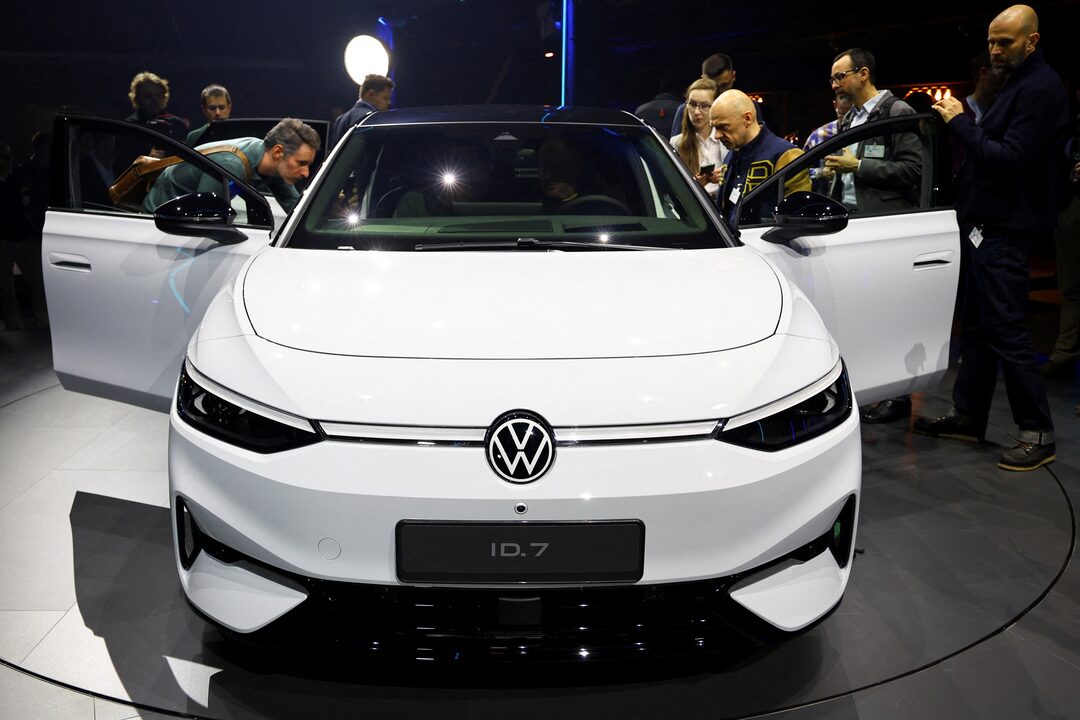
Volkswagen China exports could reach 300,000 vehicles annually by 2030 as the German carmaker expands technology exports and tackles fierce competition
German automotive giant Volkswagen plans to export at least 300,000 vehicles manufactured in China annually by 2030, while expanding the overseas use of technologies developed in the country as it seeks to strengthen its global competitiveness.
Also read: Dani Carvajal Backs Ronaldo to Achieve 1,000 Career Goals

Volkswagen Group’s China chief, Ralf Brandstätter, announced the target on Wednesday during a visit to Hefei, eastern China, where the company operates a major research and development centre.
The plan marks a significant step in Volkswagen’s strategy to use China not only as a major manufacturing and sales market but also as a development and export base for vehicles and automotive technology.
“Together we plan to export at least 300,000 cars a year by 2030 but our ambition goes beyond exporting vehicles,” Brandstätter said.
The company said it would also begin exporting technologies developed in Hefei to markets across Asia, the Middle East and South America. Europe is not included in the initial technology-export plan.
The technologies include the vehicles’ electronic architecture, developed with the support of Chinese electric vehicle manufacturer Xpeng, as well as a vehicle platform and driver-assistance system produced with Horizon Robotics.
Volkswagen hopes the technologies will help it respond more effectively to changing consumer preferences, technological advances and growing competition in international automotive markets.
“What we develop in China makes Volkswagen more competitive around the world,” Brandstätter said.
He added that technologies developed in China were becoming an increasingly important part of the group’s global operations and a strategic advantage for the company.
The announcement comes as Volkswagen faces mounting pressure in China, where domestic manufacturers have strengthened their positions in the electric vehicle market.
Competition from local brands, weaker demand in key markets and the challenges of transitioning to electric vehicles have weighed on the German group’s performance.
China has become a critical battleground for international carmakers, particularly as domestic companies expand their electric vehicle offerings and compete on technology, pricing and product development.
By increasing exports from China, Volkswagen aims to make greater use of its local research capabilities and manufacturing base while distributing development costs across a wider range of markets.
The strategy also reflects a broader shift in the global automotive industry, with manufacturers increasingly relying on regional research centres and partnerships to develop technologies suited to changing market conditions.
Volkswagen’s partnership with Xpeng and its work with Horizon Robotics form part of that approach, allowing the company to draw on Chinese expertise in vehicle electronics, digital architecture and driver-assistance systems.
However, the company continues to face significant financial and operational challenges.
In September, Volkswagen reached an agreement with unions to cut an additional 50,000 jobs by 2030, bringing its planned workforce reduction to approximately 100,000 positions.
The restructuring reflects efforts to reduce costs and improve efficiency as the carmaker navigates difficult market conditions and substantial investment requirements associated with the shift towards electric mobility.
Volkswagen’s difficulties also come amid wider pressure on German automotive manufacturers.
Mercedes-Benz issued a profit warning on Tuesday, joining Volkswagen and BMW in signalling the challenges facing the sector, particularly in China.
The industry is contending with intensifying competition, uncertain demand and the expense of developing new vehicle technologies while maintaining established business operations.
Volkswagen also continues to face reputational consequences from the 2015 diesel emissions scandal, when regulators in the United States uncovered software installed in millions of diesel vehicles to manipulate emissions tests.
Despite these challenges, the planned export expansion suggests that Volkswagen sees its Chinese operations as an important part of its future global strategy.
Also read: Dani Carvajal Backs Ronaldo to Achieve 1,000 Career Goals
Whether the company can reach its annual target of 300,000 vehicles by 2030 will depend on demand in overseas markets, the competitiveness of its products and its ability to translate locally developed technologies into commercial success.



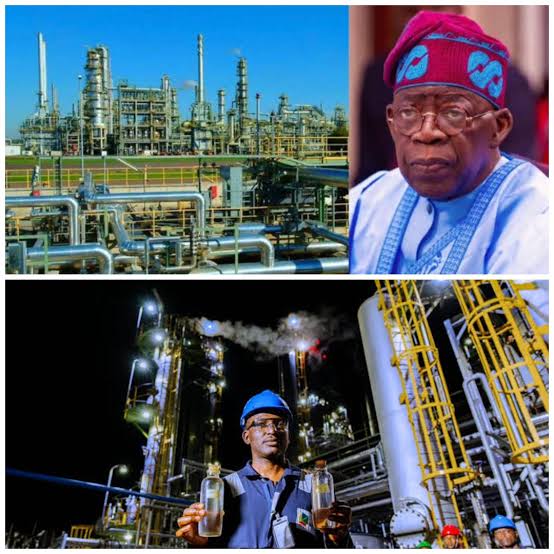
President Bola Tinubu has reaffirmed the Federal Government’s commitment to rehabilitating and repositioning Nigeria’s dormant national refineries, declaring that the facilities will not be allowed to become stranded assets.
Tinubu was represented by the Permanent Secretary of the Ministry of Petroleum Resources, Mrs Patience Oyekunle, at the 20th OTL Africa Downstream Energy Week in Lagos on Monday.
The President said the government is adopting a more rigorous and commercially sustainable approach to the rehabilitation of the Port Harcourt, Warri and Kaduna refineries.
“At the same time, the government remains committed to ensuring that existing national refining assets are not allowed to become stranded investments,” the statement said.
“We are pursuing a more rigorous, commercially sustainable approach to the rehabilitation and repositioning of our refineries, supported by technical assessment, stronger partnerships, and improved operational discipline.”
The objective, according to the administration, is for Nigeria to refine more of its crude oil, create greater domestic value and become a reliable supplier of energy to Africa.
The national refineries, managed by the Nigerian National Petroleum Company Limited (NNPC), have remained largely inactive for years despite significant spending on turnaround maintenance. The NNPC has signed a memorandum of understanding with Chinese firms as part of ongoing efforts to revive the facilities.
Tinubu also noted the contribution of private refining capacity, particularly the Dangote Refinery, which has reached its 650,000 barrels-per-day nameplate capacity, in strengthening Nigeria’s prospects of becoming a net exporter of refined petroleum products.

-
Politics3 years ago
13 Ondo Assembly Members Disown Endorsement of Aiyedatiwa
-
Politics3 years ago
APC Group, Ondo Govt, Quarrel Over Money for Endorsement
-

 Trending News5 years ago
Stop unsavoury, inciting statements – DSS warns
-

 Others5 years ago
Adron Homes Celebrates 10 Years Of Housing Excellence
-

 Humanity5 years ago
President Buhari Commiserates With Ambassador Maureen Tamuno Over The Loss Of Her Father
-

 Others7 years ago
EX- CUSTOMS BOSS, IBRAHIM MERA’S DWINDLING FAME
-

 Business3 years ago
Bigi Carbonated Soft Drinks Treats 40 Consumers to an Epic Easter Movie Hangout
-

 Business2 years ago
Wema Bank Shines at Global SME Finance Forum Conference Awards 2024 …Awarded: • SME Financier of the Year (Africa) • Platinum Award for Best Financier for Women Entrepreneurs (Africa)