
Uncategorized
Smelly Lagos: Gbadebo, You Need a Breather


By Victor Ojelabi

On March 17, 2025, the commissioner for Environment and Water Resources, Barr. Tokunbo Wahab, in his usual effort to keep Lagosians informed about the ministry’s activities, shared a video of an environmental terrorist caught in the act by the task force attached to the ministry.
From her conversation with the task force officer, the offender, identified as Nwankwo Patience, confessed that she regularly transported her household waste to her school—possibly as a teacher—to dump it indiscriminately. Unfortunately for her, she was caught this time.
Shockingly, Patience resides in a three-story building where not a single bin exists for all occupants to dispose of their waste properly.
The consequences of this negligence are severe, contributing to environmental hazards such as flooding and pollution. However, that is not the focus here.
Her case is just one of many that complicate the Lagos State government’s battle against erosion, flooding, and sanitation challenges.
The March 13, 2025, incident points out a critical reality: environmental protection is not solely the responsibility of the government but requires deliberate efforts from citizens.
Lagosians must reject environmental terrorism and resist the temptation to participate in it.
An insider at Alausa confirmed that the objective of sharing such videos is to sensitize Lagos residents about the dangers of indiscriminate waste disposal, including both health and environmental risks.
Any well-meaning Lagosian would commend the commissioner’s commitment to ridding the state of floods and contamination.
However, rather than supporting this effort, some disgruntled politicians seek to exploit every incident for political gain.
Enter Gbadebo Rhodes-Vivour, an emergency Lagos patriot who rode on a 2020 political ruse to gain relevance in the state’s political space. True to his pattern, he seized on this incident to push his narrative.
Gbadebo, known for spreading misinformation and stoking disaffection among Lagosians, responded to Wahab’s post by twisting the entire incident into a tribal issue. He accused the commissioner of bigotry and claimed that Lagos “deserves excellence, not excuses.”
He then proceeded to showcase some solutions to the state’s environmental challenges while reinforcing his claim that “Lagos stinks.”
To many Lagosians, Gbadebo is just another social media content creator. True to its characteristic approach to genuine concerns, the Ministry of Environment responded by outlining the state’s ongoing efforts.
According to the government, tackling waste and sanitation in a rapidly growing megacity like Lagos requires structured solutions—not soundbites or political propaganda.
Rather than ‘smelling’, Lagos is evolving—toward sustainable waste management, modernized landfill systems, cleaner waterways, and structured sanitation policies.
So beyond the noise of political opportunists and agenda-driven actors on social media, what is the Lagos government really doing?
Lagos generates over 13,000 tonnes of waste daily, requiring an advanced waste management strategy.
The Lagos Waste Management Authority (LAWMA) has intensified waste collection across all 377 wards, recalibrated routes for efficiency, and deployed 150 waste trucks with over 200 public waste bins.
To serve hard-to-reach areas, LAWMA has introduced tricycle compactors on a pay-as-you-go model, with 500 more units planned for later in 2025.
In line with Governor Babajide Sanwo-Olu’s THEMES+ agenda, Lagos will close Olusosun and Solous 3 landfills within 18 months, transitioning them into modern Transfer Loading Stations (TLS) for waste sorting and recycling.
A major step in sustainability is the Waste-to-Energy (WTE) plant in Epe, set to process 2,500 tonnes of waste daily and generate 60–80 megawatts of electricity.
This initiative aligns with the state’s commitment at COP28 to reduce methane emissions.
The Ikosi-Ketu Biogas Plant upgrade, launching in May 2025, will power market cold rooms using organic waste.
Lagos is also promoting a circular economy by banning styrofoam and phasing out single-use plastics.
Strategic partnerships with firms like Jospong Group, Harvest Waste, and Lafarge Geocycle are advancing waste recycling, electronic waste processing, and plastic-to-oil conversion.
Waterways pollution is being tackled through LAWMA Marine Waste Operations, which involves dredging, debris collection, and the installation of river booms.
Industrial effluent discharge has dropped by 25%, thanks to LASEPA’s enforcement of wastewater regulations.
To curb open defecation, Lagos is constructing 150 new public toilets in 2025, with an additional 250 under public-private partnerships. More than 1,710 public toilets are already in place across the state.
The introduction of solar-powered and self-cleaning toilets further enhances public sanitation.
Lagos is investing in climate resilience through urban greening, tree planting, and air quality monitoring.
Over 50 air quality monitors track pollution, and initiatives like converting fish processing kilns from firewood to gas are improving air standards.
The “Trees for Lagos” campaign aims to plant 50,000 trees in two years to enhance environmental sustainability.
These efforts position Lagos as a leader in sustainable waste management, environmental protection, and climate resilience in Africa.
For Gbarebo and his co-travelers, they need to take a breather and give true lovers of Lagos a break; the state is in good hands.


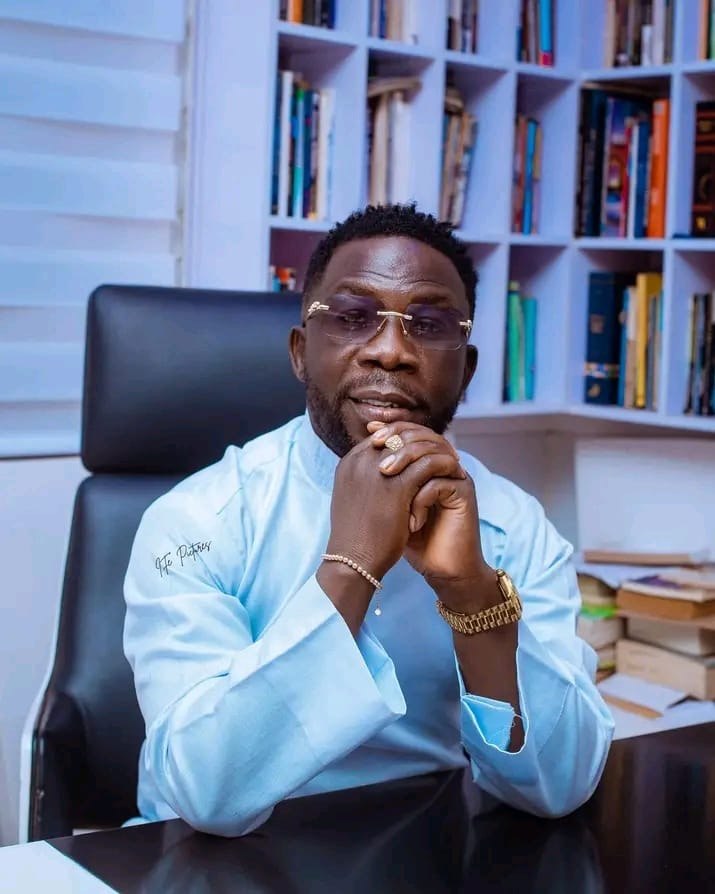
Prophet Israel Oladele of the Celestial Church of Christ, Genesis Global International Parish, has unveiled plans for the Luli Prayer Conference 2026, calling on members of the Celestial Church of Christ worldwide to embrace peace, unity and fervent prayers for Nigeria.
The Global Prophet made the announcement during a media briefing in Lagos, where he highlighted the spiritual significance of September 29, the founding day of the Celestial Church of Christ worldwide, describing it as a moment for thanksgiving, renewal and collective intercession.
According to him, this year’s conference will hold on September 29, 2026, at Genesis Global City, Alakuko, Lagos, bringing together Celestials, Christians and people of other faiths for a day of worship and prayer.
Prophet Oladele said the 2026 edition would place particular emphasis on praying for Nigeria as the country approaches another election cycle.
He noted that the church has a divine responsibility to continually seek God’s intervention for the nation’s peace, stability and progress, adding that the conference would extend beyond celebration to become a platform for prayers for Nigeria and the world.
“The Luli Prayer Conference is not just a celebration; it is a divine gathering where we unite in thanksgiving and seek God’s intervention for our nation and humanity,” he said.
The cleric also made a passionate appeal for unity within the Celestial Church of Christ, urging members across different parishes and regions to recognise their shared spiritual heritage.
He stressed that all Celestials are bound together by the legacy of the church’s founder, Reverend Samuel Bilewu Joseph Oshofa, whose vision continues to define the identity of the worldwide church.
According to Prophet Oladele, differences among members should never overshadow the common foundation laid by the founder, as unity remains essential to preserving the church’s mission.
He described Reverend Oshofa’s legacy as a rallying point capable of bringing together Celestials across the globe, regardless of branch, location or personal differences.
Looking ahead, the Global Prophet announced that the 2027 Luli Prayer Conference would coincide with the 80th anniversary of the Celestial Church of Christ, promising what he described as an “explosive” global celebration.
He said preparations for the landmark anniversary would begin immediately after this year’s conference, with activities expected to unite Celestials from around the world in celebrating eight decades of the church’s existence.
Prophet Oladele reiterated that preserving the unity of the Celestial family remains vital to honouring the vision of Reverend S.B.J. Oshofa and ensuring the continued growth of the church worldwide.
He concluded the briefing by urging members to embrace their shared identity, work together in love and continue praying for the peace and prosperity of Nigeria.
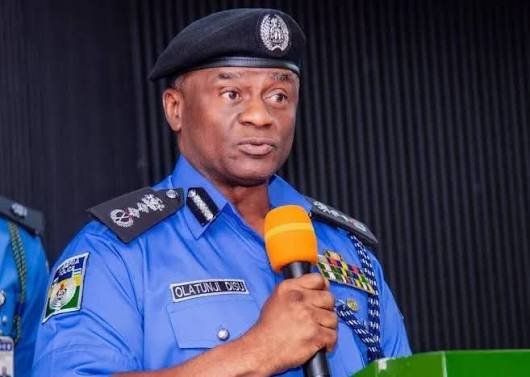
Inspector-General of Police Olatunji Disu has urged Nigerians to exercise restraint when recording police officers, describing the indiscriminate filming of officers as “very, very demoralising” to the force.
Disu made the remarks during a meeting with the leadership of the Nigerian Bar Association in Abuja, where he expressed concern that some Nigerians had begun recording police officers in situations beyond their official duties, including while eating at restaurants.
The IGP, however, acknowledged that citizens have a right to record police officers performing their duties in public. He urged Nigerians not to use such recordings to turn police encounters into social-media skits or entertainment.
The comments followed a March 17, 2026 judgment by the Federal High Court in Warri, Delta State, which affirmed the constitutional right of Nigerians to record police officers carrying out their duties in public spaces.
Justice Hyeladzira Nganjiwa, in the judgment, held that citizens could record police officers during stop-and-search operations and other public interactions for purposes including documenting and reporting their conduct.
The court also held that officers should wear visible identification, including their names and force numbers, while carrying out public duties.
The judgment further restrained police officers from harassing, intimidating or arresting citizens simply for recording their activities in public, or confiscating their devices for that reason.
The court awarded ₦5 million in damages over the violation of the applicant’s fundamental rights and a further ₦2 million in litigation costs.
The case was filed by lawyer Maxwell Nosakhare Uwaifo, who said he attempted to record an encounter with men he believed to be police officers during a stop-and-search operation along the Sapele Roundabout while travelling from Benin to Warri in May 2025.
According to the case, the officers allegedly threatened to arrest him and demanded that he stop recording. Uwaifo argued that citizens have a constitutional right to document the conduct of law enforcement officers performing public duties.
The court’s ruling established a distinction between legitimate documentation of police activity and physical interference with police operations. Citizens can record officers carrying out their duties in public, but the right does not extend to obstructing or interfering with lawful police operations.
Following the IGP’s recent comments, the Nigeria Police Force clarified that Disu was not seeking to ban citizens from recording officers.
Force New Media Officer Aliyu Giwa said the concern was about the misuse of recordings, particularly when police encounters are deliberately turned into entertainment or used to ridicule officers.
Giwa said responsible recording could benefit both citizens and police officers by providing evidence in cases of alleged misconduct while also helping to protect officers against false allegations.
The controversy has therefore centred on how the constitutional right should be exercised, rather than whether citizens possess the right to record police officers in public.
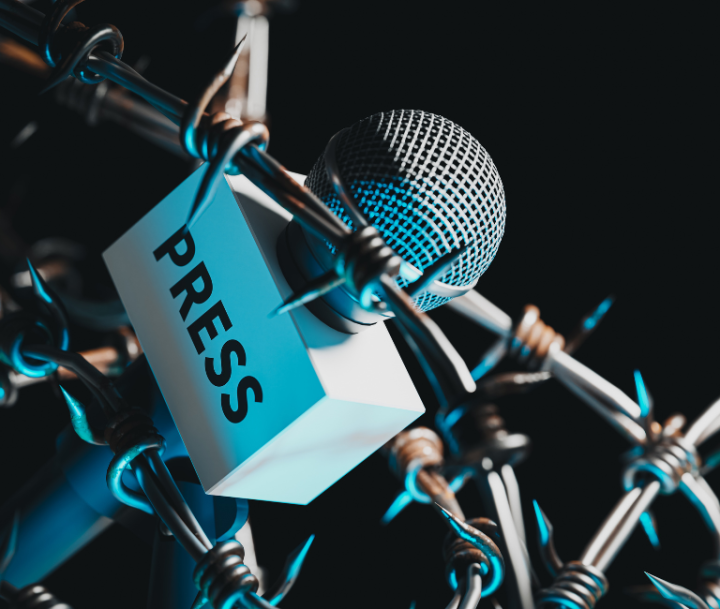
Nigeria’s press freedom environment remains under significant pressure, with journalists and other citizens facing arrests, harassment, intimidation and other restrictions on civic participation.
A 2025 Journalism and Civic Space Status Report by the Wole Soyinka Centre for Investigative Journalism documented 245 verified civic-space violations between January and December 2025, based on systematic monitoring of reports from 54 media organisations.
The report, titled Silenced Voices, Shrinking Space: Civic Freedoms Under Pressure, found that state actors were involved in 219 of the 245 incidents, with the Nigeria Police Force linked to 118 of those cases.
The violations covered more than attacks on journalists alone. They included restrictions affecting citizens, journalists and broader democratic participation, with arrests, detention, harassment and other administrative, legal and institutional measures among the documented forms of infringement.
The report recorded 145 non-violent incidents, representing 59.2 per cent of the total. Arrests accounted for 49 of those cases, while detention accounted for 21 and harassment for 15.
The findings also highlighted difficult working conditions for journalists, with stakeholders raising concerns about threats from state actors, politicians and political party agents.
Participants at a stakeholder dialogue accompanying the report’s presentation also pointed to low pay, insecure employment and economic dependence within parts of the media industry as factors that can weaken journalists’ ability to resist pressure and report independently.
A separate 2025 annual report by Media Rights Agenda documented 86 incidents involving attacks against journalists, media organisations and freedom of expression rights across 27 states and the Federal Capital Territory.
The report recorded arrests and detention as the most common form of violation, with 38 cases. It also documented 21 cases of assault and battery, as well as two killings, one involving a journalist who was killed in the line of duty.
The Nigeria Police Force was identified as the alleged perpetrator in 41 of the 86 cases recorded by Media Rights Agenda, accounting for nearly half of the incidents in its dataset. The organisation also said none of the documented cases resulted in a successful investigation or prosecution of perpetrators.
The wider picture is also reflected in international press freedom assessments. Reporters Without Borders currently describes Nigeria as one of West Africa’s most dangerous and difficult countries for journalists, citing monitoring, attacks and arbitrary arrests. Its 2026 World Press Freedom Index placed Nigeria 112th out of 180 countries, compared with 122nd in 2025.
The Committee to Protect Journalists has similarly documented arrests, attacks and harassment involving journalists in Nigeria. In a 2026 letter to President Bola Tinubu, the organisation said it had documented numerous cases of journalists being detained and mistreated, while also citing data from Nigerian press freedom organisations.
The WSCIJ report warned that the pressure on civic space has implications beyond individual journalists, as restrictions on expression and public participation can weaken accountability and democratic engagement.
-
Politics3 years ago
13 Ondo Assembly Members Disown Endorsement of Aiyedatiwa
-
Politics3 years ago
APC Group, Ondo Govt, Quarrel Over Money for Endorsement
-

 Trending News5 years ago
Stop unsavoury, inciting statements – DSS warns
-

 Others5 years ago
Adron Homes Celebrates 10 Years Of Housing Excellence
-

 Humanity5 years ago
President Buhari Commiserates With Ambassador Maureen Tamuno Over The Loss Of Her Father
-

 Others7 years ago
EX- CUSTOMS BOSS, IBRAHIM MERA’S DWINDLING FAME
-

 Business2 years ago
Bigi Carbonated Soft Drinks Treats 40 Consumers to an Epic Easter Movie Hangout
-

 Business2 years ago
Wema Bank Shines at Global SME Finance Forum Conference Awards 2024 …Awarded: • SME Financier of the Year (Africa) • Platinum Award for Best Financier for Women Entrepreneurs (Africa)