
Politics
Four Lawmakers Defect to APC Amid Party Crisis

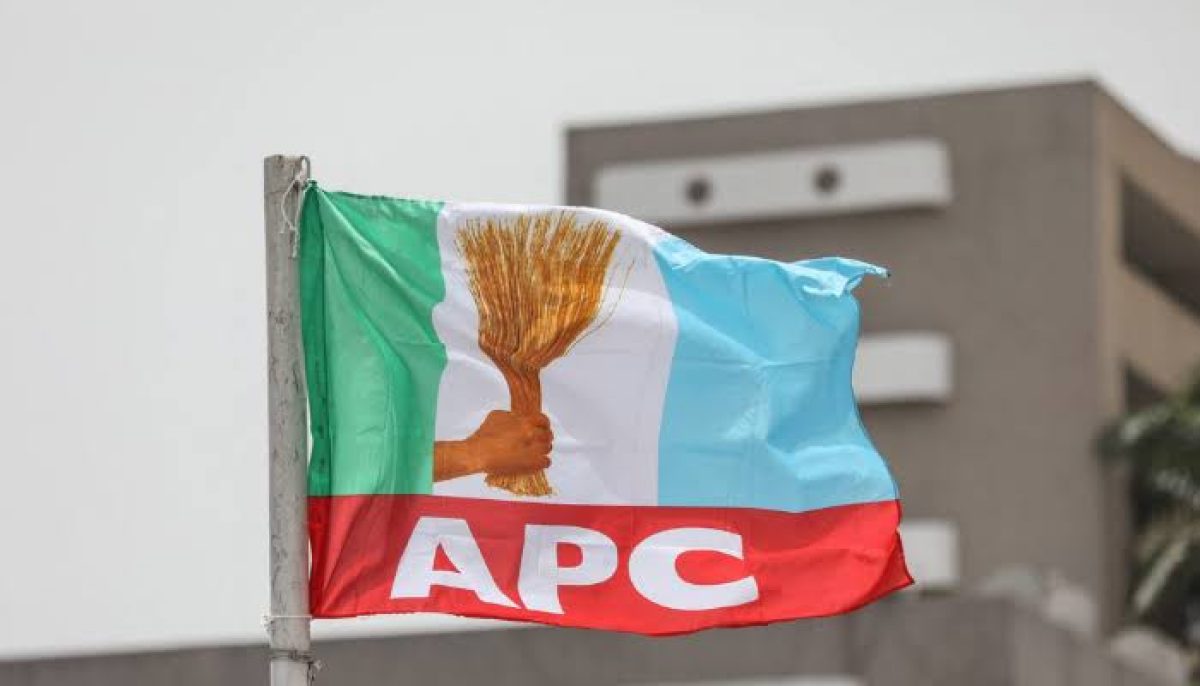
Four Rivers State lawmakers join APC following prolonged PDP and Labour Party crises, strengthening the party’s House numbers

Four lawmakers, including three close allies of Rivers State Governor Siminalayi Fubara, have officially defected to the All Progressives Congress (APC), citing unresolved crises in the Peoples Democratic Party and Labour Party.
Also read: Court Asked To Restrain FG From Interfering with NAFDAC Enforcement of Sachet Alcohol Ban
The defectors are Boniface Emerengwa, Boma Goodhead, and Awaji Nombet Abiante from the PDP, and Manuchin Umezuruike from the Labour Party.
Their letters of defection were formally read at plenary on Thursday by the Speaker of the House, Abbas Tajudeen.
Abiante and his PDP colleagues, described as loyalists of Governor Fubara, said the prolonged internal crisis in their former party left them with no option but to join the APC.
Umezuruike said his decision to leave the Labour Party was due to lingering litigations, stressing that the move was motivated by the interests of his constituents rather than personal gain.
The defection raises the APC’s membership in the House to approximately 250 lawmakers, enhancing the party’s influence in the legislature.
Observers noted the timing as strategic, coming amid ongoing political realignments ahead of upcoming elections.
Political analysts have described the defections as a powerful signal of the APC’s growing appeal in Rivers State, reflecting both dissatisfaction within opposition ranks and the allure of a more stable political platform.
Also read: Court Asked To Restrain FG From Interfering with NAFDAC Enforcement of Sachet Alcohol Ban
The lawmakers’ decision was met with applause from APC members present at plenary, highlighting the human element of reassurance and optimism within the party ranks.




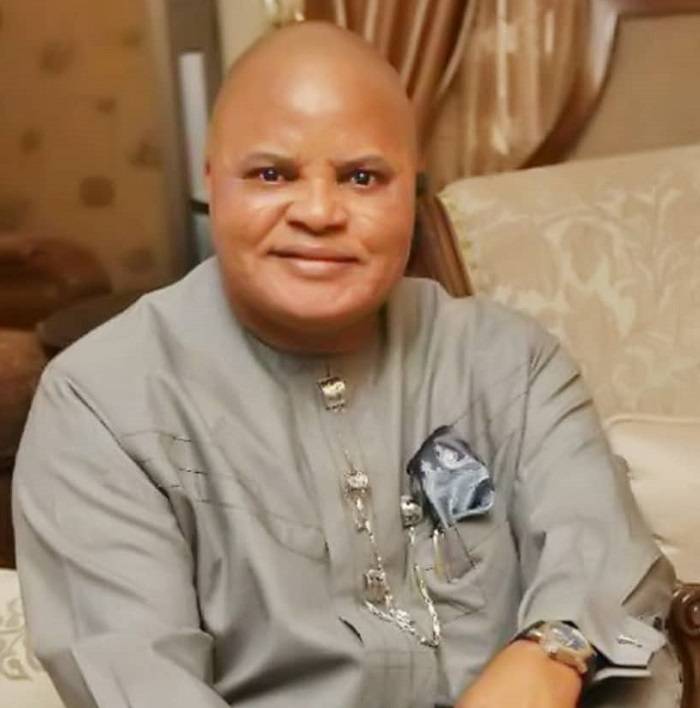
A group, the Imo First Group (IFG) has described the purported Magistrate court order to arrest Senator Ifeanyi Araraume and the former governor of Imo State, Rochas Okorocha, over alleged criminal conspiracy and forgery, as a ruse and fake news
The group stated this in a statement issued on Saturday in Abuja.
IFG challenged those peddling the fake news to make the court order public.
The statement reads ” The fabricated and concocted story was first posted on social media by Hon. Ambrose Nwaogwugwu, a media aide to Governor Hope Uzodimma, before it was picked up by other media outfits, including Arise TV.
According to the statement, those behind the report claimed that a Senior Magistrate Court sitting in Abuja issued a Bench Warrant dated September 9, 2026, following a petition written by the Resident Electoral Commissioner (REC) in Imo State, Barr. Chukwuemeka Ibejiako, to the Police and DSS on October 8, 2026, over alleged presentation of fake APC primary results.
The Group debunked the existence of any such order.
“We want to state categorically and unequivocally that no jSenior Magistrate ordered or issued any bench warrant for the arrest of Araraume”
IFG however challenged anyone in possession of the purported court order to publish it.
“If you claim to have a court order present same for the public to see,
“This fabricated bench warrant contain in the report is filled with inconsistencies, the bench warrant was dated September 9, 2026, while the REC’s petition that supposedly triggered it was dated October 8, 2026, with case number CR/M/084/2026.
The statement further stated that the purveyors and harbinger of the fake news tried to trick the magistrate via exparte order but was rebuked
“The magistrate bluntly refused to grant their exparte and threatened to arrest them, yet they carried their falsehood about. What’s the problem of occupants of office that never won free and fair elections and tried to destroy reputable Imo sons that have won elections. We challenge anyone in this macabre surugede dance to show the court order or warrant of arrest. It’s preposterous to blackmail decent Imo sons on the altar of dirty politics.”
-
Politics3 years ago
13 Ondo Assembly Members Disown Endorsement of Aiyedatiwa
-
Politics3 years ago
APC Group, Ondo Govt, Quarrel Over Money for Endorsement
-

 Trending News5 years ago
Stop unsavoury, inciting statements – DSS warns
-

 Others5 years ago
Adron Homes Celebrates 10 Years Of Housing Excellence
-

 Humanity5 years ago
President Buhari Commiserates With Ambassador Maureen Tamuno Over The Loss Of Her Father
-

 Others7 years ago
EX- CUSTOMS BOSS, IBRAHIM MERA’S DWINDLING FAME
-

 Business2 years ago
Bigi Carbonated Soft Drinks Treats 40 Consumers to an Epic Easter Movie Hangout
-

 Business2 years ago
Wema Bank Shines at Global SME Finance Forum Conference Awards 2024 …Awarded: • SME Financier of the Year (Africa) • Platinum Award for Best Financier for Women Entrepreneurs (Africa)