Business
ECOWAS Energy Information System Workshop to strengthen regional energy data integration

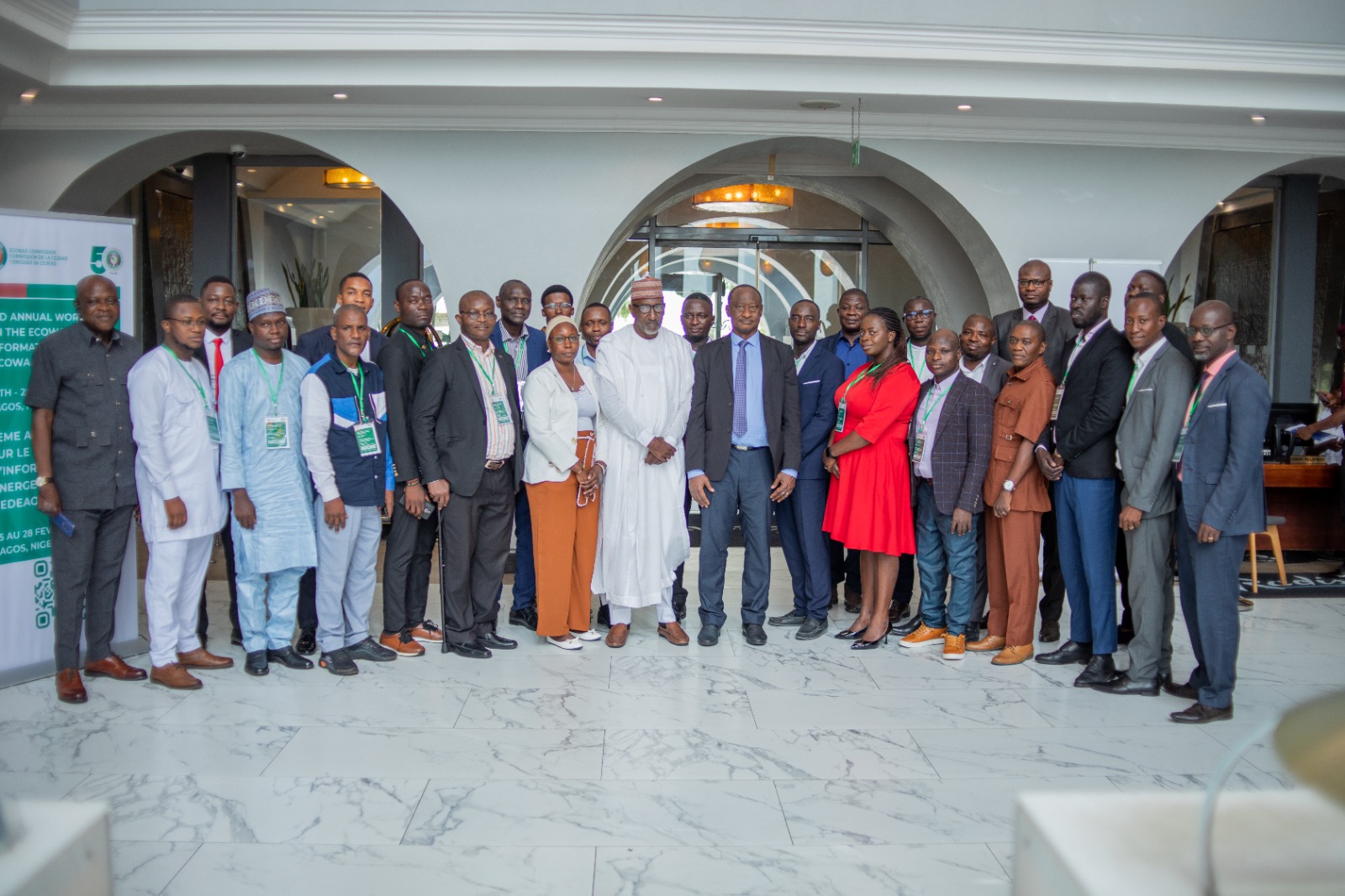
The 3rd annual workshop on ECOWAS Energy Information System is underway in Lagos, bringing together representatives from ECOWAS member states, ECOWAS specialised energy agencies (WAPP, ECREEE) and ECOWAS Directorate of Energy and Mines to enhance energy data management and integration across the region.

The four-day workshop, running from 25 to 28 February 2025, aims to reinforce Member states capacity, and improve the quality of energy data at national and regional level in order to address challenges in gathering energy statistics on supply, usage, and availability in West Africa.
The ECOWAS Energy Information System (ECOWAS-EIS) was launched on 24 March 2023 in Bissau, Guinea-Bissau, to ensure the reliable collection, storage, and dissemination of energy data. ECOWAS developed this digital platform to better guide policymakers, investors, and researchers with accurate energy information.
Speaking at the opening event, the Director of Energy and Mines at the ECOWAS Commission, Dabire Bayaornibè, highlighted the progress made in harmonising energy data collection.
He noted that before the implementation of the ECOWAS-EIS, many member states lacked access to comprehensive energy information. Now, data on electricity access, energy production and consumption, energy infrastructure, energy efficiency etc. are available, enabling effective monitoring and planning.
“In previous years, several member states struggled to track energy usage and outages. Today, through ECOWAS-EIS, we are improving access to accurate data, enhancing national energy information systems, and strengthening regional integration,” Bayaornibè said.
Nigeria has already set an example by launching its National Energy Information System (NEIS) in October 2024 following a support from ECOWAS Commission through development of the computerized data collection system and training of national actors. The system provides real-time energy data, aiding the government and private sector in decision-making.
Bayaornibè stated that ECOWAS aims to replicate Nigeria’s success across other member states.
The Director-General of the Energy Commission of Nigeria, Dr Mustapha Abdullahi, represented by the Director of Energy Utilisation & Management, Engr. Mohammed Adam Mundu, described the workshop as a crucial step in consolidating three years of effort towards a unified ECOWAS Energy Information System.
“The first workshop, held in Accra, Ghana, in 2022, provided an assessment of our energy information system. Côte d’Ivoire hosted the second edition in 2023, leading to improvements in data quality. This third workshop in Lagos now focuses on consolidating our progress and expanding the system across Member States,” he said.
Guinea-Bissau’s Director of Energy Planning and Statistics, Mohammadu Saido Baldi, emphasised the importance of knowledge sharing.
He noted that learning from the experiences of other nations would help improve Guinea-Bissau’s national energy database.
“A well-structured energy information system is essential for developing informed policies and achieving long-term energy security,” Baldi stated.
The ECOWAS Energy Information System workshop aligns with Priority Action 1.6 of the updated ECOWAS Energy Policy, which aims to improve governance and performance in the energy sector by enhancing data access and harmonisation.
The initiative also supports the development of the West African Power Pool and the African Atlantic Gas Pipeline, further strengthening regional energy integration and economic growth.
By ensuring a consolidated and reliable regional energy information system, ECOWAS is reinforcing its commitment to achieving Sustainable Development Goal 7 (SDG7) – access to affordable, reliable, sustainable, and modern energy for all.


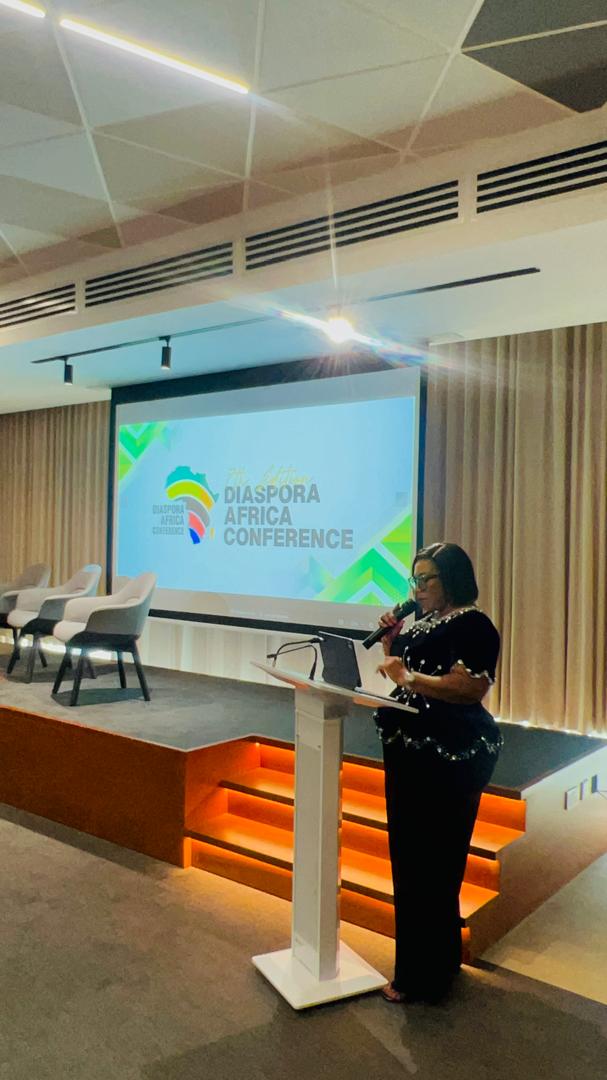
AICL GMD Maureen Tamuno calls for stronger diaspora investment in Africa through trust, transparency, skills transfer and sustainable partnerships

-
Politics3 years ago
13 Ondo Assembly Members Disown Endorsement of Aiyedatiwa
-
Politics3 years ago
APC Group, Ondo Govt, Quarrel Over Money for Endorsement
-

 Trending News5 years ago
Stop unsavoury, inciting statements – DSS warns
-

 Others5 years ago
Adron Homes Celebrates 10 Years Of Housing Excellence
-

 Humanity5 years ago
President Buhari Commiserates With Ambassador Maureen Tamuno Over The Loss Of Her Father
-

 Others7 years ago
EX- CUSTOMS BOSS, IBRAHIM MERA’S DWINDLING FAME
-

 Business2 years ago
Bigi Carbonated Soft Drinks Treats 40 Consumers to an Epic Easter Movie Hangout
-

 Business2 years ago
Wema Bank Shines at Global SME Finance Forum Conference Awards 2024 …Awarded: • SME Financier of the Year (Africa) • Platinum Award for Best Financier for Women Entrepreneurs (Africa)