
News
FG Lifts Petrol Import Ban as Nigeria Approves New Licences Amid Supply Concerns

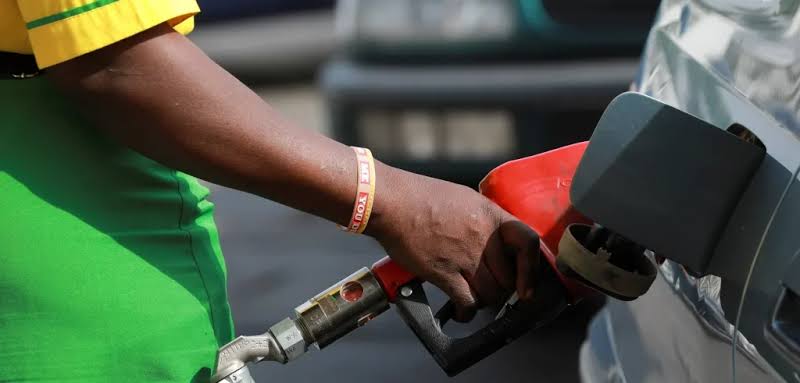
FG lifts petrol import ban in Nigeria, granting new licences to marketers to address fuel supply shortages amid Middle East crisis and rising demand
The Federal Government has lifted its restriction on petrol importation, approving new licences for oil marketers in a move aimed at addressing emerging fuel supply challenges across the country.

The petrol import ban Nigeria lifted decision comes amid concerns over disruptions in global supply chains linked to geopolitical tensions in the Middle East, which have impacted fuel availability.
Also read: FG to Deploy Youths, Retired Soldiers in Nationwide Demining Operations
According to reports, the Nigerian Midstream and Downstream Petroleum Regulatory Authority (NMDPRA) has issued import licences covering approximately 180,000 metric tonnes of Premium Motor Spirit (petrol) to selected marketers. The development marks a shift from earlier policy positions that had temporarily suspended import permits.
The approved marketers include Bono Energy, Pinnacle, AYM Shafa, Matrix, A.A. Rano, and Nipco, each expected to import about 30,000 metric tonnes of petrol.
Collectively, the imports are projected to add hundreds of millions of litres to national supply, helping to stabilize the downstream market.
The regulator had previously halted petrol import licences earlier in the year, citing improved domestic refining capacity as local production appeared sufficient to meet national demand.
At the time, officials indicated that imports were no longer necessary due to increased output from domestic refineries.
However, the recent global developments prompted a reassessment of supply needs, leading to the reintroduction of import permits as a short-term measure to bridge gaps in distribution and availability.
Industry analysts note that while domestic refining has improved, Nigeria still faces challenges in maintaining consistent fuel supply across all regions.
The temporary reliance on imports is seen as a balancing mechanism to prevent shortages and price volatility.
Energy experts also suggest that maintaining a mix of local production and limited imports could help stabilize the market, especially during periods of global supply uncertainty.
They caution that disruptions in international crude or refined product supply chains can quickly impact domestic availability.
In addition to supply concerns, stakeholders continue to monitor pricing trends at the pump, as fluctuations in global oil markets, exchange rates, and logistics costs influence retail fuel prices across the country.
Also read: FG Launches Nationwide School Internet Connectivity Initiative
The Federal Government’s latest move reflects a pragmatic approach to managing fuel supply in a complex and evolving energy landscape, balancing the push for domestic refining with the realities of global market dependencies.






-
Politics2 years ago
13 Ondo Assembly Members Disown Endorsement of Aiyedatiwa
-
Politics2 years ago
APC Group, Ondo Govt, Quarrel Over Money for Endorsement
-

 Trending News5 years ago
Stop unsavoury, inciting statements – DSS warns
-

 Others5 years ago
Adron Homes Celebrates 10 Years Of Housing Excellence
-

 Humanity5 years ago
President Buhari Commiserates With Ambassador Maureen Tamuno Over The Loss Of Her Father
-

 Others7 years ago
EX- CUSTOMS BOSS, IBRAHIM MERA’S DWINDLING FAME
-

 Business2 years ago
Bigi Carbonated Soft Drinks Treats 40 Consumers to an Epic Easter Movie Hangout
-

 Business2 years ago
Wema Bank Shines at Global SME Finance Forum Conference Awards 2024 …Awarded: • SME Financier of the Year (Africa) • Platinum Award for Best Financier for Women Entrepreneurs (Africa)