Business
Top-Earning African YouTubers Revealed for 2026


Creative Crafts in Five Minutes leads Africa’s highest-earning YouTubers in 2026 with $8.8m, followed by Oum Walid and Mark Angel Comedy

Africa’s digital economy is accelerating rapidly, with YouTube emerging as one of the continent’s most profitable creative platforms.
Also read: Akwa Ibom Indigenes Urge Governor to Prioritise State Development
A 2026 ranking compiled using data from CashNetUSA, based on total lifetime views and estimated advertising revenue from SocialBlade, highlights the highest-earning African YouTubers, excluding musicians.
The estimates apply average YouTube payouts per 1,000 views to total lifetime views.
The result is a diverse list reflecting Africa’s creativity, global appeal and growing digital influence.
Egypt Leads with DIY Powerhouse
Topping the earnings chart is Egypt’s Creative Crafts in Five Minutes, with estimated lifetime earnings of $8.8 million.
The channel specialises in short, visually engaging craft tutorials and life hacks.
Its reliance on visuals rather than language has helped it transcend borders, attracting billions of views globally and securing its position as Africa’s highest-earning YouTube brand.
North Africa’s Culinary Star
In second place is Algeria’s popular cooking channel led by Oum Walid, with estimated earnings of $4.9 million.
Known for affordable, home-style recipes, Oum Walid has built a subscriber base exceeding 14 million.
She maintains her privacy by appearing only through her hands while preparing meals.
Her authenticity and budget-conscious dishes have resonated strongly across North Africa and among diaspora communities.
Nigeria’s Comedy Giant Still Strong
Nigeria’s MarkAngel Comedy ranks third with estimated lifetime earnings of $4.18 million.
Launched in 2013, the platform became the first African comedy channel to surpass one million subscribers.
Its short, relatable skits rooted in everyday African life quickly gained viral traction.
The channel introduced child stars such as Emmanuella Samuel and Success Madubuike, helping to build a loyal fan base across Africa and beyond.
While key personalities have since pursued independent ventures, the brand remains one of Africa’s most recognisable comedy exports.
Regional Voices with Strong Followings
Morocco’s Baraka IBaraka ranks fourth, generating an estimated $2.89 million through humorous portrayals of Moroccan social life.
From Senegal, Hussein and Zeinab have earned $2.3 million, producing family-oriented and relationship content that resonates widely with African audiences.
Uganda’s Masaka Kids Afrikana has generated $1.34 million, showcasing choreographed dance routines performed by children, many of whom have overcome challenging circumstances.
Their inspirational storylines and energetic performances have attracted global viewers.
Lifestyle, Faith and Youth Culture
South Africa’s Michael Jamison has earned an estimated $1.06 million through lifestyle content blending fashion, fitness and personal storytelling.
In Kenya, RUS Love in Action has generated $656,000, combining faith-based outreach with humanitarian initiatives.
Tanzania’s Lil Dancer Chris has built a $644,000 brand through high-energy street dance content aligned with global short-form video trends.
Rwanda’s Kigali Today rounds out the top 10 with $306,000, reflecting rising demand for credible local news content on digital platforms.
YouTube’s Expanding Influence
The ranking highlights more than earnings. It underscores how African creators are shaping narratives, exporting culture and building international audiences without traditional gatekeepers.
From DIY tutorials in Egypt to comedy in Nigeria, family vlogs in Senegal and dance performances in Uganda, Africa’s YouTube economy reflects the continent’s diversity and entrepreneurial innovation.
As internet penetration deepens and smartphone access expands across the continent, YouTube’s economic impact is expected to grow further.
Also read: Rev. Jesse Jackson, Iconic Activist, Dies at 84
If current trends persist, Africa’s next generation of digital millionaires may already be uploading their first videos today.


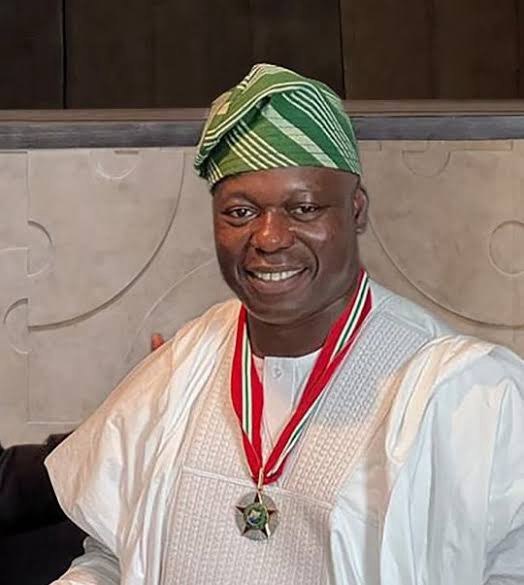
Oando Plc, under the leadership of its Group Chief Executive, Jubril Adewale Tinubu, has recorded a significant improvement in its operating performance, returning to profitability at the operating level as revenue rose to ₦2.78 trillion in the first nine months of 2026.
The indigenous energy company reported revenue of ₦2.776 trillion for the nine months ended September 30, 2026, representing a nine per cent increase from the ₦2.541 trillion recorded during the corresponding period of 2025.
The latest unaudited results, released on October 30, also showed a substantial recovery in gross profit, which increased to ₦174.5 billion from ₦29.8 billion in the previous year.
One of the most notable developments was the company’s return to operating profit. Oando recorded an operating profit of ₦159.7 billion, reversing the operating loss of ₦109.7 billion reported in the corresponding period of 2025.
The improvement reflects stronger performance across its operations, supported by higher production volumes, improved realised prices and the absence of a significant fair value loss recorded in the previous year.
The figures provide an indication of the progress made by the company as it continues to pursue its expansion and operational efficiency objectives under Tinubu’s leadership.
Oando’s production performance also improved during the reporting period. Average daily production increased by 14 per cent to 42,985 barrels of oil equivalent per day, compared with 37,614 barrels in the corresponding period of 2025.
The growth was supported by higher output from crude oil, natural gas and natural gas liquids operations.
The company also reported a 22 per cent reduction in production operating costs, which fell to $15.39 per barrel of oil equivalent from $19.67 recorded a year earlier.
Facility uptime improved to 96.1 per cent from 85 per cent, indicating greater reliability across its production infrastructure.
These improvements reflect the impact of drilling activities, workover programmes and efforts to restore previously constrained facilities. Oando said the measures helped increase production and improve operational efficiency across its enlarged asset base.
During the period, the company generated ₦285 billion in cash from operations and invested ₦110.7 billion in capital expenditure, with a significant portion directed towards drilling activities across its operated OML 60–63 assets.
Its seven-well drilling programme for 2026 also progressed, with two new wells completed and brought on stream, while workovers and additional drilling activities continued.
Oando further reported an improvement in its debt position, with total borrowings declining by 20 per cent from ₦2.70 trillion at the end of December 2025 to ₦2.16 trillion as of September 30, 2026.
Net debt also fell by ₦286 billion to ₦1.99 trillion during the nine-month period.
The reduction forms part of the company’s broader capital management strategy, which is aimed at lowering acquisition-related debt, reducing financing costs and strengthening its balance sheet.
Despite the stronger operating performance, however, Oando’s profit after tax declined by 47 per cent to ₦106.5 billion, compared with ₦201.3 billion recorded in the corresponding period of 2025.
The company attributed the decline largely to the swing from net finance income in the previous year to net finance costs in 2026, alongside the continuing burden of acquisition-related debt.
Its results showed finance costs of ₦244.2 billion during the period, while the company also recognised a tax credit of ₦181.1 billion arising from the reversal of previously recognised tax provisions.
The figures underline the distinction between Oando’s improved operating performance and the financial pressure it continues to face from its debt obligations.
Nevertheless, the return to operating profitability, higher production, lower unit operating costs and declining borrowings represent important developments in the company’s financial and operational position.
For Tinubu, who has remained central to Oando’s corporate transformation, the latest results provide further evidence of the company’s efforts to consolidate its position in Nigeria’s energy industry and expand its presence across Africa.
The company has also outlined plans to continue its seven-well development programme, sustain production reliability and strengthen its financial position through an equity-raising initiative.
With its operating performance improving and debt reduction remaining a priority, Oando’s next challenge will be to translate its production and revenue growth into stronger bottom-line earnings while managing the cost of financing its expansion.

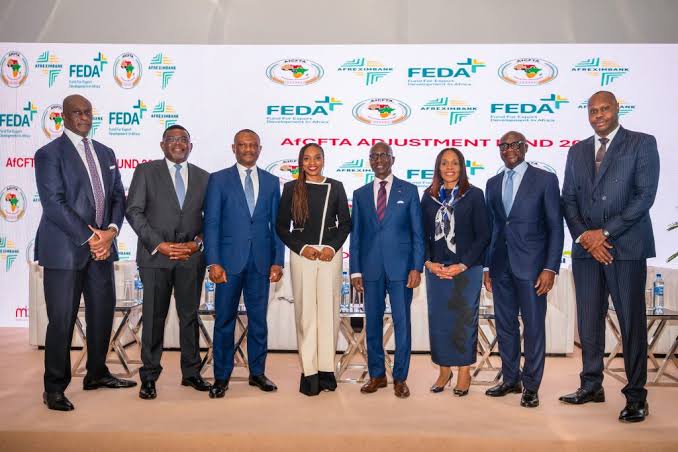
Ehi Braimah urges Afreximbank and AfDB to strengthen Africa’s economic integration through trade finance, infrastructure and industrial investment
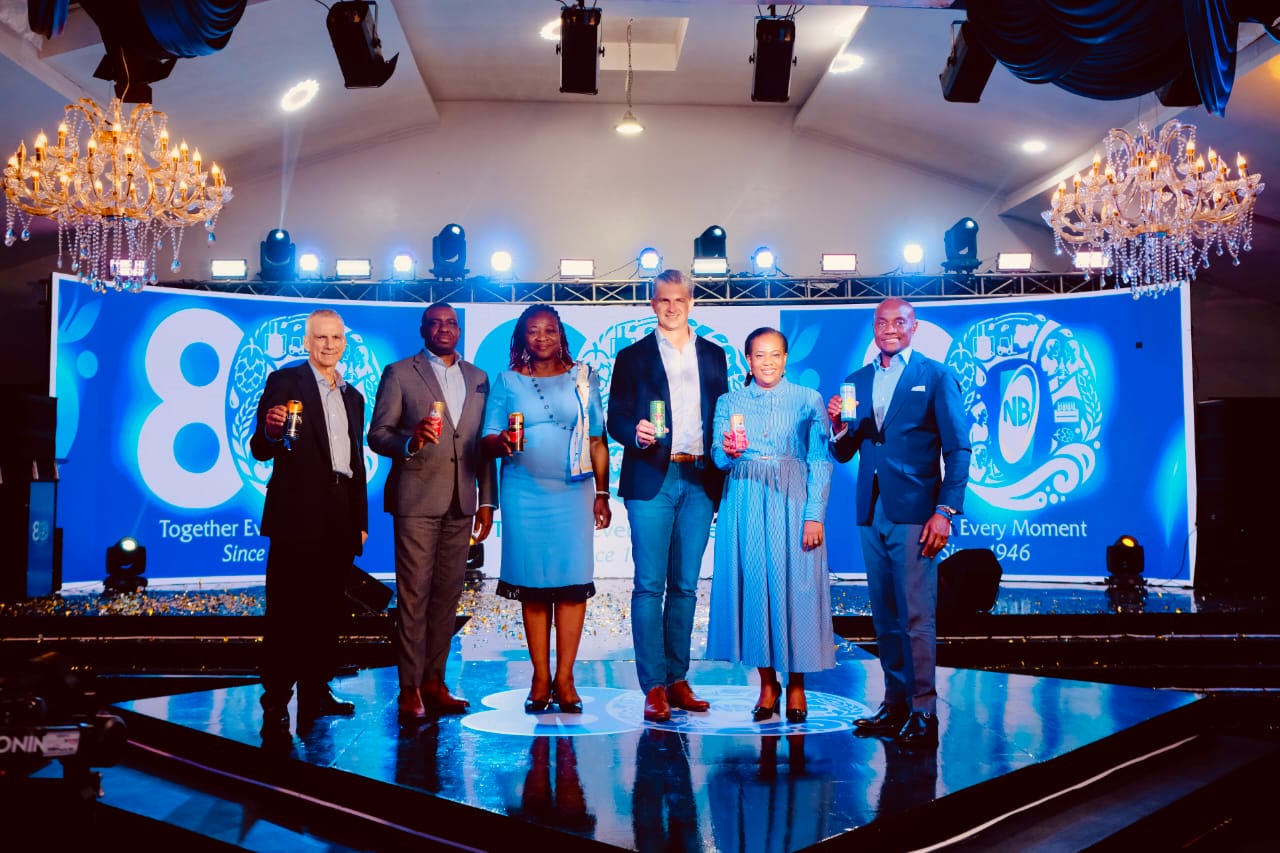
Nigerian Breweries celebrates its 80th anniversary with an N80m consumer reward initiative and the unveiling of Legendary Christmas 2026
-
Politics3 years ago
13 Ondo Assembly Members Disown Endorsement of Aiyedatiwa
-
Politics3 years ago
APC Group, Ondo Govt, Quarrel Over Money for Endorsement
-

 Trending News6 years ago
Stop unsavoury, inciting statements – DSS warns
-

 Others5 years ago
Adron Homes Celebrates 10 Years Of Housing Excellence
-

 Humanity5 years ago
President Buhari Commiserates With Ambassador Maureen Tamuno Over The Loss Of Her Father
-

 Others7 years ago
EX- CUSTOMS BOSS, IBRAHIM MERA’S DWINDLING FAME
-

 Business3 years ago
Bigi Carbonated Soft Drinks Treats 40 Consumers to an Epic Easter Movie Hangout
-

 Business2 years ago
Wema Bank Shines at Global SME Finance Forum Conference Awards 2024 …Awarded: • SME Financier of the Year (Africa) • Platinum Award for Best Financier for Women Entrepreneurs (Africa)