
Trending News
ICPC Recovers N20 Billion in 2024, Warns Corruption is Widespread


ICPC recovers over N20 billion in 2024, highlights widespread corruption at state level, and urges preventive strategies at North Central attorneys’ conference

The Independent Corrupt Practices and Other Related Offences Commission (ICPC) has announced the recovery of over N20 billion and various properties from corrupt individuals in 2024.
Also read: Court rejects objection in N1bn Pinnacle vs ICPC suit, imposes N100,000 fine
The commission’s chairman, Dr Musa Aliyu, disclosed this during an interview in Ilorin, Kwara State, on the sidelines of the North-Central Conference of State Attorneys-General, held to strengthen subnational collaboration against corruption.
Themed “Strengthening Subnational Synergies for Corruption Prevention: Advancing the National Anti-Corruption Strategy in Nigeria’s North Central Region,” the conference attracted key stakeholders in the legal and governance sectors.
Dr Aliyu stressed that corruption is not limited to the federal level but is also deeply rooted at state and local levels. He emphasised that prevention remains the most effective strategy.
“Prevention is more strategic and less costly. If we allow corruption to happen, it becomes very difficult to cure—especially with the slow judicial process in Nigeria. That is why prevention must be prioritised,” he said.
He added that when corruption does occur, the ICPC shifts to enforcement measures, including investigation and prosecution.
He also revealed that the commission is ensuring assets recovered from outside the continent are safeguarded from being re-looted.
“One of the strategies necessary for success in this fight is consistent reassessment, especially as criminal trends evolve and national reforms continue,” he said.
If we allow corruption to happen, it becomes very difficult to cure.
Chairman of the Code of Conduct Bureau (CCB), Abdullahi Bello, who declared the conference open, described corruption as a major barrier to Nigeria’s development.
“Corruption remains a formidable obstacle, eroding public trust, undermining governance, and impeding development,” Mr Bello said, adding that anti-corruption measures at the state level are crucial to achieving national progress.
He announced that the bureau is currently developing an online asset declaration system to improve transparency and simplify compliance for public officials.
Also speaking, Kwara State Attorney-General, Senior Sulyman, praised the ICPC’s role and pledged his state’s commitment to achieving zero tolerance for corruption.
Chairman of the House of Representatives Committee on Anti-Corruption, Hon. Kayode Akiolu, called corruption a longstanding national challenge and assured that the National Assembly remains committed to defeating it.
“Since independence, corruption has hindered Nigeria’s potential. The 10th Assembly has ensured adequate funding for anti-corruption agencies,” he said.
Senator Emmanuel Udende, Chairman of the Senate Committee on Anti-Corruption, urged state Attorneys-General to lead the justice agenda at the subnational level, while the Kwara State Chief Judge, Justice Abiodun Adebara, stressed that the anti-corruption fight must focus on prevention rather than punishment.
“The fight against corruption should not be punitive but preventive, because it poses a threat to the rule of law,” Justice Adebara said.
Also read: Aregbesola: How Interior Ministry Managed 1.5m Applicants For 5,000 NSCDC Jobs; 500 Staff Parading Fake Certificates – Head Of Service
Attorneys-General from Kogi, Plateau, Niger and Nasarawa States were also in attendance, signalling regional commitment to the national anti-corruption strategy.



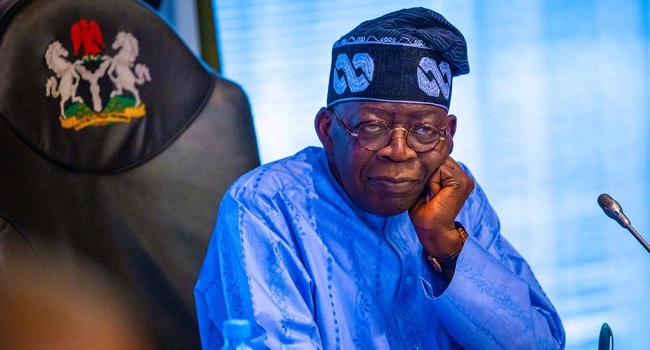
Tinubu audit targets ghost workers and fake agencies as Nigeria confronts costly gaps in payroll, budgets and public-sector governance
News
URGENT APPEAL FOR SUPPORT FOR H.E. ADEBOWALE (DEBO) ADESINA, FORMER NIGERIAN AMBASSADOR TO TOGO.

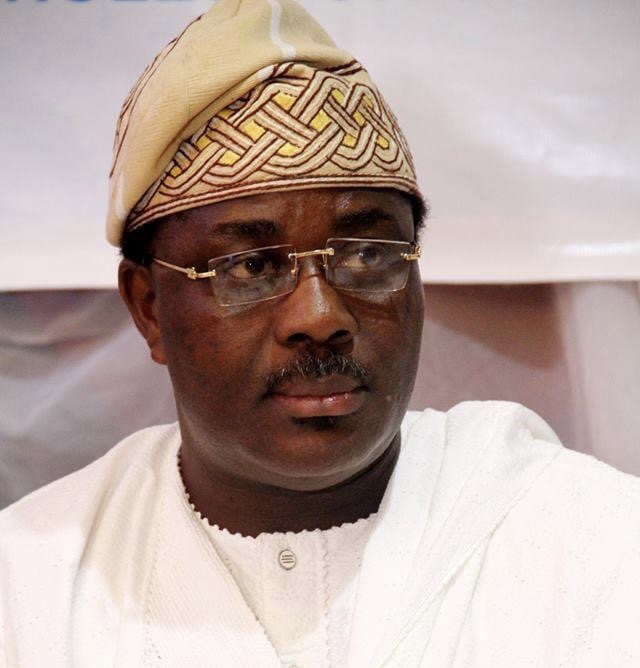
The former Nigerian envoy to Togo has remained hospitalised in Canada after suffering a massive stroke, with outstanding medical bills exceeding CAD $205,000
-
Politics3 years ago
13 Ondo Assembly Members Disown Endorsement of Aiyedatiwa
-
Politics3 years ago
APC Group, Ondo Govt, Quarrel Over Money for Endorsement
-

 Trending News5 years ago
Stop unsavoury, inciting statements – DSS warns
-

 Others5 years ago
Adron Homes Celebrates 10 Years Of Housing Excellence
-

 Humanity5 years ago
President Buhari Commiserates With Ambassador Maureen Tamuno Over The Loss Of Her Father
-

 Others7 years ago
EX- CUSTOMS BOSS, IBRAHIM MERA’S DWINDLING FAME
-

 Business3 years ago
Bigi Carbonated Soft Drinks Treats 40 Consumers to an Epic Easter Movie Hangout
-

 Business2 years ago
Wema Bank Shines at Global SME Finance Forum Conference Awards 2024 …Awarded: • SME Financier of the Year (Africa) • Platinum Award for Best Financier for Women Entrepreneurs (Africa)