
Business
IMF Warns Global Energy Shock Could Fuel Inflation Surge


IMF warns global energy shock from Middle East tensions could fuel inflation and slow growth as oil prices surge above $100 per barrel

The International Monetary Fund (IMF) has warned that escalating tensions in the Middle East and the resulting spike in global energy prices could significantly fuel inflation and weaken economic growth worldwide.
Also read: Akwa Ibom Police Rescue Elderly Man from Fraud Syndicate
The IMF global energy inflation warning comes as crude oil prices surged above $100 per barrel, driven by disruptions to tanker traffic through the Strait of Hormuz, a key global shipping route for energy supplies.
Benchmark Brent crude and West Texas Intermediate have climbed above $105 per barrel, while Murban crude has exceeded $123, reflecting tightening supply conditions as shipping activity in the region remains heavily disrupted.
IMF spokesperson Julie Kozack said the ongoing conflict has already caused substantial interruptions to seaborne oil and natural gas flows, warning that the situation poses growing risks to global economic stability.
She noted that while no member country has formally requested emergency assistance, the IMF stands ready to intervene if needed, adding that the Fund is actively engaging policymakers and financial institutions to monitor developments closely.
According to Kozack, the economic impact will depend heavily on the duration and intensity of the crisis.
She cited IMF modelling which suggests that a sustained 10 per cent rise in energy prices over one year could increase global inflation by around 0.4 percentage points while reducing output by up to 0.2 per cent.
She further warned that prolonged oil prices above $100 per barrel could have “substantial consequences” for both inflation and global growth trajectories.
The IMF also stressed that central banks must remain alert to the risk of broader price pressures spreading beyond energy markets, particularly if inflation expectations begin to drift.
The IMF global energy inflation warning also highlighted potential vulnerabilities in the Gulf Cooperation Council economies, where growth prospects could weaken if oil and gas exports remain constrained.
The Fund said it is closely monitoring the unfolding situation following the escalation of conflict in late February, when strikes on Iranian targets triggered widespread regional instability and disrupted global energy flows.
Also read: MEXC Stock Futures Launch Sparks Positive Trading Revolution with 0 Fees and Top Liquidity
The IMF is expected to incorporate the economic impact of the crisis into its upcoming World Economic Outlook, due for release at the Spring Meetings in April.


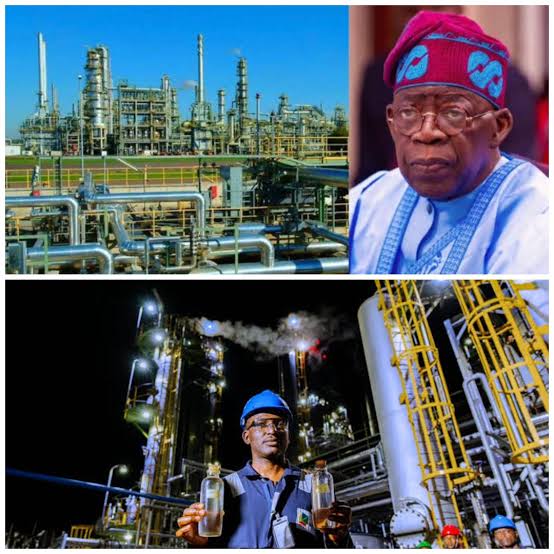
President Bola Tinubu has reaffirmed the Federal Government’s commitment to rehabilitating and repositioning Nigeria’s dormant national refineries, declaring that the facilities will not be allowed to become stranded assets.
Tinubu was represented by the Permanent Secretary of the Ministry of Petroleum Resources, Mrs Patience Oyekunle, at the 20th OTL Africa Downstream Energy Week in Lagos on Monday.
The President said the government is adopting a more rigorous and commercially sustainable approach to the rehabilitation of the Port Harcourt, Warri and Kaduna refineries.
“At the same time, the government remains committed to ensuring that existing national refining assets are not allowed to become stranded investments,” the statement said.
“We are pursuing a more rigorous, commercially sustainable approach to the rehabilitation and repositioning of our refineries, supported by technical assessment, stronger partnerships, and improved operational discipline.”
The objective, according to the administration, is for Nigeria to refine more of its crude oil, create greater domestic value and become a reliable supplier of energy to Africa.
The national refineries, managed by the Nigerian National Petroleum Company Limited (NNPC), have remained largely inactive for years despite significant spending on turnaround maintenance. The NNPC has signed a memorandum of understanding with Chinese firms as part of ongoing efforts to revive the facilities.
Tinubu also noted the contribution of private refining capacity, particularly the Dangote Refinery, which has reached its 650,000 barrels-per-day nameplate capacity, in strengthening Nigeria’s prospects of becoming a net exporter of refined petroleum products.

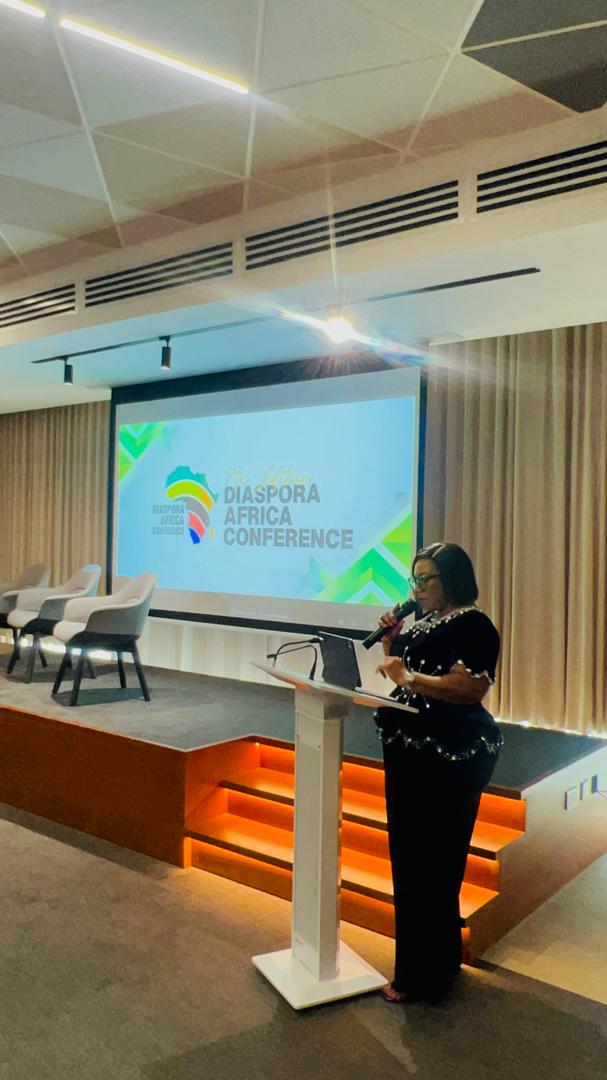
AICL GMD Maureen Tamuno calls for stronger diaspora investment in Africa through trust, transparency, skills transfer and sustainable partnerships
-
Politics3 years ago
13 Ondo Assembly Members Disown Endorsement of Aiyedatiwa
-
Politics3 years ago
APC Group, Ondo Govt, Quarrel Over Money for Endorsement
-

 Trending News5 years ago
Stop unsavoury, inciting statements – DSS warns
-

 Others5 years ago
Adron Homes Celebrates 10 Years Of Housing Excellence
-

 Humanity5 years ago
President Buhari Commiserates With Ambassador Maureen Tamuno Over The Loss Of Her Father
-

 Others7 years ago
EX- CUSTOMS BOSS, IBRAHIM MERA’S DWINDLING FAME
-

 Business3 years ago
Bigi Carbonated Soft Drinks Treats 40 Consumers to an Epic Easter Movie Hangout
-

 Business2 years ago
Wema Bank Shines at Global SME Finance Forum Conference Awards 2024 …Awarded: • SME Financier of the Year (Africa) • Platinum Award for Best Financier for Women Entrepreneurs (Africa)