Connect with us

Economy

NACC Reacts to Tariff Increment, Encourages Diplomatic Trade Negotiations

Published

on

NACC reacts to tariff increment

NACC reacts to tariff increment by urging exporters to seize emerging opportunities in energy minerals and value-added goods amid rising US tariffs

adron lemon friday

NACC reacts to tariff increment with a message of cautious optimism, urging Nigerian exporters to pivot toward untapped global trade opportunities despite a looming 15% US tariff.

Also read: NACC Mission Builds U.S. Ties, Promotes Regional Tastes in ‘Flavours Without Borders’ Campaign

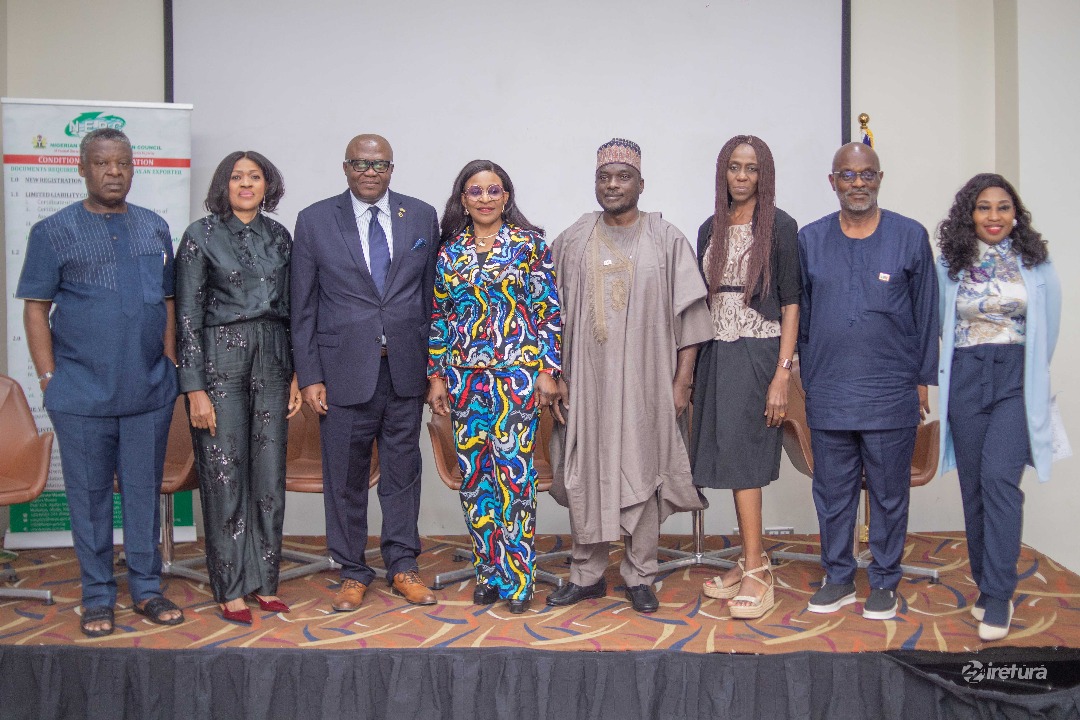
At a roundtable in Lagos on August 20, 2025—hosted collaboratively by the Nigerian‑American Chamber of Commerce (NACC) and the Nigerian Export Promotion Council (NEPC)—top industry voices examined the impact of Washington’s updated tariff policy.

NACC President Sheriff Balogun emphasized the upside amid adversity, highlighting that “some of our products attract lower tariffs than our competitors, and this can help us grow exports”.

Indeed, the 15% levy is prompting a reassessment of export strategy.

While the tariff codifies a tough reality, government officials, such as Trade Ministry adviser Tochukwu Nwachukwu, reassured stakeholders that Nigeria will remain responsive—not reactive, focusing on strategic negotiations and broader market diversification.

Adding to the resilience narrative, NEPC announced that Nigeria’s non‑oil exports surged to $3.225 billion in the first half of 2025, a remarkable 19.6% increase from 2024.

Also read: Col. Sani Bello honoured with lifetime achievement award at NACC gala

Analysts point to several hidden opportunities amid the tariff shock. Key natural resources like lithium, cobalt, and manganese present new export niches, while value addition in the cocoa sector—such as cocoa powder or chocolate—can unlock substantial domestic and regional demand.


67 / 100 SEO Score

Economy

Prof. Kareem Urges Efficient Resource Management for Nigeria’s Development

Published

on

By

By Daniel Oluwatobiloba Popoola

adron lemon friday

Professor Rasaki Olufemi Kareem has identified efficient management of resources, rather than their abundance, as the key to Nigeria’s economic transformation and sustainable development.

Speaking at the first ever Inaugural Lecture of the Crescent University, Abeokuta,  titled, “Resource Efficiency Vs. Economic Development: Whither Nigeria”, the renowned economist argued that although Nigeria is richly endowed with oil, gas, solid minerals, fertile land and a rapidly growing population, millions of citizens still live in poverty because resources have not been effectively managed and deployed.

Professor Kareem, also the Deputy Vice Chancellor of the University, explained that while Resource Economics focuses on the efficient and sustainable use of scarce resources, Development Economics seeks to improve living standards, reduce poverty and promote economic growth.

According to him, resource efficiency enhances productivity, lowers production costs, stimulates innovation, protects the environment and lays the foundation for long-term development.

Professor Kareem also highlighted the phenomenon known as the Dutch Disease or Resource Curse, noting that countries blessed with abundant natural resources often fail to attain corresponding economic progress because of poor governance, corruption, weak institutions and excessive dependence on resource revenues.

“Nigeria’s challenge is not the absence of resources, but the inefficient management and utilisation of those resources,” he said.

The Professor maintained that sustainable development in Nigeria would depend largely on effective resource management, strong institutions, sound governance, investment in infrastructure, technology and human capital, consistent development policies and active community participation.

Drawing from decades of research in fisheries, agriculture, economic growth, poverty, governance, food security and climate change, Professor Kareem demonstrated that efficient resource use has a direct impact on productivity, economic growth and citizens’ welfare.

He stressed that transparency and responsibility remain indispensable to sustainable development.

“Sustainable economic development can only be achieved when resources are utilised efficiently, transparently and responsibly,” he stated.

The scholar added that resource efficiency is critical to poverty reduction, food security, job creation and the attainment of the Sustainable Development Goals.

As part of measures to reposition the economy, he recommended diversification beyond oil, stronger institutions, improved governance and a more robust anti-corruption framework.

He also advocated increased investment in agriculture and food security, greater support for research, innovation and technology, adoption of sustainable resource management practices and enhanced public awareness on the importance of resource efficiency.

Professor Kareem summed up his message with a call for a paradigm shift in the country’s development strategy.

“Nigeria’s future prosperity depends not on the abundance of its resources, but on how effectively and efficiently those resources are managed for the benefit of all citizens,” he declared.

He urged policymakers and stakeholders to embrace resource efficiency as a pathway to inclusive growth, poverty reduction, food security and sustainable national development.

43 / 100 SEO Score
Continue Reading

Economy

Rivers Strengthens Drive for Investor-Friendly Business Environment

Published

on

Rivers

Fubara reaffirms commitment to business-friendly reforms as Rivers State seeks to attract investment, create jobs and boost economic growth

(more…)

adron lemon friday

44 / 100 SEO Score
Continue Reading

News

Kano Government Launches Urgent Crackdown on Illegal Structures

Published

on

Kano

Kano Drainage Crackdown as government halts construction and seals buildings over illegal structures blocking waterways and causing flood risk

(more…)

adron lemon friday

74 / 100 SEO Score
Continue Reading

Trending News