
Business
Naira Declines Amid USD Pressure on February 19, 2026


Naira exchange rate falls against US Dollar as official and parallel market gaps persist, highlighting tensions in Nigeria’s foreign exchange market

Fresh trading data shows the Naira experienced a modest decline against the United States Dollar on Thursday, February 19, 2026, signalling continued tension in Nigeria’s foreign exchange market.
Also read: Naira Strengthens Amid Rising Liquidity and Inflows
Analysts are closely monitoring the narrowing gap between official and parallel rates amid liquidity concerns affecting importers and manufacturers.
In the Nigerian Autonomous Foreign Exchange Market, the Naira opened at ₦1,346.40 per Dollar, slightly down from the previous day’s closing average.
Trading activity initially began at ₦1,340.00 before settling into the current range, reflecting persistent demand for the greenback.
Strong supply from institutional investors has helped prevent sharp swings, while the Central Bank of Nigeria maintains its policy corridor of ₦1,340–₦1,350 to preserve predictability for international transactions.
Meanwhile, activity in the parallel market remains robust, with the Dollar trading at a buying rate of ₦1,490 and a selling rate between ₦1,505 and ₦1,515 in major hubs such as Lagos and Abuja.
Stability in this market reflects a temporary equilibrium in retail demand for personal travel allowances and overseas tuition payments.
Despite recent resilience, the gap of over ₦150 between official and unofficial rates continues to challenge government efforts to unify exchange rates fully.
The Naira’s performance is being influenced by global oil price movements and domestic fiscal measures aimed at tightening liquidity.
Yesterday, the Naira appreciated slightly to ₦1,380 per Dollar in the parallel market from ₦1,385, even as it depreciated to ₦1,340 per Dollar in the official market.
According to Central Bank data, the indicative exchange rate rose to ₦1,340 per Dollar from ₦1,337, narrowing the margin between parallel and official rates to ₦40 per Dollar from ₦48 previously.
Also read: Dangote Predicts Naira Could Strengthen to N1,100
Analysts expect the official rate to hold steady barring major policy announcements or sudden shifts in foreign reserves, with the short-term trajectory hinging on end-of-week trading figures.


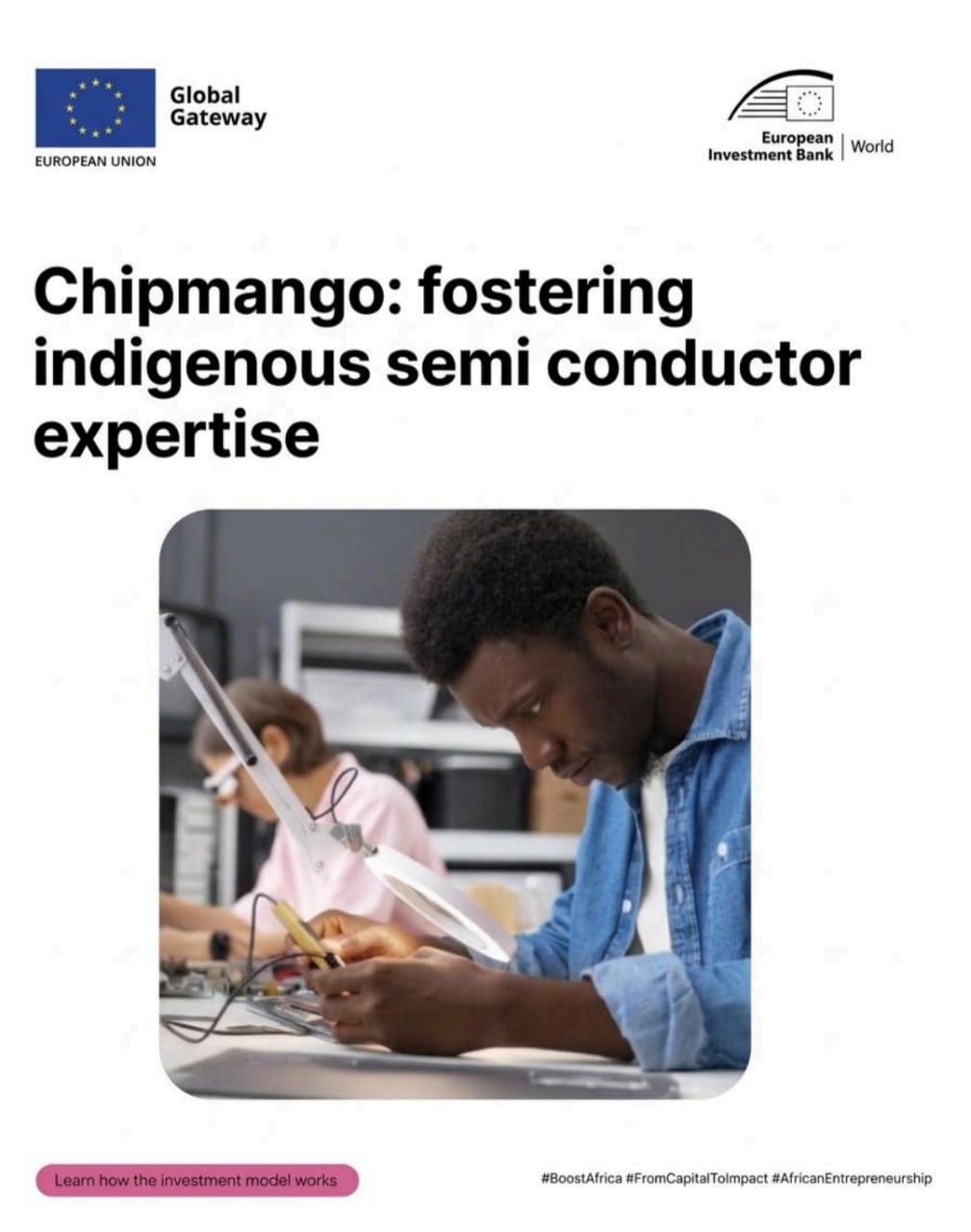
Africa’s technology ecosystem has produced innovative fintech, e-commerce and digital service companies. But there is another important part of the technology value chain that deserves attention: semiconductor engineering.
ChipMango is developing capabilities in chip design, verification and emerging hardware technologies. Its story demonstrates the kind of specialised innovation that deserves greater investment and attention.
Through Boost Africa, a joint initiative of the European Investment Bank (EIB) and African Development Bank, supported by the EU, the EIB helps channel investment through venture capital funds to innovative African enterprises. Discover how this
investment ecosystem is helping create opportunities for businesses working on Africa’s technological future.
Watch the video:
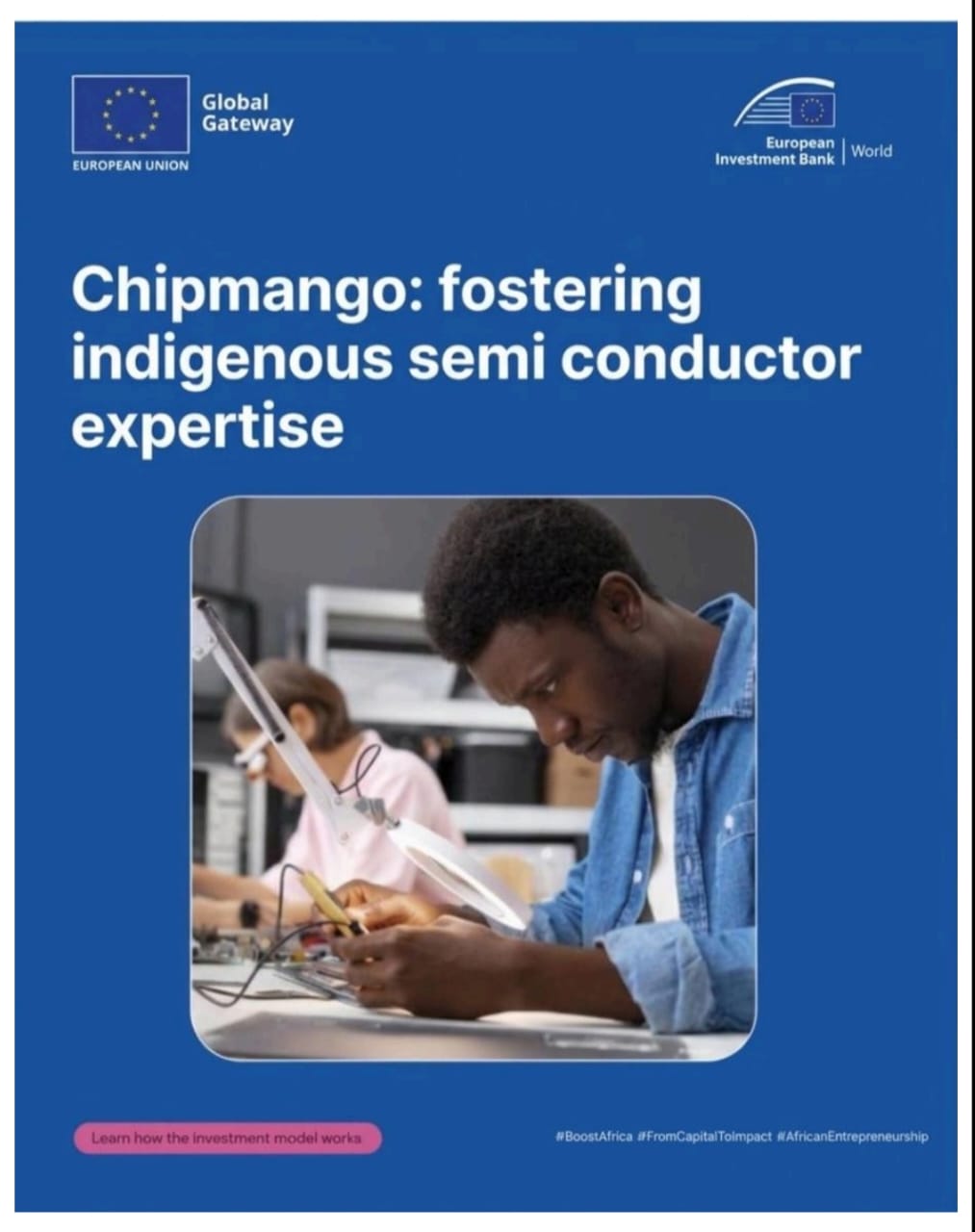
From smartphones and laptops to vehicles and AI systems, semiconductors are essential to modern technology. Yet, the expertise required to design these components remains concentrated in a relatively small number of global
technology hubs.
ChipMango is working to expand access to semiconductor engineering skills and commercial opportunities for African engineers. Its journey also highlights why initiatives such as EIB’s Boost Africa matter. By supporting venture capital funds investing in innovative African businesses, Boost Africa helps strengthen the financing ecosystem needed to develop specialised technology companies. Watch the video to learn how ChipMango is contributing to Africa’s place in the global technology industry.
Watch the video:
Business
ChipMango: Building Nigeria’s Semiconductor Engineering Capabilities for the Global Tech Industry


Africa’s participation in the global technology industry should go beyond
using digital products and services.
African engineers also have an opportunity to contribute to the technologies themselves, including the semiconductors that power smartphones, computers, vehicles and artificial intelligence.
Nigerian semiconductor technology company ChipMango is working to develop this capability by connecting engineering education with practical chip-design and verification projects.
Through its investment in African venture capital funds, the European Investment Bank (EIB), under the Boost Africa
initiative, is helping strengthen the ecosystem that supports innovative businesses like ChipMango.
Boost Africa is a joint initiative of the EIB and African Development Bank, supported by the European Union.
Watch the video to discover ChipMango’s story and the opportunities it is helping create.
Watch the video:
-
Politics3 years ago
13 Ondo Assembly Members Disown Endorsement of Aiyedatiwa
-
Politics3 years ago
APC Group, Ondo Govt, Quarrel Over Money for Endorsement
-

 Trending News6 years ago
Stop unsavoury, inciting statements – DSS warns
-

 Others5 years ago
Adron Homes Celebrates 10 Years Of Housing Excellence
-

 Humanity5 years ago
President Buhari Commiserates With Ambassador Maureen Tamuno Over The Loss Of Her Father
-

 Others7 years ago
EX- CUSTOMS BOSS, IBRAHIM MERA’S DWINDLING FAME
-

 Business3 years ago
Bigi Carbonated Soft Drinks Treats 40 Consumers to an Epic Easter Movie Hangout
-

 Business2 years ago
Wema Bank Shines at Global SME Finance Forum Conference Awards 2024 …Awarded: • SME Financier of the Year (Africa) • Platinum Award for Best Financier for Women Entrepreneurs (Africa)