News
Kaduna Disco Board Faces NERC Sanction Over N456bn Debt

The regulator dissolves KAEDC’s board after N456.5bn in market debts, installing interim managers while a new core investor is sought

The Nigerian Electricity Regulatory Commission has taken decisive steps to rescue Kaduna Electricity Distribution Plc from mounting financial and operational pressures, dissolving its board and appointing an interim management team after the company accumulated about N456.5bn in outstanding market obligations.
Also read: Nigerian Navy Discovers Negative Explosives Camp in Rivers
The regulatory intervention, which took effect on Monday, August 10, 2026, followed an inquiry and consultations involving NERC, the Bureau of Public Enterprises and other stakeholders over the deteriorating position of Kaduna Electricity Distribution Company, also known as KAEDC.
Under the order, NERC removed the company’s directors and installed a seven-member interim board to oversee its operations while a new core investor is sought.
The regulator said the intervention was necessary because of KAEDC’s prolonged failure to meet its financial and regulatory obligations, inadequate investment, weak operational performance and growing liabilities.
As of May 2026, KAEDC’s outstanding market obligations stood at approximately N456.5bn.
Of that figure, N415.5bn was owed to Nigerian Bulk Electricity Trading Plc, while another N41bn was due to the Nigerian Independent System Operator.
The company also had about N14.26bn in other statutory and third-party obligations, adding to the financial strain on the distributor.
NERC said KAEDC’s financial position had deteriorated further since ASI Engineering Limited assumed control of the company in June 2024.
During that period, the company accumulated an additional N118.6bn in market debt by May 2026, according to the regulator.
Its remittance performance was also a major concern.
NERC said KAEDC paid only 41.93 per cent of its adjusted market invoices in 2025, leaving a market shortfall of about N46.71bn for the year.
The regulator attributed much of the poor financial performance to KAEDC’s technical, commercial and collection losses, which reached 71.88 per cent in 2025.
That level of losses meant the company was effectively accounting for only about 28.2 per cent of the electricity supplied to it for distribution to customers.
Investment performance was similarly weak.
NERC said KAEDC spent just N2.48bn on capital expenditure in 2025, against a minimum requirement of N24.51bn. That represented only about 10 per cent compliance with its investment obligation.
Metering also remained a persistent challenge, with coverage fluctuating between 33.26 per cent and 35.54 per cent since ASI took over the company.
The regulator said the deterioration was particularly concerning because KAEDC had received substantial government and regulatory support.
NERC disclosed that the company received about N6.58bn in regulatory derogations between January 2024 and May 2026, while aggregate Federal Government interventions since July 2018 had reached approximately N53.79bn.
The commission warned that allowing the situation to continue could put electricity consumers, creditors and the wider power market at risk.
It also raised concerns that further delays in addressing the company’s financial position could eventually disrupt electricity distribution across its franchise area.
Before imposing the intervention, NERC said it notified KAEDC’s major shareholders and Afrexim Bank of the impending regulatory action and invited them to present a credible recovery plan.
Representatives of ASI, NERC, BPE, Afrexim Bank and Fidelity Bank subsequently met on June 11, 2026, to examine proposals aimed at rescuing the distribution company.
According to the regulator, the meeting established that ASI had not fulfilled conditions associated with its acquisition of a 60 per cent majority stake in KAEDC.
The company was also said to have failed to satisfy BPE requirements relating to the completion of the ownership arrangement.
ASI later requested an additional 24 months to stabilise KAEDC’s cash flow, increase investment and strengthen its ability to meet market obligations.
NERC rejected the request, arguing that ASI had already exercised effective control of the company since June 2024 without delivering the turnaround required under the acquisition arrangement.
The commission subsequently invoked its powers under Sections 75 to 79 of the Electricity Act 2023 to dissolve the board and establish an interim management structure.
The move is intended to keep KAEDC operating as a going concern while creating a route towards the emergence of a financially credible core investor.
Dr Abdullahi Garba has been appointed chairman of the seven-member interim board.
The other members are Engineer Francis Agoha, Aliyy Aliyu, retired Major General Henry Ayamasaowei, Dr Haliru Dikko, Ayodeji Gbeleyi, representing the BPE, and Dr Abubakar Umar Hashidu.
Hashidu, the incumbent Managing Director and Chief Executive Officer of KAEDC, will also serve as administrator for an initial six-month period.
As administrator, Hashidu is expected to oversee the company’s daily operations, maintain electricity distribution services, protect its assets and records, implement decisions of the interim board and ensure compliance with NERC directives.
NERC has also withdrawn the Know-Your-Licensee approvals previously issued to members of KAEDC’s management team.
Affected officials have been directed to undergo a fresh revalidation process.
At the centre of the next phase is the search for a new investor.
NERC has directed Afrexim Bank to coordinate an open and competitive process for selecting a new core investor capable of stabilising the company and addressing its substantial financial and operational weaknesses.
The preferred investor must subsequently be submitted to NERC for approval.
The selection process is expected to be completed within 12 months, although the commission may grant a written extension where necessary.
The intervention places KAEDC among the electricity distribution companies facing intense scrutiny as regulators seek to improve financial discipline, investment and service delivery across Nigeria’s power sector.
For consumers in Kaduna and other parts of KAEDC’s franchise area, the immediate priority will be continuity of electricity distribution while the interim management works to stabilise the company.
Also read: BOOK REVIEW: New Publication on 25 Years of FOCAC Deepens Africa-China Discourse
The success of the intervention will ultimately depend on whether the regulator can attract an investor with sufficient financial capacity, technical expertise and commitment to address the distributor’s longstanding losses and infrastructure gaps.


News
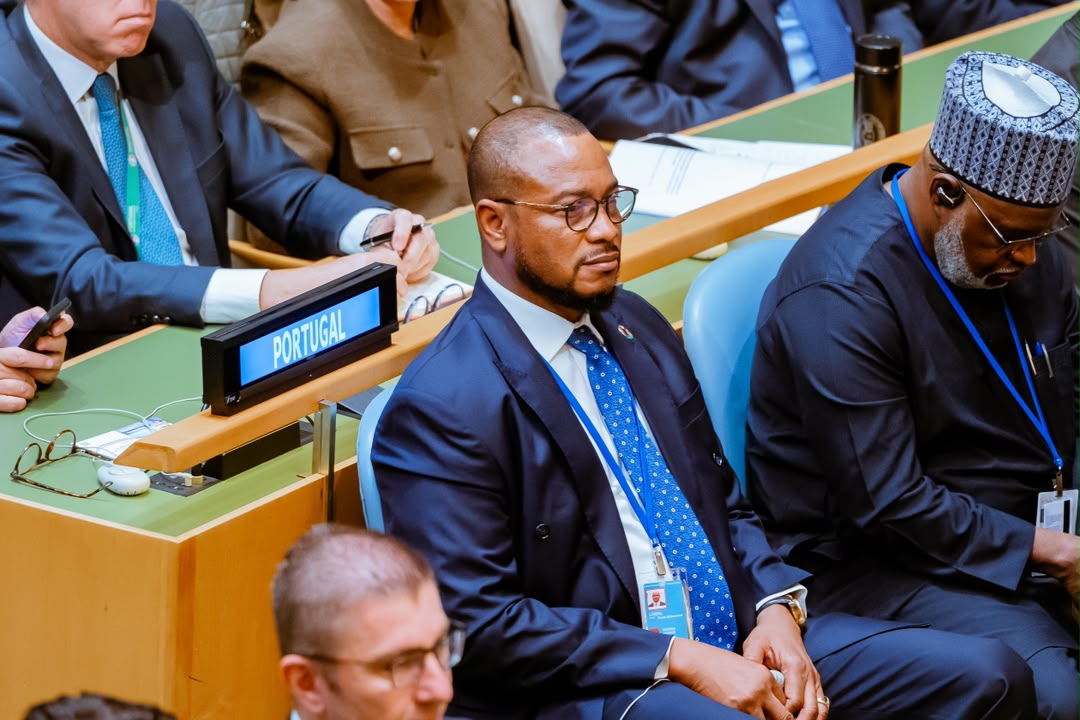
Photo News: Dauda Lawal Stands With VP Shettima at UNGA, Pitches Zamfara Farms and Minerals to Investors

Entertainment
A Few Good Men Hub Begins Exciting Test-Run Nights Ahead Of Grand Opening Gala On 30th September 2026



-
Politics3 years ago
13 Ondo Assembly Members Disown Endorsement of Aiyedatiwa
-
Politics3 years ago
APC Group, Ondo Govt, Quarrel Over Money for Endorsement
-

 Trending News5 years ago
Stop unsavoury, inciting statements – DSS warns
-

 Others5 years ago
Adron Homes Celebrates 10 Years Of Housing Excellence
-

 Humanity5 years ago
President Buhari Commiserates With Ambassador Maureen Tamuno Over The Loss Of Her Father
-

 Others7 years ago
EX- CUSTOMS BOSS, IBRAHIM MERA’S DWINDLING FAME
-

 Business2 years ago
Bigi Carbonated Soft Drinks Treats 40 Consumers to an Epic Easter Movie Hangout
-

 Business2 years ago
Wema Bank Shines at Global SME Finance Forum Conference Awards 2024 …Awarded: • SME Financier of the Year (Africa) • Platinum Award for Best Financier for Women Entrepreneurs (Africa)