
News
FG to Deploy Youths, Retired Soldiers in Nationwide Demining Operations

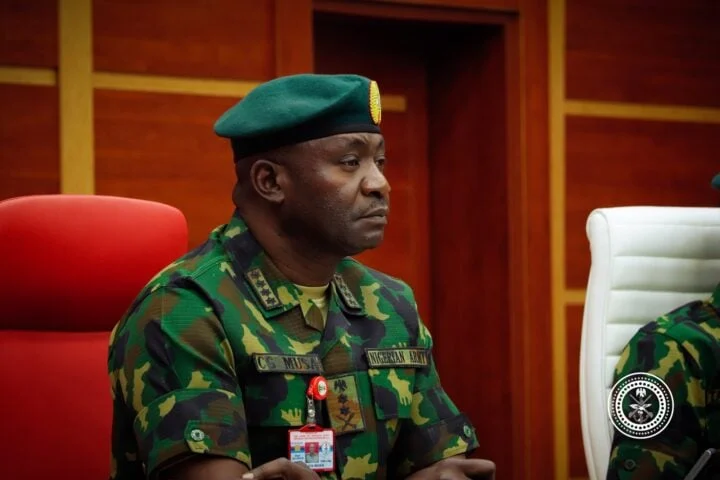
The Nigerian government will involve youths, retired soldiers, and civilians in demining operations to reduce IED threats, promote skills transfer, and ensure sustainable clearance
The Federal Government has unveiled plans to expand Nigeria’s demining strategy by involving youths, retired soldiers, and civilians in operations to counter improvised explosive devices (IEDs) and anti-personnel mines.
Also read: LG Electronics Launches Smart Dehumidifier in Nigeria to Tackle Indoor Humidity

The initiative was announced on Tuesday, March 24, in Abuja by the Minister of Defence, Christopher Musa, during the National Mine Action Stakeholders Workshop.
Represented by the Ministry of Defence Permanent Secretary, Richard Pheelangwah, Musa explained that civilian demining teams will include retired combat engineers, security veterans, medical personnel, and trained youths.
The teams are expected to work closely with communities exposed to explosive hazards.
“The proposed structure allows experienced military professionals to transfer critical skills to younger trainees while strengthening community confidence in clearance efforts,” Musa said.
The National Mine Action Centre (NMAC) will coordinate operations, working with trained officers from the Nigerian Police Force and the Nigerian Security and Civil Defence Force, alongside support from international partners.
Musa highlighted the humanitarian and security risks posed by hidden explosives, especially in North-East Nigeria, where contaminated farmland has forced many families to abandon productive land.
He said pairing retired combat engineers with youths will preserve technical expertise and ensure long-term sustainability of mine action nationwide.
Also read: Legend Internet Merger Sparks Bold Broadband Growth
International partners, including the United Nations Mine Action Service, reaffirmed support for Nigeria’s expanded model, which seeks to strengthen mine clearance, risk education, and victim assistance across the country.


News
Re: The Matter of Adeniyi Adeyemi Matthew and the fictitious Presidential Economic Advisory Council


Investigators say Adeyemi Adeniyi Matthew forged appointment documents, operated a fictitious presidential agency and now faces an eight-count charge before the Federal High Court


Rotary International’s Four-Way Test emerges as a practical ethical guide for nation-building in Nigeria, inspiring thousands of Rotarians to champion integrity, service and good governance amid ongoing development challenges
-
Politics2 years ago
13 Ondo Assembly Members Disown Endorsement of Aiyedatiwa
-
Politics2 years ago
APC Group, Ondo Govt, Quarrel Over Money for Endorsement
-

 Trending News5 years ago
Stop unsavoury, inciting statements – DSS warns
-

 Others4 years ago
Adron Homes Celebrates 10 Years Of Housing Excellence
-

 Humanity4 years ago
President Buhari Commiserates With Ambassador Maureen Tamuno Over The Loss Of Her Father
-

 Others7 years ago
EX- CUSTOMS BOSS, IBRAHIM MERA’S DWINDLING FAME
-

 Business2 years ago
Bigi Carbonated Soft Drinks Treats 40 Consumers to an Epic Easter Movie Hangout
-

 Business2 years ago
Wema Bank Shines at Global SME Finance Forum Conference Awards 2024 …Awarded: • SME Financier of the Year (Africa) • Platinum Award for Best Financier for Women Entrepreneurs (Africa)