
Economy
Nigeria inflation rises to 15.38% as food prices surge


Nigeria inflation rises March 2026 to 15.38% as food, transport, and housing costs push prices higher, according to the National Bureau of Statistics
Nigeria’s inflation rate rose to 15.38 per cent in March 2026, reversing a recent easing trend as rising food, transport, and accommodation costs pushed prices higher, according to the National Bureau of Statistics (NBS).
Also read: Wike warns Abuja contractors over Tinubu anniversary deadlines

The figure marks the first increase in headline inflation since March 2025, signalling renewed pressure on household spending across the country.
The latest Consumer Price Index report released on Wednesday showed that inflation rose from 15.06 per cent in February 2026 to 15.38 per cent in March 2026.
The NBS noted that the Consumer Price Index climbed to 135.4 points in March, reflecting a steady increase in the cost of goods and services.
On a monthly basis, inflation also accelerated sharply, indicating faster price increases within a short period.
Food and non-alcoholic beverages remained the largest contributors to inflation, followed by restaurants, accommodation services, and transport costs.
Food inflation continued to place significant pressure on households, driven by rising prices of staple items such as yams, cassava, tomatoes, and potatoes.
Urban inflation stood at 14.64 per cent, while rural inflation was higher at 17.22 per cent, highlighting stronger price pressures outside major cities.
The report also showed a sharp monthly spike in rural inflation, which rose to 6.73 per cent in March from 0.71 per cent in February.
Core inflation, which excludes volatile food and energy items, increased to 16.21 per cent year-on-year, indicating broader underlying price pressures.
Despite being lower than March 2025 levels, the data suggests inflationary momentum is building again across key sectors of the economy.
At the state level, inflation varied widely, with Bayelsa recording the highest rate, while Osun posted the slowest increase.
Also read: Wike warns Abuja contractors over Tinubu anniversary deadlines
The World Bank has warned that rising global oil prices could further push inflation higher in Nigeria, particularly through fuel, transport, and food supply chains.



Nigeria passport production is set to reach six million booklets annually by May 2027, with plans to expand capacity and serve the ECOWAS market.
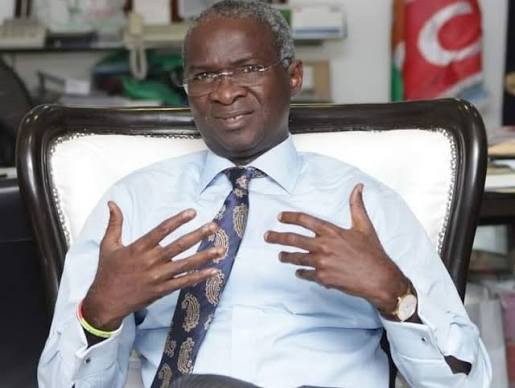
Fashola links Nigeria’s cost-of-living crisis to global conflicts, while defending Tinubu’s economic policies and acknowledging gaps in relief
FCCPC fuel price monitoring intensifies as Tunji Bello urges Nigerian refiners and marketers to reflect falling crude prices in petrol costs
-
Politics3 years ago
13 Ondo Assembly Members Disown Endorsement of Aiyedatiwa
-
Politics3 years ago
APC Group, Ondo Govt, Quarrel Over Money for Endorsement
-

 Trending News6 years ago
Stop unsavoury, inciting statements – DSS warns
-

 Others5 years ago
Adron Homes Celebrates 10 Years Of Housing Excellence
-

 Humanity5 years ago
President Buhari Commiserates With Ambassador Maureen Tamuno Over The Loss Of Her Father
-

 Others7 years ago
EX- CUSTOMS BOSS, IBRAHIM MERA’S DWINDLING FAME
-

 Business3 years ago
Bigi Carbonated Soft Drinks Treats 40 Consumers to an Epic Easter Movie Hangout
-

 Business2 years ago
Wema Bank Shines at Global SME Finance Forum Conference Awards 2024 …Awarded: • SME Financier of the Year (Africa) • Platinum Award for Best Financier for Women Entrepreneurs (Africa)