
Event
Nigerian leaders to convene at 6th Timeline Awareness Lecture for media, security discourse
Top Nigerian dignitaries, including Senate President Godswill Akpabio and Governors Dapo Abiodun and Ademola Adeleke, are set to grace the 6th Timeline Awareness Initiative Lecture and Awards in Lagos, focusing on media’s role in security challenges.


Top Nigerian dignitaries, including Senate President Godswill Akpabio and Governors Dapo Abiodun and Ademola Adeleke, are set to grace the 6th Timeline Awareness Initiative Lecture and Awards in Lagos, focusing on media’s role in security challenges

All roads lead to the Radisson Blu Hotel Ikeja GRA, Lagos, on Thursday, May 29th, 2025, as prominent figures from Nigeria’s political, security, and media landscapes converge for the 6th edition of the Timeline Awareness Initiative Lecture and Awards.
Also read: SWDC: Senator Mudashiru Husain congratulates Akinola, commends Tinubu, Oyetola’s purposeful leadership
The annual socio-political platform, organised by the publishers of Timeline Nigeria online newspapers, is geared towards enlightening the public on critical societal issues, with this year’s focus squarely on the crucial role of the media in addressing the nation’s security challenges.
The event, titled ‘Importance of Media in Information Gathering, Disclosure in the Face of Security Challenges: The Achievements of President Bola Ahmed Tinubu and Other Barriers,’ boasts an impressive line-up of speakers and dignitaries.
Senator Godswill Akpabio, the President of the Senate, will chair the proceedings.
He will be joined by His Excellency, Governor Dapo Abiodun of Ogun State, and his Osun State counterpart, Dr. Ademola Nurudeen Adeleke, alongside Senator Dr. Orji Uzor Kalu, Chairman of the Senate Committee on the South East Development Commission, Senator Adeola Olamilekan Yayi, Senator Oluranti Adebule, and Dr. Mrs. Folashade Okoya, among other esteemed personalities.
The keynote address will be delivered by Lt. Gen. Tukur Buratai (rtd), the former Chief of Army Staff. Guest speakers for the day include Hon. Babajimi Benson, Chairman of the House Committee on Defence, and Dr. Niyi Akinsiju of the Independent Media and Policy Initiative.
“This year’s edition has been further structured to enlighten the public on the importance of the media in combating security challenges facing the country.”
These experts will delve into the intricate relationship between media practices and national security, exploring how information gathering and disclosure can either aid or hinder efforts to combat security threats.
Attendees will have the opportunity to hear firsthand accounts and analyses regarding the significance of robust information gathering in national security contexts, as well as insights into the achievements of the President Bola Ahmed Tinubu-led administration over the past two years.
The event will also see several prominent Nigerians honoured with the prestigious Timeline Nigeria awards of excellence, recognising their contributions to various sectors.
Past editions of the Timeline Awareness Initiative have attracted high-profile speakers such as Alhaji Lai Mohammed, Senator Olorunnimbe Mamora, Senator Babafemi Ojudu, Dr. Larry Izamoje, and Mr. Bayo Onanuga, cementing its reputation as a significant forum for national discourse.


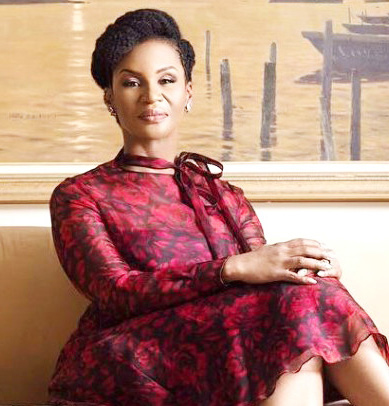
Mrs. Bola Tinubu has underscored the need for stronger corporate governance anchored on board accountability, ethical leadership, effective risk oversight and long-term value creation, warning that the durability of institutions depends on the quality of decisions made in their boardrooms today.
In a message ahead of the Corporate Governance Triangle Annual Colloquium scheduled for Thursday, October 22, Country Managing Partner, DLA Piper Africa said corporate governance must be understood as more than adherence to regulations, stressing that it is fundamental to building resilient institutions, protecting stakeholder interests and sustaining investor confidence.
“Good governance is not simply about compliance. It is about leadership, accountability and making the right decisions for the future,” she said.
The colloquium, convened by the Nigerian Bar Association Section on Business Law (NBA-SBL), the Convention on Business Integrity’s Centre for Leadership and Governance (CloD Nigeria), and the Nigerian Exchange Group (NGX), is themed “Governing for the Future.”
The gathering comes at a time when corporate boards face increasing pressure to demonstrate stronger oversight, transparent decision-making and the capacity to navigate economic volatility, technological disruption and evolving stakeholder expectations.
Tinubu’s position places board effectiveness at the centre of the corporate governance conversation, emphasising that compliance with statutory requirements, while indispensable, is not sufficient to guarantee institutional integrity or sustainable performance.
Effective corporate governance requires boards to establish clear accountability structures, exercise independent judgement, challenge management assumptions and ensure that corporate strategy is aligned with the long-term interests of shareholders and other stakeholders.
It also demands robust internal controls, credible financial reporting, ethical conduct and risk management frameworks capable of identifying threats before they undermine organisational stability.
“At a time of rapid change and growing uncertainty, the quality of board leadership matters more than ever,” She said.
As a Keynote Speaker at the event, statement highlights the strategic responsibility of directors to look beyond short-term earnings and immediate operational pressures to consider the broader implications of their decisions for institutional continuity, reputation and value creation.
For companies operating in Nigeria’s evolving business environment, these responsibilities have significant implications for investor confidence and access to capital. Investors increasingly assess not only financial performance but also the quality of oversight, transparency of disclosures, protection of minority shareholders and the ability of boards to manage material risks.
Weak governance can expose companies to financial mismanagement, conflicts of interest, reputational damage and regulatory sanctions. Conversely, credible governance structures can strengthen market confidence, improve accountability and create the conditions for sustainable business growth.
Tinubu stressed that boards must demonstrate the courage and discipline required to prepare institutions for challenges beyond their immediate operating environment.
“Boards must look beyond today’s challenges and have the courage, foresight and discipline to build institutions that will stand the test of time,” she stated.
This approach places a premium on forward-looking board oversight. Directors must interrogate business assumptions, monitor emerging risks, evaluate management performance and ensure that succession planning, capital allocation and corporate strategy support institutional resilience.
It also reinforces the importance of board independence and diversity of experience in strengthening deliberations and preventing excessive concentration of decision-making authority. Effective oversight depends on directors who can exercise sound judgement, ask difficult questions and hold management accountable without compromising their fiduciary responsibilities.
Beyond individual companies, stronger corporate governance has implications for the wider Nigerian economy. Transparent and well-governed companies are better positioned to attract long-term investment, deepen capital markets and support the development of a business environment in which capital is allocated with greater confidence.
The collaboration among the NBA-SBL, CloD Nigeria and NGX in convening the colloquium also reflects the importance of a coordinated approach to governance. Legal standards, leadership development, market discipline and professional accountability must work together to translate governance principles into measurable institutional outcomes.
The challenge, therefore, is not simply to establish governance codes or satisfy regulatory expectations, but to embed accountability and ethical conduct in everyday corporate decision-making.
Tinubu expressed optimism about the discussions expected at the colloquium, noting that the demands of contemporary leadership require sustained reflection on how institutions are governed and prepared for the future.
“I look forward to a thought-provoking conversation on what this demands of us as leaders,” she added.
As corporate governance increasingly shapes investor perceptions and institutional credibility, the central question for boards is whether their decisions merely address today’s obligations or build the foundations for tomorrow’s success.
The distinction, ultimately, lies in the ability to translate compliance into a culture of accountability, oversight into strategic value and leadership into lasting institutional strength.
Event
Seyi Tinubu Colloquium: To Unlock Youth Potential, Public Policy Must Align with Private Capital – Obasa
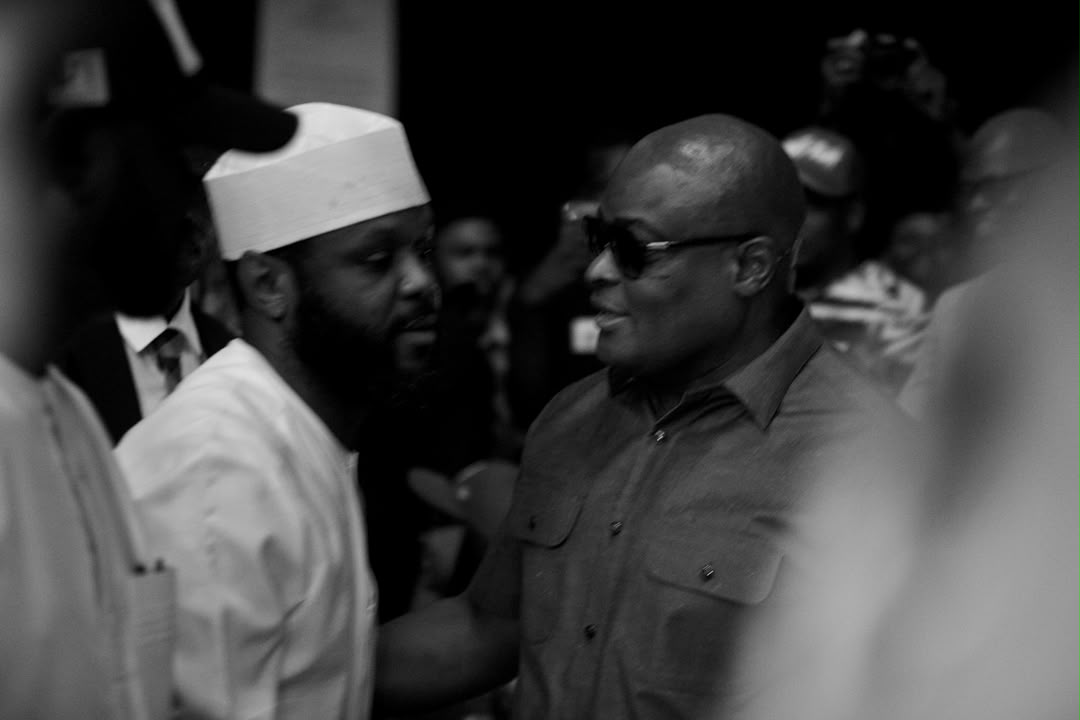
The Speaker of the Lagos State House of Assembly, Rt. Hon. Dr Mudashiru Obasa, has called for an aggressive and deliberate alignment between public policy and private capital as the surest path to unlocking the full potential of Nigeria’s youth population.
Speaking to reporters on the sidelines of the inaugural edition of The Seyi Tinubu Colloquium held in Lagos on Monday, October 12, at the Eko Convention Centre, Victoria Island, the long-serving lawmaker insisted that tomorrow has already arrived for the next generation. Therefore, he continued,
structural inclusion is no longer a political favour but an urgent economic necessity.
Obasa said, “The theme of this first edition – Shaping the Future Together – is both an intellectual blueprint and an urgent governance directive. It acknowledges an undeniable reality: we cannot architect a sustainable, prosperous future if we lock the very visionaries of that future out of the room today.”
He maintained that political rhetoric has for too long comforted young people with the cliché that they are the leaders of tomorrow, but that the nation no longer has the luxury of waiting for the future.
Speaker Obasa directed a sharp call to action at the captains of industry, policy makers, tech ecosystem builders, and media executives, noting that government alone cannot carry the weight of national transformation. He challenged corporate leaders to view the country’s brilliant young minds not merely as consumers or an audience, but as venture partners.
He urged the private sector to move beyond traditional Corporate Social Responsibility activities and commit to deep, structural investments in early-stage equity, institutionalised mentorship infrastructure, and high-impact incubators. Such investments, he said, must be deliberately matched by enabling public policies if they were to scale and endure.
Highlighting his legislative track record in the nation’s economic hub, the Speaker noted that the Lagos State House of Assembly, particularly, has consistently refused to be a passive bystander.
The Assembly, he said, has deliberately driven funding into localised tech hubs, expanded digital literacy, and created environments where young entrepreneurs can thrive without systemic bottlenecks.
He pointed to critical frameworks such as the Lagos State Wealth Fund and the progressive work on the Lagos Innovation Bill as concrete examples of public policies designed to complement and attract private capital.
While commending the host, Seyi Tinubu, for his ingenuity and foresight in establishing the colloquium as a vital cross-generational bridge, the Speaker concluded that the true success of the maiden edition will not be measured by the eloquence of speeches, but by the velocity and volume of actions and its ability to serve as an incubator for strategic public-private alliances.
The Seyi Tinubu Colloquium is an annual high-level intellectual platform designed to foster national development through public-private synergy and cross-generational leadership.
Centred around the themes of leadership, patriotism, innovation, enterprise, and collaboration, the inaugural edition brought together corporate titans, policymakers, and next-generation innovators, among others, to co-create actionable blueprints for economic self-reliance, technological inclusion, and sustainable national progress.


Organisers of Real Talk With Kike have unveiled a high-profile lineup of speakers for the programme’s seventh anniversary celebration, which will also commemorate ace broadcaster Kikelomo Atanda-Owo Abati’s more than 20-year journey in the Nigerian media industry.
The milestone event will hold on October 10, 2026, at Eko Hotels and Suites, Lagos, bringing together leaders from government, business, media and culture for conversations on Nigeria’s future.
Leading the keynote sessions are Dr Kadiri Obafemi Hamzat, Deputy Governor of Lagos State, and Mr Vlassis Liakouris, Group Managing Director of Mandilas Group Limited.
Also confirmed as distinguished speakers are Mr Kola Adesina, Group Managing Director of Sahara Group, and Dr Toyosi Akerele-Ogunsiji, Founder of Rise Network, while Mrs Bola Adesola, Chairman of the Board of Ecobank Nigeria, will deliver the goodwill message.
The speakers will engage the theme, “The Future of Nigeria: Where Leadership, Innovation, Culture and Media Converge to Shape Nation Building,” exploring how governance, enterprise, innovation and storytelling can shape national development.
According to the organisers, the theme reflects the philosophy that has defined Real Talk With Kike over the past seven years as a platform for meaningful conversations on leadership, society, business, relationships, culture and contemporary issues affecting Nigeria.
For Kikelomo Atanda-Owo Abati, the celebration marks two significant milestones. Beyond the programme’s seventh anniversary, it also celebrates more than two decades of broadcasting, making the occasion a tribute to longevity, impact and the power of dialogue.
The multidisciplinary speaker lineup mirrors the event’s nation-building focus. Hamzat is expected to share perspectives on public leadership and governance, while Adesina and Liakouris will discuss private-sector leadership, enterprise and innovation. Akerele-Ogunsiji will contribute insights on education, youth development and innovation, with Adesola bringing the perspective of corporate governance and financial-sector leadership.
The October gathering is expected to attract policymakers, business executives, media personalities, creatives and guests who have been part of the Real Talk With Kike journey since its inception, reinforcing its reputation as one of Nigeria’s leading platforms for thought-provoking conversations.
-
Politics3 years ago
13 Ondo Assembly Members Disown Endorsement of Aiyedatiwa
-
Politics3 years ago
APC Group, Ondo Govt, Quarrel Over Money for Endorsement
-

 Trending News5 years ago
Stop unsavoury, inciting statements – DSS warns
-

 Others5 years ago
Adron Homes Celebrates 10 Years Of Housing Excellence
-

 Humanity5 years ago
President Buhari Commiserates With Ambassador Maureen Tamuno Over The Loss Of Her Father
-

 Others7 years ago
EX- CUSTOMS BOSS, IBRAHIM MERA’S DWINDLING FAME
-

 Business2 years ago
Bigi Carbonated Soft Drinks Treats 40 Consumers to an Epic Easter Movie Hangout
-

 Business2 years ago
Wema Bank Shines at Global SME Finance Forum Conference Awards 2024 …Awarded: • SME Financier of the Year (Africa) • Platinum Award for Best Financier for Women Entrepreneurs (Africa)