
ENERGY
NISO Warns of Severe Power Supply Strain as Gas Runs Short

NISO power generation has fallen as gas shortages and low reservoir levels constrain thermal and hydroelectric plants, worsening supply nationwide
The Nigerian Independent System Operator (NISO) has attributed declining electricity generation across the national grid to gas supply shortages and reduced water inflows into hydroelectric reservoirs, warning that the constraints have led to shorter supply hours and increased load shedding.
Also read:INEC Warns Journalists Against Fake 2027 Election Results

In a statement issued on Thursday, November 5, 2026, the operator said limited gas availability had prevented some thermal power stations from operating at their available capacity, while reduced water inflows had affected output from hydroelectric plants.
The shortfall has reduced the volume of electricity allocated to Distribution Companies (DisCos), leaving households and businesses with fewer hours of supply amid hot weather and rising demand for cooling.
“The current decline in electricity generation on the national grid is primarily attributed to constraints in gas supply to thermal power generating stations and reduced output from hydroelectric power stations,” NISO said.
The operator explained that the reduced generation had affected the quantity of electricity available for distribution, with the impact varying across networks according to generation levels and allocations to individual DisCos.
“Consequently, the reduction in available generation has affected the quantum of electricity allocated to Distribution Companies (DisCos) for onward supply to consumers,” the statement added.
NISO said the resulting supply constraints had led to increased load shedding across distribution networks.
The situation is particularly challenging for small businesses and households that depend on reliable electricity for refrigeration, food preservation, water pumping and cooling.
Reduced grid supply can force consumers to rely more heavily on petrol and diesel generators, adding to operating costs.
Nigeria’s electricity system depends heavily on gas-fired thermal power stations, with hydroelectric plants providing another major source of grid generation.
Disruptions affecting either source can therefore significantly reduce the electricity available to consumers.
The latest constraints also come amid concerns about unusually high temperatures. In an August 2026 climate update, the Nigerian Meteorological Agency confirmed the onset of a strong El Niño event and said it was expected to influence global climate patterns during the August to October period.
However, NISO’s statement attributed the current generation decline specifically to gas supply constraints and reduced water inflows. It did not identify El Niño as a direct cause of the power shortfall.
The latest disruption follows previous periods of reduced electricity allocations linked to gas shortages and transmission constraints. In February, NISO reported that gas supply to thermal plants had fallen significantly below the volume required for optimal operation, limiting generation and electricity allocations to DisCos.
NISO acknowledged the hardship caused by the current shortfall and said it was working to manage available electricity while maintaining grid stability.
“NISO remains committed to maintaining grid stability, optimising the dispatch of available generation, and ensuring the secure, reliable and efficient operation of the national grid within prevailing operational constraints,” the operator said.
It added that efforts were underway to diversify the energy mix supplying the national grid, with the aim of improving security of supply and reducing vulnerability to disruptions affecting individual generation sources.
The statement did not provide a timeline for when gas supplies or hydroelectric output would improve, or when electricity allocations to DisCos might return to previous levels.
Also read:INEC Warns Journalists Against Fake 2027 Election Results
The development underscores the continuing challenge of securing dependable fuel supplies and maintaining sufficient water inflows for power generation, as consumers contend with unreliable electricity and the additional costs of alternative power sources.



By Adebayo Adeoye
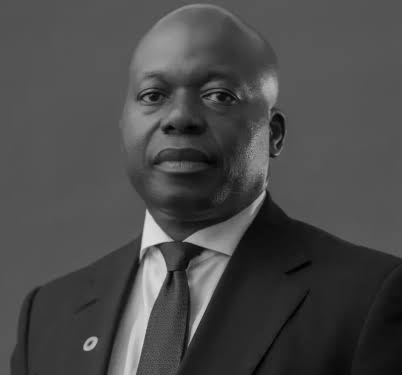
For Jubril Adewale Tinubu, the story of Nigerian oil is also a story of personal reinvention.
From co-founding Ocean and Oil in the 1990s to leading Oando through some of the most significant indigenous acquisitions in Nigeria’s petroleum industry, Tinubu has spent more than three decades building a business model around a simple but consequential proposition: Nigerian companies should not remain peripheral participants in an industry built around the country’s most important natural resource.
That ambition has shaped his career.
Tinubu was central to the transformation of Ocean and Oil from an indigenous trading company into Oando, an integrated energy group. The company’s subsequent expansion into petroleum marketing, gas and power, international trading and upstream exploration and production was not simply corporate diversification. It reflected Tinubu’s strategy of progressively moving Nigerian capital closer to the ownership and control of strategic energy assets.
The decisive moment came in 2014, when Tinubu led Oando Energy Resources in the approximately $1.8 billion acquisition of ConocoPhillips’ Nigerian businesses. The transaction fundamentally altered Oando’s position in the industry, moving it from a company with substantial downstream interests into one of Nigeria’s significant indigenous upstream players.
But Tinubu’s most consequential test came a decade later.
In 2024, Oando completed its acquisition of Eni’s Nigerian Agip Oil Company. The transaction gave Oando a significant percent working interest in OMLs 60–63 and operatorship of the joint venture, while substantially increasing the company’s reserves. Tinubu described the deal as the culmination of a decade-long strategy that began with the ConocoPhillips acquisition.
This is where Tinubu’s personal role becomes particularly important.
The significance of the NAOC transaction is not merely its financial value. It placed Tinubu and his management team in the more demanding position of having to demonstrate that an indigenous company can operate complex assets at scale. Ownership creates an investment position; operatorship creates accountability for production, infrastructure, costs, security, technical execution and relationships with host communities.
The early operating numbers provide an important measure of that transition. In the first half of 2026, Oando reported average production of 42,789 barrels of oil equivalent per day, a 16 per cent year-on-year increase, while production operating costs fell by 18 per cent and facility uptime rose to 92 per cent. Tinubu attributed the performance to drilling, well interventions, improved reliability and operational discipline.
Those figures do not settle the wider debate about indigenous operators. But they illustrate the shift in the challenge facing Tinubu: the question is no longer whether Nigerian entrepreneurs can acquire major petroleum assets. It is whether they can extract sustainable operational value from them.
That distinction is central to understanding his industry impact.
Tinubu has also increasingly positioned himself as an advocate for the institutional conditions that allow African businesses to grow. Speaking at the Royal African Society in London, he argued that stronger corporate governance, transparency and professional management are necessary if African companies are to attract long-term international capital. His own experience with Oando’s international listing has become part of that argument.
His public interventions at the 81st United Nations General Assembly in New York broadened the argument further.
Writing from an operator’s perspective on energy access, Tinubu argued that energy should be treated as foundational infrastructure for health, education, agriculture, manufacturing and employment. He cited Oando-linked gas and power projects as examples of how energy infrastructure can generate development outcomes beyond the energy sector itself.
At the US-Nigeria Council breakfast, he turned to another potential engine of Nigerian growth: the creative economy. Tinubu argued that Nigeria should regard its creative output as an export industry capable of generating foreign exchange, jobs and scalable businesses, pointing to the international reach of Afrobeats and the country’s growing creative economy.
The common thread in these interventions is the idea of value capture.
Whether the asset is crude oil, natural gas or intellectual property, Tinubu’s argument is that Africa must become better at owning the businesses and infrastructure through which its resources and talent are commercialised.
That proposition also explains the evolution of his own career.
Tinubu began as an entrepreneur in petroleum trading. He subsequently became an architect of an integrated energy company, then an upstream asset owner and operator, and increasingly a public voice on capital, energy access and African enterprise.
The next measure of his legacy will therefore be larger than Oando’s balance sheet.
It will be whether the model he has pursued demonstrates that African entrepreneurs can mobilise capital, acquire strategic assets, operate them efficiently, build institutions around them and retain a greater share of the value generated from Africa’s resources.
That is what makes Tinubu’s personal journey relevant beyond the oil industry.
This is the larger story behind the man known as ‘ King of African oil’ : not merely the accumulation of energy assets, but the continuing attempt to build an African enterprise capable of owning more of the continent’s economic future.
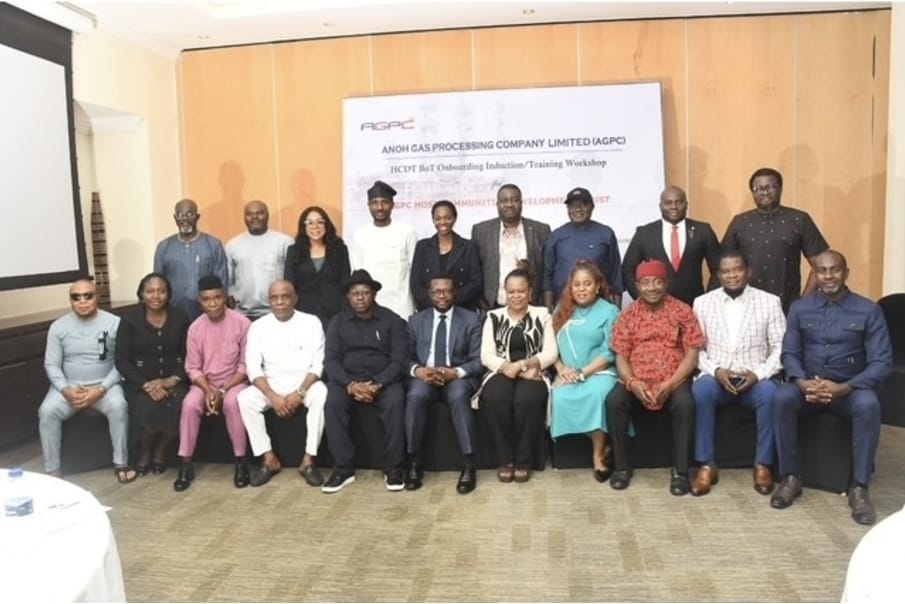
ANOH Gas inaugurates its HCDT Board, setting a new course for sustainable community development, transparency and accountability under the PIA
-
Politics3 years ago
13 Ondo Assembly Members Disown Endorsement of Aiyedatiwa
-
Politics3 years ago
APC Group, Ondo Govt, Quarrel Over Money for Endorsement
-

 Trending News6 years ago
Stop unsavoury, inciting statements – DSS warns
-

 Others5 years ago
Adron Homes Celebrates 10 Years Of Housing Excellence
-

 Humanity5 years ago
President Buhari Commiserates With Ambassador Maureen Tamuno Over The Loss Of Her Father
-

 Others7 years ago
EX- CUSTOMS BOSS, IBRAHIM MERA’S DWINDLING FAME
-

 Business3 years ago
Bigi Carbonated Soft Drinks Treats 40 Consumers to an Epic Easter Movie Hangout
-

 Business2 years ago
Wema Bank Shines at Global SME Finance Forum Conference Awards 2024 …Awarded: • SME Financier of the Year (Africa) • Platinum Award for Best Financier for Women Entrepreneurs (Africa)