
health
WHO Warns Four in Ten Cancer Cases Are Preventable

WHO warns up to 40% of cancer cases are preventable through lifestyle, vaccination, and environmental measures

The World Health Organisation has warned that nearly four in ten cancer cases globally are linked to preventable risk factors, urging nations to invest more aggressively in prevention.
Also read: Polaris Bank Launches Free Breast Cancer Screening for Women Nationwide
The announcement was made on Tuesday in a statement released ahead of World Cancer Day on February 4.
Dr André Ilbawi, WHO Team Lead for Cancer Control, described the new global analysis conducted with the International Agency for Research on Cancer as a wake-up call, emphasising that many cancers are not inevitable.
“This is the first global analysis to demonstrate, at this scale, how much cancer risk comes from causes we can prevent,” Ilbawi said.
The report analysed data from 185 countries and 36 cancer types, estimating that 37 per cent of all new cancer cases diagnosed in 2022—approximately 7.1 million—were caused by tobacco use, alcohol consumption, obesity, physical inactivity, air pollution, ultraviolet radiation, and infection-related factors.
Tobacco was identified as the leading preventable cause, responsible for 15 per cent of new cases, followed by infections at 10 per cent and alcohol consumption at three per cent.
Lung, stomach, and cervical cancers accounted for nearly half of preventable cases worldwide. Lung cancer was largely linked to smoking and air pollution, stomach cancer to Helicobacter pylori infection, and cervical cancer almost entirely to human papillomavirus.
Dr Isabelle Soerjomataram, Deputy Head of the IARC Cancer Surveillance Unit, said the findings underscore the urgency of prevention-focused policies.
“Prevention is not optional—it is essential,” she said, highlighting that vaccines, cleaner air, safer workplaces, and healthier diets are powerful tools in reducing the global cancer burden.
The report also revealed notable gender and regional disparities. Among men, 45 per cent of new cancer cases were preventable, compared with 30 per cent for women.
Regional differences reflected variations in exposure to risk factors and national prevention policies, with East Asia recording the highest burden among men and sub-Saharan Africa among women.
The WHO called for coordinated action across health systems and governments, stressing that preventing cancer could save millions of lives while reducing long-term healthcare costs and improving overall population wellbeing.
Also read: Climate Change Drives Rising Cancer Burden in Nigeria, Experts Warn
“Cancer prevention is a shared responsibility. When governments act early, millions of families can be spared the physical, emotional, and financial burden of a cancer diagnosis,” Ilbawi said.


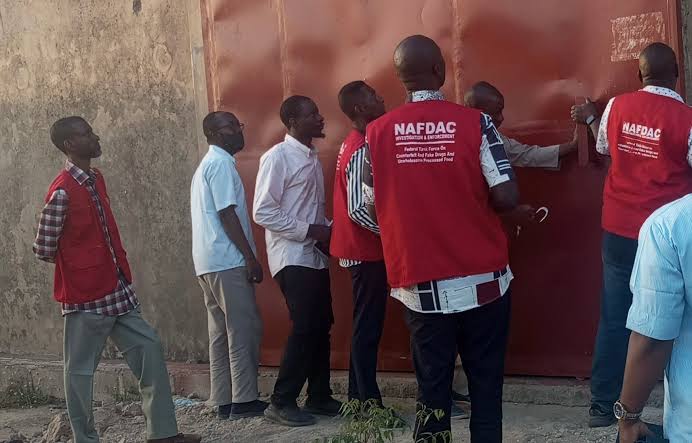
NAFDAC has uncovered nearly 11,400 cartons of banned agrochemicals, including Paraquat products, in Kano warehouses, raising fresh concerns about food safety and regulatory enforcement

FCCPC orders producers to comply with food fortification standards after a survey found inadequately fortified vegetable oil and salt in Nigerian markets
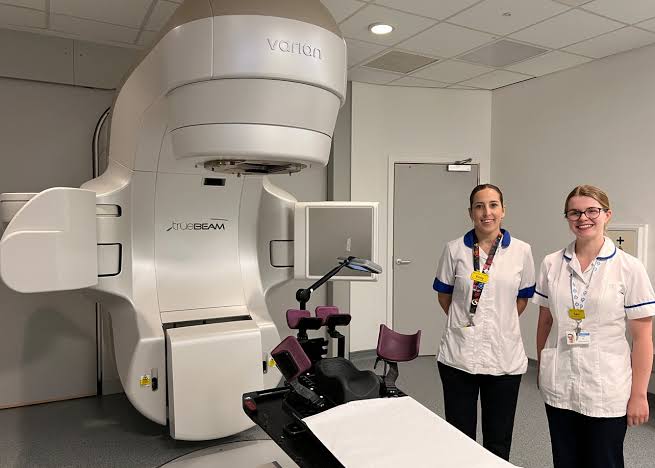
The UK is testing five-day breast cancer radiotherapy in a major trial that could reduce hospital visits and treatment costs for patients
The United Kingdom has launched a major clinical trial involving more than 1,000 participants to determine whether breast cancer radiotherapy can be shortened from three weeks to five days without compromising its effectiveness in preventing the disease from returning.
Also read: Grey CEO Urges Africa to Ditch Dollar for Trade
The government-funded FAST-Forward Boost trial, being conducted at 39 hospitals across the UK, will investigate whether a shorter course of radiotherapy combined with an additional targeted dose, known as a boost, can provide effective treatment for patients following breast cancer surgery.
The UK Department of Health and Social Care announced the development on Friday, October 30, describing the study as part of efforts to improve cancer treatment and make care more convenient for patients.
Led by the Institute of Cancer Research in London and funded by the National Institute for Health and Care Research, the study aims to recruit 4,830 participants by 2028.
Those enrolled will be followed up for five years, with results expected in 2033.
If the approach proves successful, it could reduce the number of hospital visits required by patients, potentially saving them 10 journeys compared with the existing three-week treatment schedule.
The department said the shorter schedule could also reduce transport expenses and the time patients spend away from work and family.
It could additionally ease pressure on the National Health Service by freeing up radiotherapy capacity for other patients.
Health and Social Care Secretary Yvette Cooper said the trial reflected the country’s efforts to use medical research to improve cancer care.
“This trial shows how the UK is using our world beating research capabilities to pursue huge improvements and transformations in cancer treatment for patients,” she said.
Why the radiotherapy trial matters
Radiotherapy uses carefully targeted radiation to destroy cancer cells or prevent them from growing.
For many people with breast cancer, it is recommended after surgery to reduce the risk of the disease returning in the treated area.
A treatment boost involves delivering an additional dose of radiation to the area considered to have a higher risk of recurrence, usually the site where the tumour was removed.
The FAST-Forward Boost trial is examining how this additional treatment can be incorporated into a shorter schedule.
Reducing treatment from three weeks to five days could make a considerable difference to patients who must travel regularly to hospitals.
The impact may be particularly significant for people living far from specialist cancer centres, those with limited transport options and patients balancing treatment with employment or family responsibilities.
However, the trial is designed to establish whether the shorter approach is effective and safe for the patients being studied. Its results will be important in determining whether the treatment schedule can become a wider option in clinical practice.
UK expands breast cancer screening efforts
The announcement comes as the British government intensifies efforts to improve breast cancer screening, encourage early diagnosis and strengthen support for patients.
The Department of Health and Social Care said screening uptake among women receiving their first invitation had risen to 63.6 per cent, its highest level in a decade.
Despite the improvement, around four in 10 women invited for their first screening appointment still do not attend.
The government is also working with the National Institute for Health and Care Research and NHS England on studies examining how artificial intelligence could support the analysis of mammograms.
The technology is being explored as a way to assist the assessment of breast screening images, although its role and effectiveness must be established through appropriate research and clinical evaluation.
In addition, the government has partnered with breast cancer charity Breast Cancer Now for three years to help women recognise symptoms, find reliable information and access support after treatment.
Together, the initiatives reflect a broader approach to breast cancer care, combining screening, research into treatment improvements and support for people living with the disease.
Also read: Grey CEO Urges Africa to Ditch Dollar for Trade
For now, the five-day radiotherapy approach remains under investigation. With final results not expected until 2033, the FAST-Forward Boost trial will need to establish whether reducing treatment time can deliver comparable cancer control while maintaining patient safety.
-
Politics3 years ago
13 Ondo Assembly Members Disown Endorsement of Aiyedatiwa
-
Politics3 years ago
APC Group, Ondo Govt, Quarrel Over Money for Endorsement
-

 Trending News6 years ago
Stop unsavoury, inciting statements – DSS warns
-

 Others5 years ago
Adron Homes Celebrates 10 Years Of Housing Excellence
-

 Humanity5 years ago
President Buhari Commiserates With Ambassador Maureen Tamuno Over The Loss Of Her Father
-

 Others7 years ago
EX- CUSTOMS BOSS, IBRAHIM MERA’S DWINDLING FAME
-

 Business3 years ago
Bigi Carbonated Soft Drinks Treats 40 Consumers to an Epic Easter Movie Hangout
-

 Business2 years ago
Wema Bank Shines at Global SME Finance Forum Conference Awards 2024 …Awarded: • SME Financier of the Year (Africa) • Platinum Award for Best Financier for Women Entrepreneurs (Africa)