
Economy
Jubril Tinubu Links Strong Corporate Governance to African Growth


The Oando chief says transparency and stronger institutions are essential for African businesses seeking long-term international capital

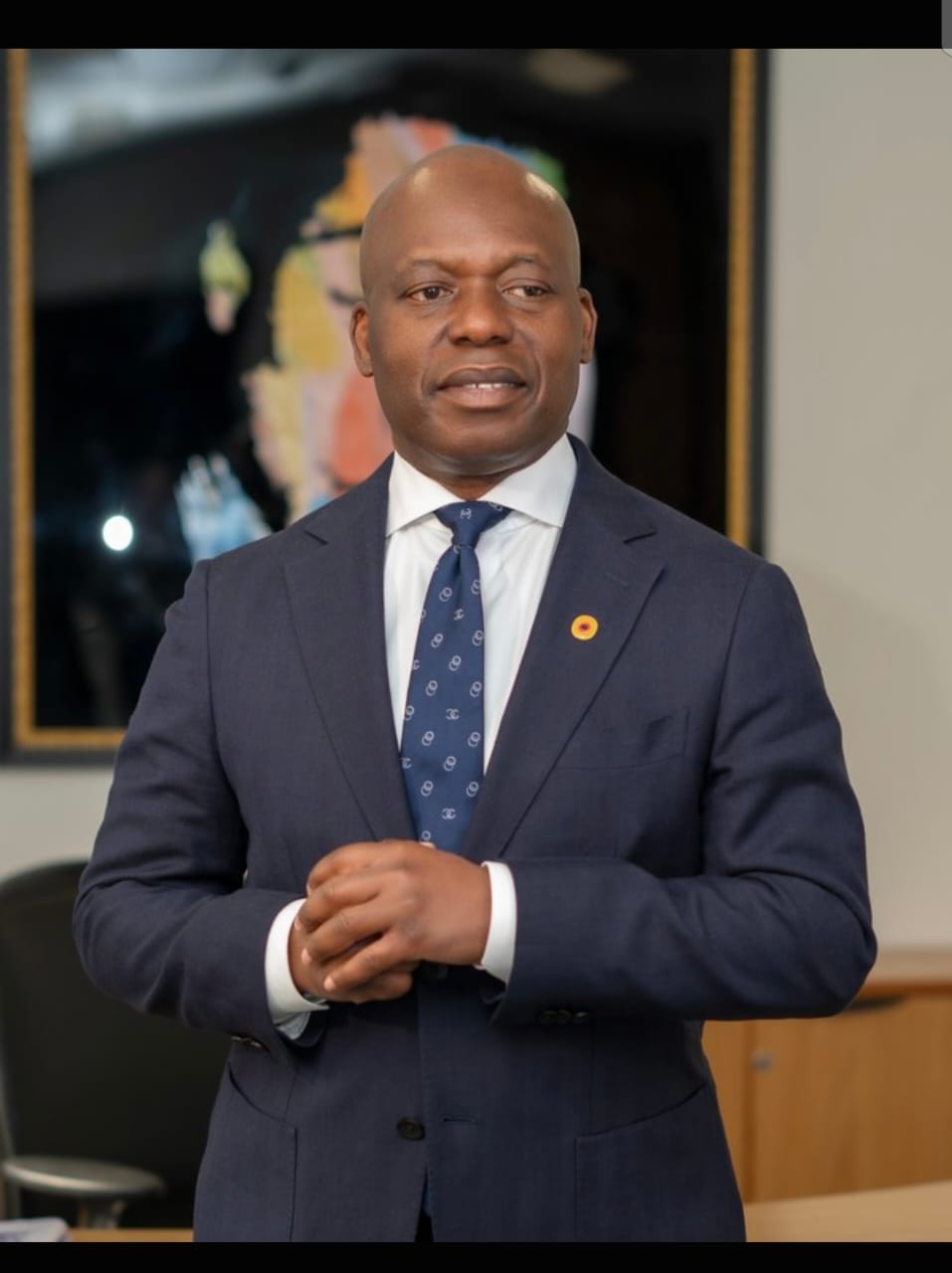
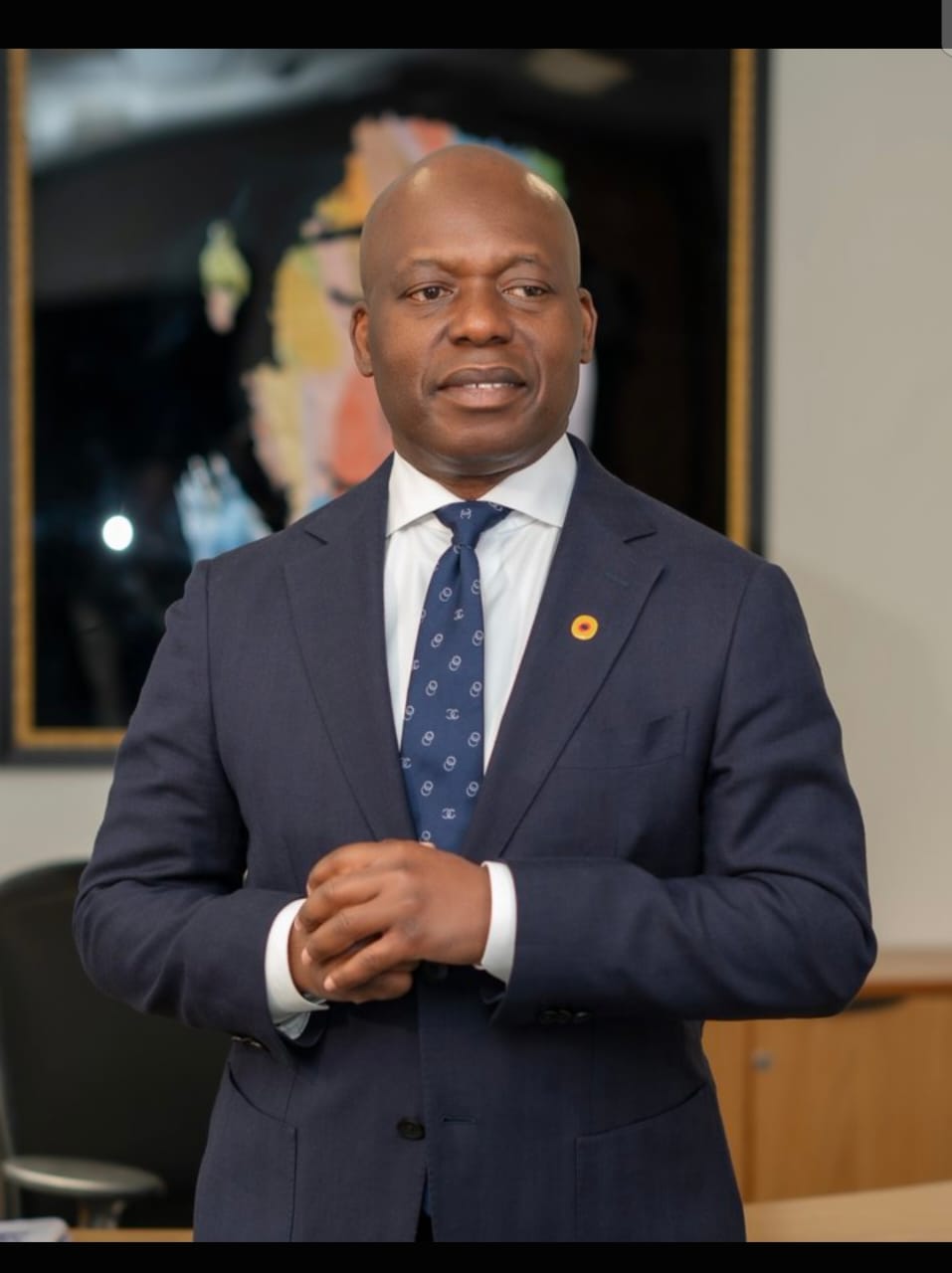
Group Chief Executive of Oando Plc, Jubril Adewale Tinubu, has urged African businesses to adopt stronger corporate governance, transparent reporting and robust institutional structures as the continent seeks to attract the long-term capital needed to compete globally.
Also read: Jubril Adewale Tinubu at 59: A Celebration of a Generous Spirit
Tinubu made the call in London during a discussion organised by the Royal African Society on the future of mining, oil and gas in Africa, where he argued that stronger governance for African firms would be critical to improving investor confidence and unlocking international financing.
Reflecting on Oando’s experience of listing on the Johannesburg Stock Exchange about two decades ago, Tinubu said the process compelled the Nigerian energy company to adopt international financial reporting standards, strengthen its board with independent directors and become more accountable to shareholders.
He acknowledged that the transition was initially uncomfortable but described it as one of the most valuable exercises the company had undertaken.
For Tinubu, the experience demonstrated that corporate governance should extend beyond regulatory compliance.
He said it should serve as a practical framework for making businesses more transparent, credible and attractive to investors.
“Global capital hesitates over what it cannot examine,” Tinubu said.
He explained that companies seeking international funding must be organised in ways that enable investors to understand their operations, financial performance, risks and long-term prospects.
The Oando chief noted that many African businesses had grown from family-owned enterprises with informal management and governance structures. While such arrangements could support businesses in their early stages, he said they could become barriers when companies sought institutional investment or international expansion.
“Governance, hence, is more than a compliance exercise. It is the instrument that makes a company legible to the world,” he said.
Africa’s changing financing landscape
Tinubu also drew attention to changes in the global financing environment, particularly the decision by some European financial institutions to reduce their exposure to African oil and gas projects as they pursue net-zero commitments.
He argued that the withdrawal of some Western lenders had not reduced Africa’s energy requirements or eliminated the need for investment in the sector.
Instead, he said the shift had created an opportunity for African financial institutions to take a more prominent role in financing the continent’s energy and infrastructure development.
Tinubu cited the African Export-Import Bank, Afreximbank, as an example of an institution that had increasingly filled the financing gap in Africa’s oil and gas industry. He said the bank had committed more than $25 billion to the sector.
The comments come as African economies face the challenge of financing energy infrastructure while balancing the growing global pressure to reduce carbon emissions.
Tinubu maintained that Africa still had substantial opportunities across energy, infrastructure and other productive sectors, but said businesses needed the capacity to attract and deploy capital effectively.
“What doesn’t get financed doesn’t get built,” he said.
The Oando executive said the continent therefore needed more companies capable of meeting international standards while demonstrating sound financial management and credible governance.
His comments placed corporate governance at the centre of Africa’s broader development challenge, linking transparency and institutional credibility directly to the ability of businesses to secure investment and expand.
For African companies seeking to move beyond domestic markets, Tinubu’s message was that access to global capital would increasingly depend not only on the strength of their business opportunities but also on how clearly investors could assess and trust the institutions behind them.
He urged businesses across the continent to embrace professional management, transparent financial reporting and stronger boards as foundations for sustainable growth.
Also read: Jubril Adewale Tinubu@59: Rich in Fortune, Richer in Humanity
The approach, he suggested, could help African companies build the credibility required to attract patient capital while positioning them to participate more effectively in the continent’s next phase of economic development.


Cash outside Nigerian banks rose to N4.92tn in September 2026 as Nigeria’s broad money supply increased to N146.6tn, CBN data show
Cash outside Nigerian banks rose to N4.92tn in September 2026, an increase of N48.73bn from the N4.87tn recorded in August, according to monetary data published by the Central Bank of Nigeria.
Also read: UCL: Nico Paz Scores Twice as Como Crush Man United
The latest figures also showed an expansion in Nigeria’s broad money supply, which increased to N146.6tn in September from N139.09tn in the previous month.
The growth represents an increase of N7.51tn within one month, reflecting a broader expansion in the amount of money circulating across the economy.
The CBN data further showed that narrow money, which consists of currency in circulation and highly liquid deposits, rose to N44.05tn in September from N43.11tn in August.
Cash held outside banks refers to physical currency kept by individuals and businesses rather than within the banking system.
Broad money, by contrast, covers a wider range of monetary assets, including cash, demand deposits, savings and time deposits, as well as foreign currency deposits.
Nigeria’s broad money supply increased by 18.3 per cent between January and September, rising from N123.95tn to N146.6tn, the data indicated.
The latest increase followed the CBN’s decision in September to reduce its benchmark interest rate by 350 basis points, bringing it down from 26.5 per cent to 23 per cent.
The reduction was reported as the largest cut in the benchmark rate since December 2006.
Despite the rate cut, the Monetary Policy Committee retained the Cash Reserve Requirement for commercial banks at 45 per cent and merchant banks at 16 per cent.
The committee also maintained the 75 per cent reserve requirement on non-Treasury Single Account public-sector deposits.
The Cash Reserve Requirement determines the proportion of eligible deposits that banks must hold as reserves with the central bank.
It is one of the monetary policy tools used to influence banking-sector liquidity and credit conditions.
The rise in cash outside Nigerian banks formed part of the broader increase in money supply.
Also read: UCL: Nico Paz Scores Twice as Como Crush Man United
However, the figures alone do not establish why households and businesses held more physical cash or how much of the increase was driven by spending, savings behaviour or other economic factors.

-
Politics3 years ago
13 Ondo Assembly Members Disown Endorsement of Aiyedatiwa
-
Politics3 years ago
APC Group, Ondo Govt, Quarrel Over Money for Endorsement
-

 Trending News5 years ago
Stop unsavoury, inciting statements – DSS warns
-

 Others5 years ago
Adron Homes Celebrates 10 Years Of Housing Excellence
-

 Humanity5 years ago
President Buhari Commiserates With Ambassador Maureen Tamuno Over The Loss Of Her Father
-

 Others7 years ago
EX- CUSTOMS BOSS, IBRAHIM MERA’S DWINDLING FAME
-

 Business2 years ago
Bigi Carbonated Soft Drinks Treats 40 Consumers to an Epic Easter Movie Hangout
-

 Business2 years ago
Wema Bank Shines at Global SME Finance Forum Conference Awards 2024 …Awarded: • SME Financier of the Year (Africa) • Platinum Award for Best Financier for Women Entrepreneurs (Africa)