
Business & Economy
Tinubu Defends Fresh Loans for Nigeria’s $1tn Economy Goal

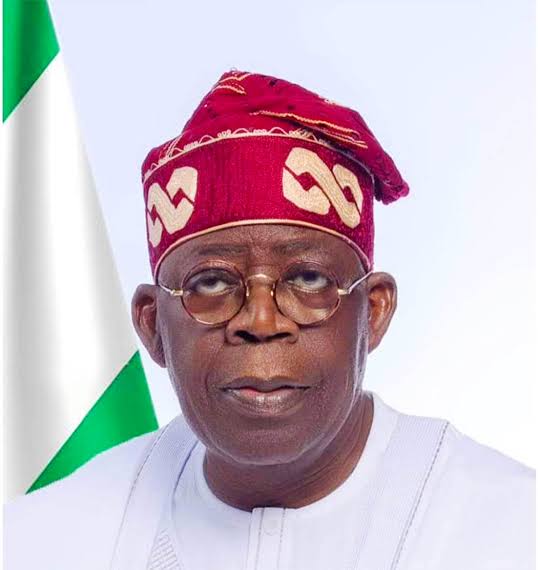
Tinubu defends fresh loans to fund infrastructure and achieve a $1tn economy by 2030 as the NLC demands accountability over Nigeria’s debt

President Bola Tinubu has defended his administration’s plan to secure fresh external loans, arguing that Nigeria must invest heavily in infrastructure to achieve its ambition of becoming a $1 trillion economy by 2030, despite concerns from organised labour over the country’s growing debt obligations.
Also read:Grey CEO Urges Africa to Ditch Dollar for Trade
In a statement titled *From Reforms to Delivery: Our Infrastructure Investment and Growth Strategy*, Tinubu said the proposed borrowing would finance roads, electricity projects, port upgrades and other investments intended to expand economic activity, attract private capital and create employment.
His defence comes amid growing criticism of the Federal Government’s request for National Assembly approval to pursue external financing worth about $20.52bn and €1.045bn under its 2026–2027 supplementary borrowing plan. The proposal has drawn objections from the Nigeria Labour Congress, which wants the government to explain why additional loans are necessary despite increased revenue following the removal of the petrol subsidy.
“The key question is not how much we borrow, but what we build, the value we create and the future we leave behind,” the President said.
Tinubu maintained that Nigeria could not achieve its economic ambitions without modern infrastructure capable of supporting larger volumes of trade, industrial production and investment.
“We cannot build a $1 trillion economy with infrastructure designed for an economy a fraction of that size,” he added.
The President identified the Lagos-Calabar Coastal Highway, Sokoto-Badagry Superhighway and Trans-Sahara Superhighway among the major projects expected to benefit from the administration’s infrastructure investment strategy.
He also listed improvements to the national electricity grid and upgrades to major commercial ports in Lagos, alongside investments in healthcare, education and vocational training.
According to Tinubu, the projects are intended to connect economic regions, reduce the cost of moving goods, support agricultural production and strengthen industrial activity.
He said the Lagos-Calabar Coastal Highway alone could reduce transport costs along its route by between 15 and 20 per cent and contribute up to two per cent to Nigeria’s gross domestic product through increased trade, tourism and industrial activity.
The President also projected that the highway could generate about 100,000 direct jobs in construction and engineering, alongside more than 150,000 indirect jobs in logistics, building materials and related industries.
“We are building more than highways. We are opening economic corridors, connecting markets, supporting industries and reshaping Nigeria’s economic geography,” he said.
These employment and economic benefits remain government projections, rather than independently established outcomes. Their eventual impact will depend on project completion, implementation costs, utilisation and the extent to which the infrastructure improves commercial activity.
In defending the borrowing strategy, Tinubu also highlighted economic indicators which he said showed improvements since his administration introduced major reforms in May 2023.
He cited the removal of the petrol subsidy, the unification of exchange rates, tax reforms and efforts to contain inflation as measures intended to strengthen public finances and improve the country’s economic position.
According to the President, Nigeria recorded economic growth of 4.43 per cent in the second quarter of 2026, while headline inflation fell to 14.63 per cent in September, compared with 20.98 per cent in the corresponding period of 2025.
He also said gross external reserves stood at $55.1bn as of October 9, including approximately $46bn in net reserves.
Tinubu further stated that Nigeria’s tax-to-GDP ratio had increased to 12.5 per cent from seven per cent, while net allocations from the Federation Account Allocation Committee rose by 44 per cent, from N15.2tn in 2024 to N21.9tn in 2025.
The President argued that the improvements had strengthened investor confidence and helped Nigeria secure financing on more favourable terms.
He pointed to assessments by international credit rating agencies, the country’s return to Frontier Market status and its successful Eurobond issuance as indications of improving financial credibility.
Tinubu also said the government was seeking longer-term financing arrangements so that repayment periods would correspond more closely with the lifespan of the projects being funded. He argued that this approach could reduce pressure from frequent repayments and secure better borrowing conditions.
However, he acknowledged the importance of managing public spending and debt obligations. He put public debt at 35.75 per cent of GDP in the second quarter of 2026 and said debt servicing accounted for about 65 per cent of government revenue in the first half of the year.
The President added that the Federal Executive Council’s economic plan included avoiding the printing of money to finance budget deficits and preventing spending commitments that were not supported by available funds, particularly during the pre-election period.
The Nigeria Labour Congress has challenged the government’s justification for seeking additional external financing, arguing that the removal of the petrol subsidy and increased allocations to states should have improved the resources available for development.
NLC President Joe Ajaero raised the concerns during an appearance on Channels Television’s *The Morning Brief* on Thursday, questioning why the Federal Government continued to seek loans from international financial institutions when it had reported higher revenue.
“If you come out to tell us that subsidy is gone, that you are making more money and then you are giving more money to states, what is the justification for continually borrowing from the International Monetary Fund and the World Bank and other agencies when there is enough money?” he asked.
Ajaero also questioned the government’s borrowing plans in light of rising crude oil prices, arguing that higher earnings from oil exports should prompt a reassessment of the need for additional loans.
He noted that the 2026 budget was based on an oil price benchmark of $70 per barrel, while crude prices had risen above $100 per barrel amid tensions involving the United States and Iran.
“If the 2026 budget was prepared with crude oil price benchmarked at $70 per barrel and now sells above $100 per barrel due to the US-Iran crisis, should this country still be taking loans?” he asked.
The labour leader argued that increased oil earnings and higher revenues accruing to oil-producing states made it necessary for the government to explain why further external borrowing remained essential.
Ajaero clarified that the NLC did not have the authority to approve or reject government loans, noting that the responsibility rested with the relevant government institutions. He nevertheless urged Nigerians and public agencies to demand greater transparency and accountability over the borrowing plan.
His criticism reflects a wider debate over whether additional borrowing is justified when the government reports improved revenue and economic indicators, particularly given the cost of servicing existing debt.
The disagreement highlights two competing considerations in Nigeria’s economic policy. The Federal Government argues that borrowing can finance productive assets capable of expanding the economy and generating future revenue. Critics, meanwhile, want evidence that existing public resources and previous loans have been used effectively before the country assumes further obligations.
The proposed borrowing plan has also attracted scrutiny from lawmakers. Senator Victor Umeh, for instance, questioned the government’s handling of previous borrowing approvals, raising concerns about unpaid contractors and the implementation of capital projects.
The National Assembly is therefore central to the next stage of the process. Tinubu’s request requires legislative consideration and approval before the proposed external financing can proceed.
The scale of the request also makes the terms of the facilities important, including their interest rates, repayment schedules, currency exposure and the projects expected to benefit. For foreign-currency loans, movements in the naira could affect the domestic cost of repayment.
Tinubu, however, insisted that the success of the strategy should not be measured simply by the amount borrowed, but by whether the financing produces completed projects and tangible improvements in people’s lives.
“Securing financing is only the beginning. The real achievement lies in completing projects, delivering value for money, and improving Nigerians’ lives,” he said.
Also read:Grey CEO Urges Africa to Ditch Dollar for Trade
For Nigerians, the central test will be whether the proposed infrastructure investments translate into more reliable electricity, lower transport costs, stronger businesses and employment opportunities without placing an unsustainable burden on future public finances.


The Nigerian Computer Society and Green Lunar Nigeria are strengthening ties to promote digital innovation, professional development and technology growth

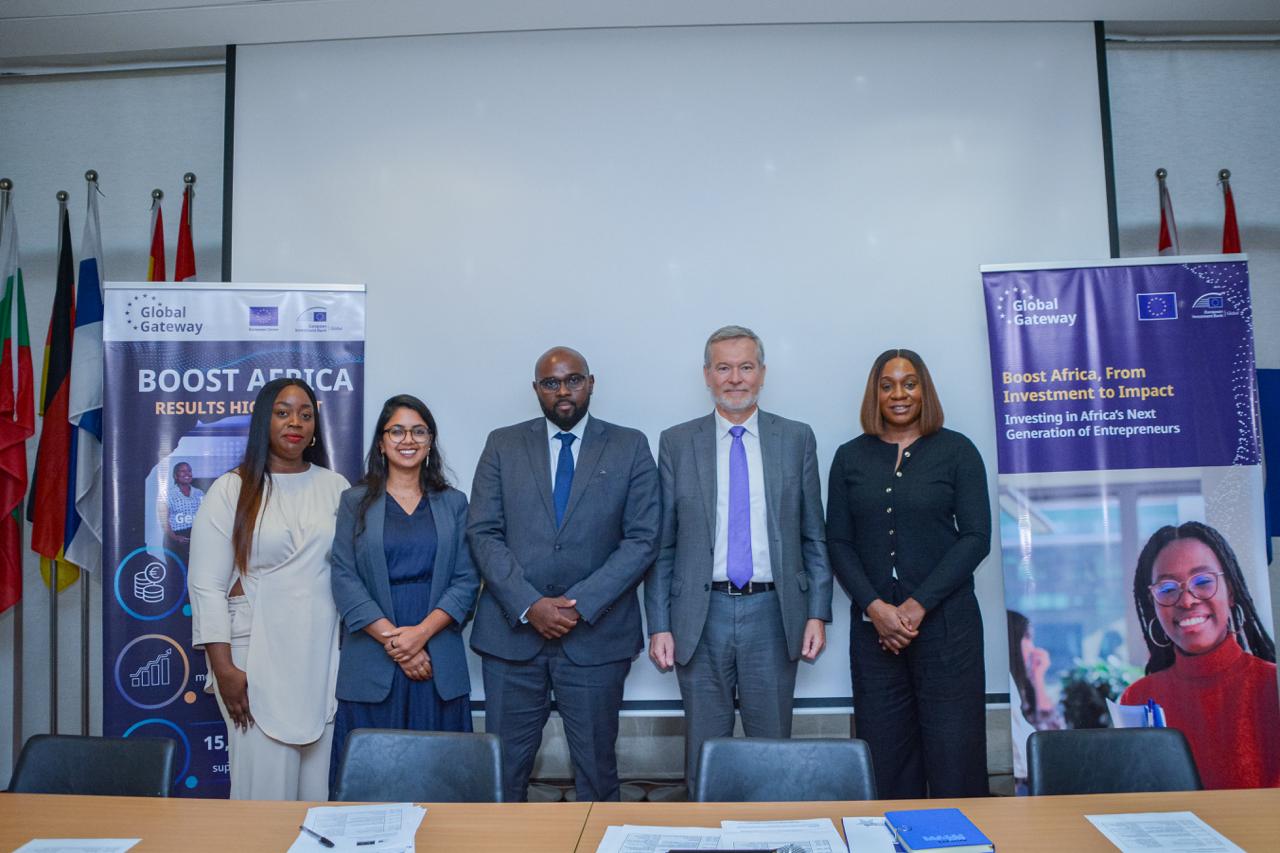
Boost Africa, a joint initiative of the European Investment Bank (EIB) and the African Development Bank (AfDB), supported by the European Union, is launching “From Capital to Impact,” a communications campaign highlighting the achievements of the initiative and the experiences of innovative Nigerian businesses supported through its venture capital investments.
Running from 1 November to 31 December 2026, the campaign will bring the impact of Boost Africa closer to the public through entrepreneurial success stories, investment insights, digital storytelling and media engagement.
Launched to address financing challenges facing innovative African businesses, Boost Africa has helped strengthen the continent’s venture capital ecosystem by investing in funds that provide financing and strategic support to promising startups and growing enterprises.
The initiative demonstrates how development finance can help mobilise private investment and enable businesses to develop solutions, expand operations, reach new markets and create employment opportunities.
Putting Businesses and People Behind the Numbers
At the heart of the campaign are stories of Nigerian businesses whose growth journeys illustrate the wider impact of investment.
The campaign will feature companies including Daya, ChipMango and TradeDepot, highlighting their innovations, entrepreneurial journeys and experiences working with venture capital funds supported by Boost Africa.
From developing cross-border financial infrastructure to strengthening digital commerce and creating opportunities for technology talent, these businesses demonstrate how investment can support solutions to real economic and societal challenges.
Through founder interviews, beneficiary success-story videos, digital content and editorial features, the campaign will explore not only the financing received by businesses but also the expertise, networks and strategic support that help them grow.
From Investment to Measurable Impact
Boost Africa’s achievements extend beyond the capital committed to venture funds.
According to EIB-reported results as of December 2023, the initiative had invested €88 million, supported approximately 15,000 jobs and helped mobilise nearly €400 million in additional investment across Africa.
These figures illustrate the potential of development finance to catalyse private investment and strengthen the businesses contributing to Africa’s economic transformation.
The campaign will connect these broader achievements with the experiences of Nigerian entrepreneurs, investors, employees and customers, demonstrating how investment translates into tangible opportunities.
Amplifying Africa’s Entrepreneurial Success Stories
The From Capital to Impact campaign will feature a coordinated programme of social media
storytelling, video documentaries, thought-leadership articles and online media publications.
It will also provide perspectives from venture capital fund managers on the importance of patient capital, technical expertise, business networks and investment partnerships in helping African enterprises scale.
By making investment outcomes more visible and accessible, the campaign aims to strengthen public understanding of Boost Africa’s contribution to entrepreneurship, innovation and sustainable economic development.
The central message is simple: the true value of investment is reflected not only in the capital deployed, but in the businesses strengthened, opportunities created and impact made possible.
About Boost Africa
Boost Africa is a joint initiative of the European Investment Bank and the African Development Bank, supported by the European Union. The initiative promotes
entrepreneurship and innovation across Africa by supporting venture capital funds investing in innovative startups and growing businesses, alongside complementary technical assistance and ecosystem support.


-
Politics3 years ago
13 Ondo Assembly Members Disown Endorsement of Aiyedatiwa
-
Politics3 years ago
APC Group, Ondo Govt, Quarrel Over Money for Endorsement
-

 Trending News5 years ago
Stop unsavoury, inciting statements – DSS warns
-

 Others5 years ago
Adron Homes Celebrates 10 Years Of Housing Excellence
-

 Humanity5 years ago
President Buhari Commiserates With Ambassador Maureen Tamuno Over The Loss Of Her Father
-

 Others7 years ago
EX- CUSTOMS BOSS, IBRAHIM MERA’S DWINDLING FAME
-

 Business3 years ago
Bigi Carbonated Soft Drinks Treats 40 Consumers to an Epic Easter Movie Hangout
-

 Business2 years ago
Wema Bank Shines at Global SME Finance Forum Conference Awards 2024 …Awarded: • SME Financier of the Year (Africa) • Platinum Award for Best Financier for Women Entrepreneurs (Africa)