
Business
Cocoa operators urge FG to mandate chocolate in schools, boost local demand
Cocoa stakeholders urge Nigerian government to mandate chocolate in schools to grow local demand and revive the cocoa industry’s processing potential.


Cocoa stakeholders urge Nigerian government to mandate chocolate in schools to grow local demand and revive the cocoa industry’s processing potential

Cocoa operators urge FG to revive Nigeria’s cocoa industry by mandating the local consumption of chocolate, particularly through school feeding programmes.
Also read: ‘We will take drastic decisions that will shape Nigeria’s Economy for Good’ – Minister for Investment, Trade and Industry; Dr Doris Uzoka-Anite
The call, renewed by industry leaders under the Cocoa Association of Nigeria (CAN) and Cocoa Farmers Association of Nigeria (CFAN), highlights the urgent need to build a local market to complement Nigeria’s export-heavy cocoa economy.
The operators criticised the low domestic consumption of cocoa products despite Nigeria’s position among the world’s top producers of raw cocoa.
According to CAN President Mufutau Abolarinwa, chocolate should become a staple in the diets of Nigerian schoolchildren, beginning from primary to tertiary institutions.
“Chocolate is not widely consumed locally. And we ask, what can the government do to create a chocolate market? It’s simple.
The government should make it mandatory to give chocolate to children of school age,” he said. Abolarinwa believes that early exposure will nurture a future generation of cocoa consumers.
His argument is echoed by CFAN President Adeola Adegoke, who said Nigeria cannot compete globally in chocolate production if it lacks a domestic market.
“If you are producing chocolate and the market of consumption is not in Africa or Nigeria, why do you engage in it?” he asked, noting that the country has strong potential in cocoa production and intermediate processing.
Despite producing more than 280,000 tonnes of cocoa in 2023, Nigeria imports cocoa powder containing sugar worth over ₦4.6 billion, according to the National Bureau of Statistics.
Most cocoa powder and butter processed locally are exported, with only a small fraction used by beverage, biscuit and ice-cream producers within Nigeria.
Stakeholders blame the poor consumption culture on ignorance of cocoa’s health benefits and the absence of targeted government policies.
Abolarinwa stressed that cocoa-based products such as chocolate are vital for children’s brain development and should be part of the Home Grown School Feeding Programme. “The government should subsidise it for them,” he added, pointing to its long-term value.
Adegoke also urged capacity building through training for women and youth in cocoa-based enterprises. “We can continue to leverage it in terms of making sure to train our children, our youth, our women to be creative, to advocate for consumption,” he said.
The operators acknowledged growth in the cocoa powder market, especially with companies like Cadbury and Nestlé purchasing locally. However, they warned that until Nigeria builds internal consumption, foreign buyers will continue to dictate prices that do not favour producers.
Abolarinwa concluded by saying, “Once they know that you also consume it locally, then they will be begging you to get the product from you.”
Also read: Nigeria’s Energy Transition Prioritises Job Creation, Says Minister
The consensus among operators is clear: without local demand, the cocoa industry’s growth will remain stunted, and its vast economic potential untapped.


Business
Can African Engineers Compete Globally? ChipMango Is Creating Opportunities in the semiconductor Industry
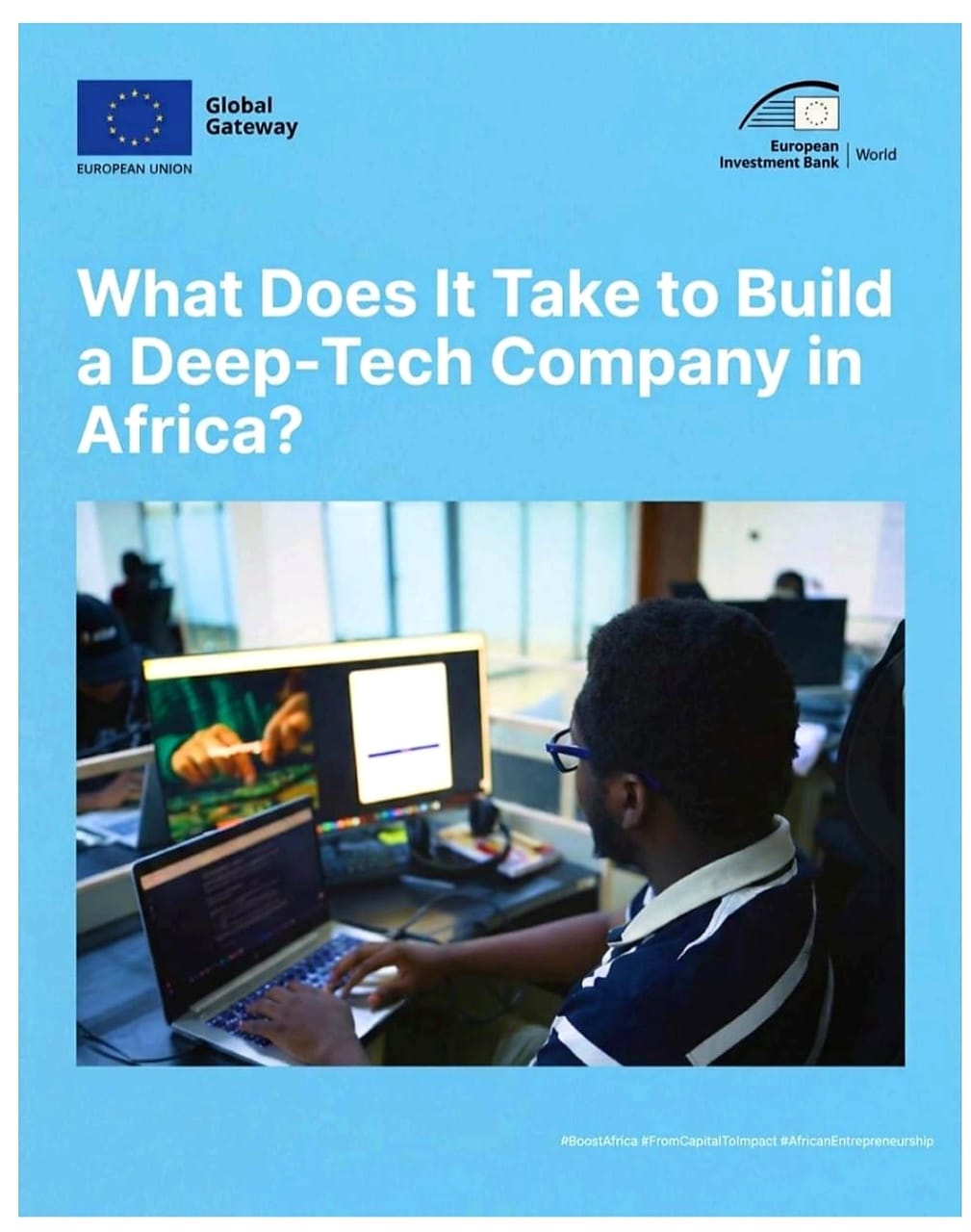
The semiconductor industry requires highly specialised engineering knowledge.
For African engineers, gaining access to professional tools, industry experience and international opportunities can open
important doors.
ChipMango is working at the intersection of talent development and commercial engineering, creating pathways for African expertise to contribute to a global industry.
The growth of businesses like ChipMango also highlights the importance of investment in Africa’s innovation ecosystem. Through Boost Africa, a joint initiative of the EIB and African Development Bank, supported by the European Union, the European Investment Bank helps mobilise financing through venture capital funds for innovative African businesses. Watch the video to hear the story behind ChipMango.
Watch the video:
Business
From Classroom to Industry: How ChipMango Is Preparing African Engineers for the Semiconductor Market
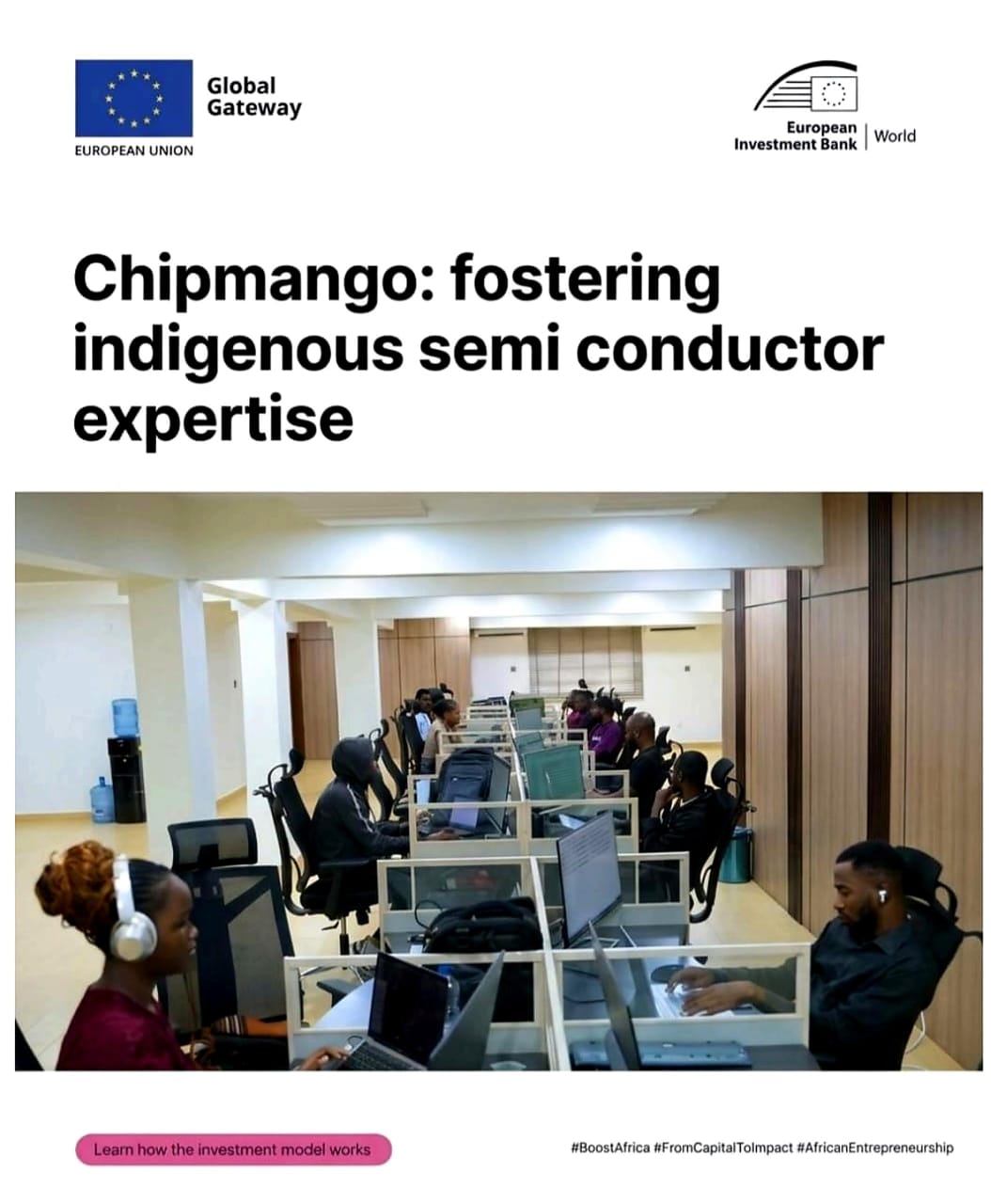
Studying engineering is one thing. Having the opportunity to apply that knowledge to real industry projects is another.
ChipMango connects industry-aligned learning with practical semiconductor design and verification work, giving
engineers a pathway to develop skills relevant to commercial projects.
Its work illustrates why investment in African innovation must also consider the talent, technical expertise and infrastructure required to build competitive businesses.
Through Boost Africa, the European Investment Bank (EIB) supports African entrepreneurship by investing through venture capital funds, helping innovative businesses access the capital and support they need to develop and grow.
Watch the video to learn more about ChipMango’s approach.
Watch the video:

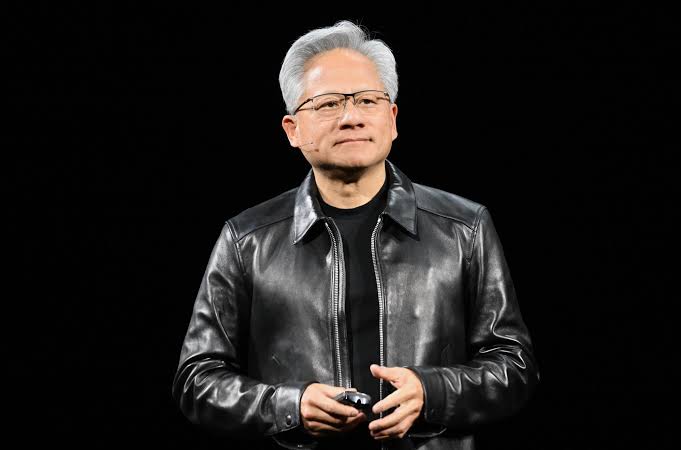
Jensen Huang resigns as NVIDIA CEO after 33 years, with CFO Colette Kress appointed interim chief as the board searches for a successor
-
Politics3 years ago
13 Ondo Assembly Members Disown Endorsement of Aiyedatiwa
-
Politics3 years ago
APC Group, Ondo Govt, Quarrel Over Money for Endorsement
-

 Trending News6 years ago
Stop unsavoury, inciting statements – DSS warns
-

 Others5 years ago
Adron Homes Celebrates 10 Years Of Housing Excellence
-

 Humanity5 years ago
President Buhari Commiserates With Ambassador Maureen Tamuno Over The Loss Of Her Father
-

 Others7 years ago
EX- CUSTOMS BOSS, IBRAHIM MERA’S DWINDLING FAME
-

 Business3 years ago
Bigi Carbonated Soft Drinks Treats 40 Consumers to an Epic Easter Movie Hangout
-

 Business2 years ago
Wema Bank Shines at Global SME Finance Forum Conference Awards 2024 …Awarded: • SME Financier of the Year (Africa) • Platinum Award for Best Financier for Women Entrepreneurs (Africa)