
Trending News
Gbenga Daniel Redefined Ogun With Transformative Leadership


Gbenga Daniel Legacy redefined Ogun through bold infrastructure, education, healthcare, and economic reforms, leaving an enduring foundation for growth

Gbenga Daniel Legacy is widely regarded as one of the most impactful in the history of Ogun State.
Also read: Ogun East Residents Regain Sight through Gbenga Daniel Eye Care Outreach
By the time he left office in 2011, the state had undergone a remarkable transformation—emerging as a model of strategic growth, innovation, and inclusive governance.
One of the most visible hallmarks of the Gbenga Daniel Legacy was his unwavering commitment to infrastructure.
His administration built and rehabilitated major roads such as the Sagamu-Benin Expressway link, Abeokuta-Sagamu interchange, and numerous feeder roads that opened up rural areas and improved economic access.
Daniel’s government also embarked on modern housing projects like the OPIC estates, while constructing bridges, markets, and transport terminals—solidifying Ogun’s reputation as a future-forward business hub.
Daniel understood that real progress begins with people.
His administration founded the Tai Solarin University of Education (TASUED)—Nigeria’s first specialized education university—and revitalized the Olabisi Onabanjo University.
ICT centers were established across secondary schools to prepare youth for a digital economy.
By distributing free textbooks and subsidizing tuition fees, Daniel democratized education, enabling children from all backgrounds to access quality learning.
Healthcare was another pillar of the Gbenga Daniel Legacy.
His administration upgraded general hospitals, modernized the Olabisi Onabanjo University Teaching Hospital, and established primary healthcare centers across all 20 LGAs.
Rural populations benefited from mobile medical outreach and free healthcare initiatives—marking a decisive shift in healthcare accessibility.
Perhaps Daniel’s most strategic legacy lies in industrialisation.
He repositioned Ogun as Nigeria’s industrial frontier through the establishment of the Ogun State Free Trade Zone, attracting both local and international investors.
His government aggressively marketed Ogun as investment-friendly—paving the way for today’s booming industrial corridor along the Lagos-Ibadan axis.
Agriculture also received attention. Daniel promoted mechanized farming, introduced improved seedlings, and supported cooperative farming schemes—boosting food security and rural income.
As a custodian of Yoruba heritage, Daniel reinvigorated Ogun’s cultural identity.
His government revived historic sites, promoted indigenous arts, and launched the annual Gateway Festival.
Investments in tourist attractions like Olumo Rock helped establish Ogun as a destination for local and foreign tourists.
The Gbenga Daniel Legacy is incomplete without his people-centered programs.
From youth skills training to women’s empowerment and SME support, his administration created micro-credit schemes and business incubation platforms—ensuring that prosperity reached every corner of the state.
Gbenga Daniel’s eight-year tenure didn’t just build roads and institutions—it charted a new course for Ogun’s future.
Long after leaving office, his policies and projects remain key drivers of the state’s development.
Now serving as a Senator of the Federal Republic, Otunba Daniel continues to influence Nigeria’s political and development discourse.
Also read: Rotary Public Image Seminar Boosts Visibility Through Media Advocacy
Yet, to many in Ogun, his governorship stands as a golden chapter—when vision met action, and transformation became reality.



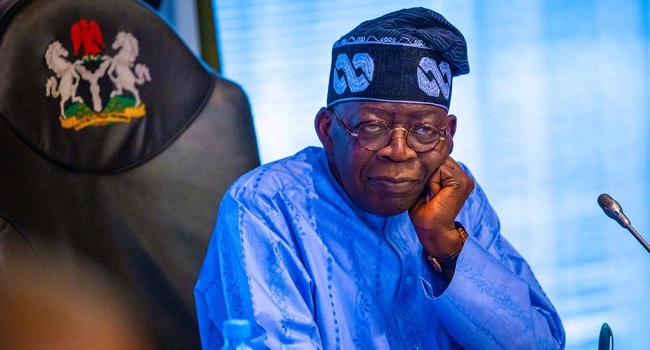
Tinubu audit targets ghost workers and fake agencies as Nigeria confronts costly gaps in payroll, budgets and public-sector governance
News
URGENT APPEAL FOR SUPPORT FOR H.E. ADEBOWALE (DEBO) ADESINA, FORMER NIGERIAN AMBASSADOR TO TOGO.

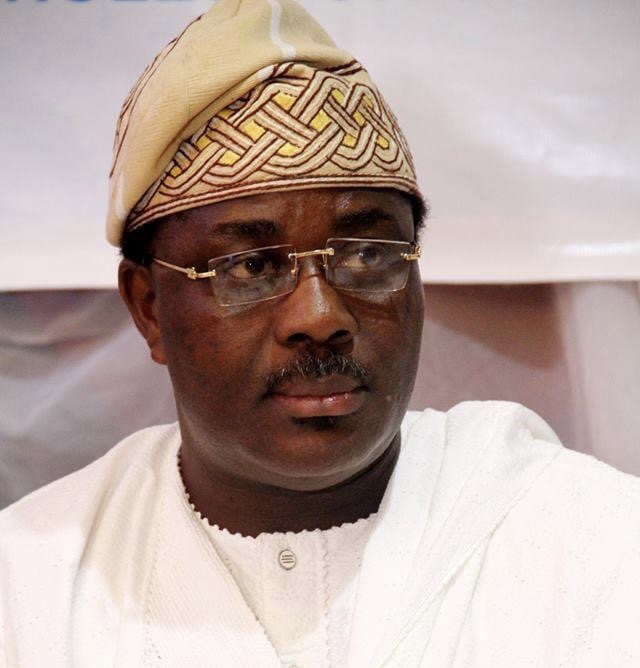
The former Nigerian envoy to Togo has remained hospitalised in Canada after suffering a massive stroke, with outstanding medical bills exceeding CAD $205,000
-
Politics3 years ago
13 Ondo Assembly Members Disown Endorsement of Aiyedatiwa
-
Politics3 years ago
APC Group, Ondo Govt, Quarrel Over Money for Endorsement
-

 Trending News5 years ago
Stop unsavoury, inciting statements – DSS warns
-

 Others5 years ago
Adron Homes Celebrates 10 Years Of Housing Excellence
-

 Humanity5 years ago
President Buhari Commiserates With Ambassador Maureen Tamuno Over The Loss Of Her Father
-

 Others7 years ago
EX- CUSTOMS BOSS, IBRAHIM MERA’S DWINDLING FAME
-

 Business2 years ago
Bigi Carbonated Soft Drinks Treats 40 Consumers to an Epic Easter Movie Hangout
-

 Business2 years ago
Wema Bank Shines at Global SME Finance Forum Conference Awards 2024 …Awarded: • SME Financier of the Year (Africa) • Platinum Award for Best Financier for Women Entrepreneurs (Africa)