
Trending News
Gbenga Daniel Hails Finland’s Terrorism Ruling on Simon Ekpa


Gbenga Daniel on Simon Ekpa hails Finnish court’s terrorism ruling as a bold global stand against violent extremism and support for Nigeria’s sovereignty

Gbenga Daniel on Simon Ekpa reflects a resounding endorsement of global accountability as the Nigerian Senator and President of the Nigerian Finnish Association praised Finland’s terrorism conviction of the Biafra agitator as a “watershed moment” in transnational justice.
Also read: ADC Lagos PVC Registration Drive Boosts 2027 Election Hopes
Simon Ekpa, found guilty by Finland’s Päijät-Häme District Court on Monday, was sentenced to six years in prison for participating in a terrorist organisation and inciting crimes for terrorist purposes.
The charges stem from his incitement of violence and imposition of sit-at-home orders that disrupted life in South-Eastern Nigeria, causing fear, economic paralysis, and loss of life.
In a statement released Tuesday, Senator Gbenga Daniel, who also represents Ogun East in the Nigerian Senate, commended the Finnish government and judiciary for their “resolute and judicious” actions, saying the ruling sent a clear message that terrorism—no matter where it originates—will not be tolerated by civilised nations.
“This is more than a Finnish legal case,” Daniel stated. “It is a powerful global message: no nation is an island, and the tentacles of terrorism, wherever they are planned or executed from, will be severed by the collective will of the world.”
Describing the ruling as a “cornerstone of mutual trust,” Gbenga Daniel on Simon Ekpa emphasized that it marks a turning point in Nigeria-Finland bilateral relations—moving beyond diplomacy into actionable cooperation on justice and security.
He also stressed that Ekpa’s acts were not expressions of political opinion but criminal actions that endangered lives and undermined Nigeria’s unity.
“The unity of Nigeria is non-negotiable,” Daniel declared. “This verdict sends an unequivocal message to those who would attempt to destabilize our country from abroad.”
Senator Daniel drew a crucial distinction between free speech and incitement to violence, lauding the Finnish judiciary for focusing not on silencing a cause but condemning the violent methods used.
“What was on trial here was not freedom of expression, but terrorism—a method that is an affront to humanity itself,” he said.
Also read: Rotary Public Image Seminar Boosts Visibility Through Media Advocacy
Concluding his statement on behalf of the Nigerian Finnish Association, Daniel extended heartfelt appreciation to the Finnish authorities, noting that their upholding of due process offers “a measure of solace to victims in Nigeria” and fortifies the fabric of international law.



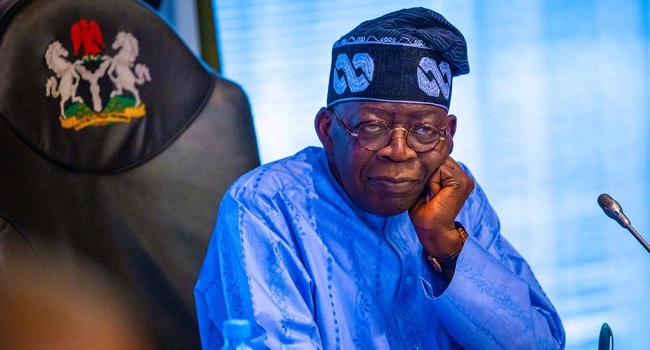
Tinubu audit targets ghost workers and fake agencies as Nigeria confronts costly gaps in payroll, budgets and public-sector governance
News
URGENT APPEAL FOR SUPPORT FOR H.E. ADEBOWALE (DEBO) ADESINA, FORMER NIGERIAN AMBASSADOR TO TOGO.

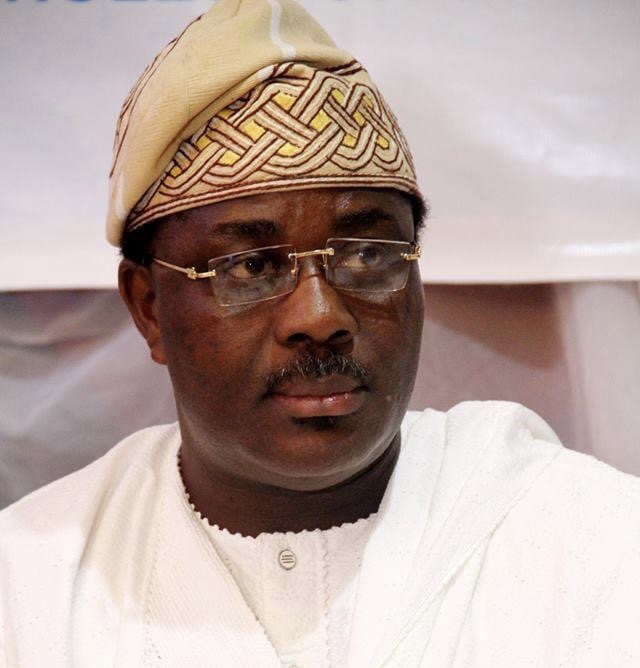
The former Nigerian envoy to Togo has remained hospitalised in Canada after suffering a massive stroke, with outstanding medical bills exceeding CAD $205,000
-
Politics3 years ago
13 Ondo Assembly Members Disown Endorsement of Aiyedatiwa
-
Politics3 years ago
APC Group, Ondo Govt, Quarrel Over Money for Endorsement
-

 Trending News5 years ago
Stop unsavoury, inciting statements – DSS warns
-

 Others5 years ago
Adron Homes Celebrates 10 Years Of Housing Excellence
-

 Humanity5 years ago
President Buhari Commiserates With Ambassador Maureen Tamuno Over The Loss Of Her Father
-

 Others7 years ago
EX- CUSTOMS BOSS, IBRAHIM MERA’S DWINDLING FAME
-

 Business2 years ago
Bigi Carbonated Soft Drinks Treats 40 Consumers to an Epic Easter Movie Hangout
-

 Business2 years ago
Wema Bank Shines at Global SME Finance Forum Conference Awards 2024 …Awarded: • SME Financier of the Year (Africa) • Platinum Award for Best Financier for Women Entrepreneurs (Africa)