
Economy
Mobile Money Accounts Dominate Borrowing as Savings Rise Across Africa

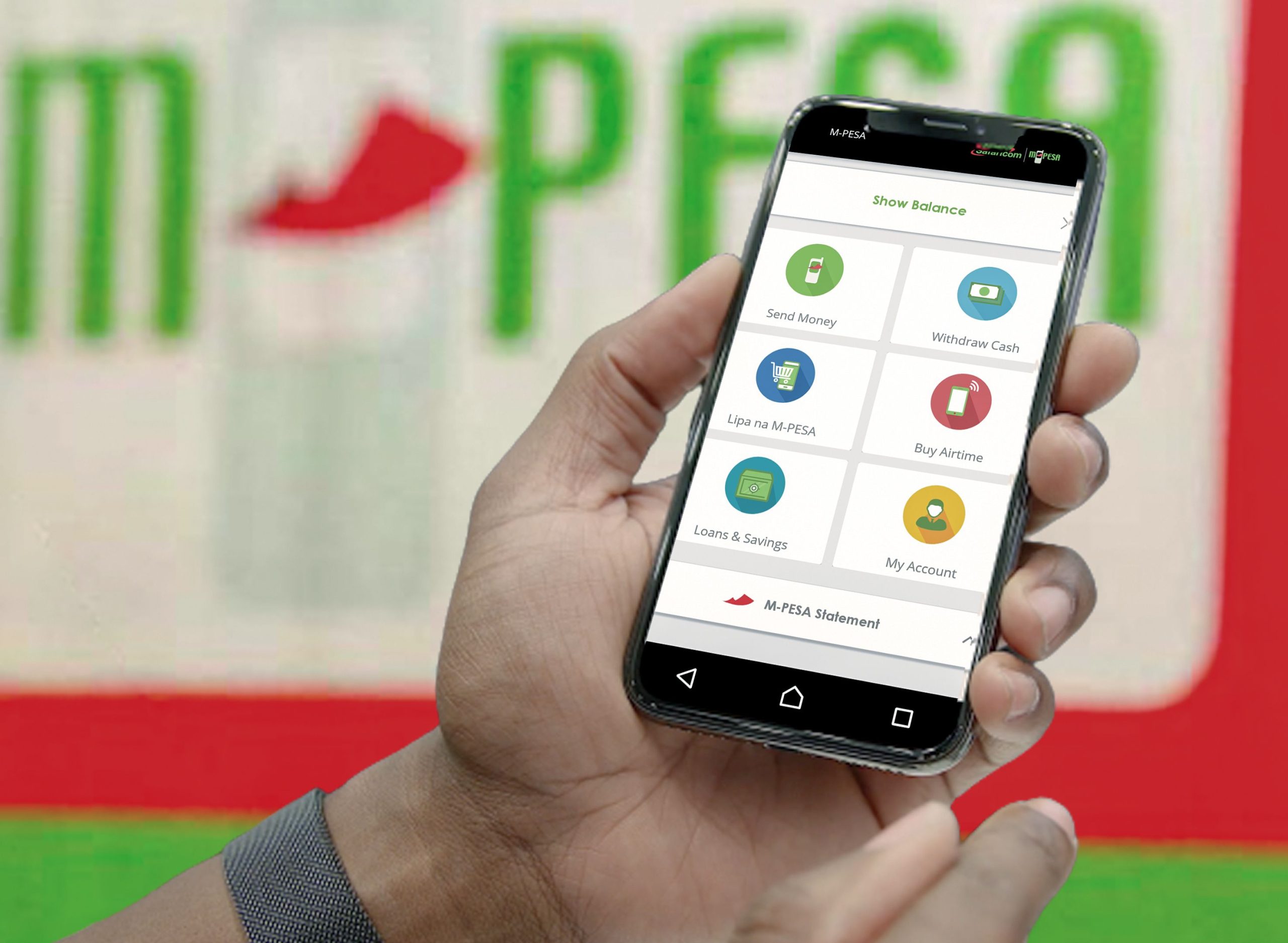
Mobile money accounts dominate formal borrowing in Sub-Saharan Africa and have increased savings access, reshaping the region’s financial inclusion efforts

Mobile money accounts dominate formal borrowing in Sub-Saharan Africa, with new World Bank data revealing their transformative role in expanding financial access, especially among rural and low-income populations.
Also read: MTN Group Announces Mobile Money Partnership With Flutterwave
According to the World Bank’s Global Findex Database 2025 report released on July 16, 2025, 23% of adults in the region saved money through mobile accounts in 2024.
This far outpaces the 9% savings average across other low- and middle-income countries and reflects a broader digital shift in financial behaviour across the continent.
The report notes that countries like Ghana, Kenya, Senegal, Uganda, and Zambia have become leaders in mobile financial inclusion, with around half of adults in each of these countries using mobile money platforms to save.
Mobile money account ownership in Sub-Saharan Africa rose from 27% in 2021 to 40% in 2024, indicating steady growth in financial participation.
The trend has also benefited telecom giants such as MTN Group, Orange, Vodacom, Airtel Africa, and Safaricom, whose mobile finance services have penetrated previously underbanked regions.
This shift has had measurable impact. Formal savings in Sub-Saharan Africa rose by 12 percentage points between 2021 and 2024, reaching 35%—the second-highest global rate after East Asia and the Pacific.
Overall, about 60% of adults now engage in saving activities, whether formally or informally.
However, while saving is on the rise, formal borrowing remains relatively low in the region. Just 12% of adults borrowed formally in 2024, half the global average for comparable economies.
Yet within this group, mobile money accounts dominate: 7% borrowed from mobile money providers, who collectively account for nearly 60% of all formal borrowing.
Mobile money’s rise is reshaping Africa’s financial landscape—expanding inclusion, unlocking savings, and creating new ways to borrow.
Kenya stands out as the most advanced in digital borrowing. There, 32% of adults took loans from mobile money services in 2024—making up 86% of the country’s formal borrowers.
Notably, a quarter of Kenyan borrowers relied exclusively on mobile platforms for credit access.
Still, digital payment adoption is uneven. While 80% of mobile money users made digital payments, only 20% paid merchants directly.
This points to a significant opportunity for growth in business-to-customer mobile payment integration.
The World Bank’s dataset, compiled from over 145,000 adults across 141 countries, highlights how digital connectivity and innovation are bridging financial gaps.
It attributes the rise in financial access to the expansion of mobile networks, widespread smartphone use, and user-friendly mobile finance applications.
“Mobile money’s rise is reshaping Africa’s financial landscape—expanding inclusion, unlocking savings, and creating new ways to borrow,” the report states, emphasising the role of digital tools in tackling long-standing economic exclusion.
Development economists view this as a foundation for improved productivity and resilience in the region.
By saving formally, individuals can better withstand economic shocks, invest in small enterprises, and support education and healthcare needs.
Yet challenges remain. Digital literacy, data costs, and regulatory concerns continue to limit adoption in some areas.
Experts argue that targeted public policies and further investment in digital infrastructure are needed to sustain and expand these gains.
Also read: A Merry & Mobile Season with the New Ecobank Mobile App
Despite these hurdles, the growth of mobile money in Africa signals a quiet revolution. Where brick-and-mortar banks have fallen short, mobile finance has stepped in to democratise access—one digital transaction at a time.



-
Politics3 years ago
13 Ondo Assembly Members Disown Endorsement of Aiyedatiwa
-
Politics3 years ago
APC Group, Ondo Govt, Quarrel Over Money for Endorsement
-

 Trending News5 years ago
Stop unsavoury, inciting statements – DSS warns
-

 Others5 years ago
Adron Homes Celebrates 10 Years Of Housing Excellence
-

 Humanity5 years ago
President Buhari Commiserates With Ambassador Maureen Tamuno Over The Loss Of Her Father
-

 Others7 years ago
EX- CUSTOMS BOSS, IBRAHIM MERA’S DWINDLING FAME
-

 Business2 years ago
Bigi Carbonated Soft Drinks Treats 40 Consumers to an Epic Easter Movie Hangout
-

 Business2 years ago
Wema Bank Shines at Global SME Finance Forum Conference Awards 2024 …Awarded: • SME Financier of the Year (Africa) • Platinum Award for Best Financier for Women Entrepreneurs (Africa)