
Economy
Naira Edges Up Amid Volatility, Offers Sliver of Relief

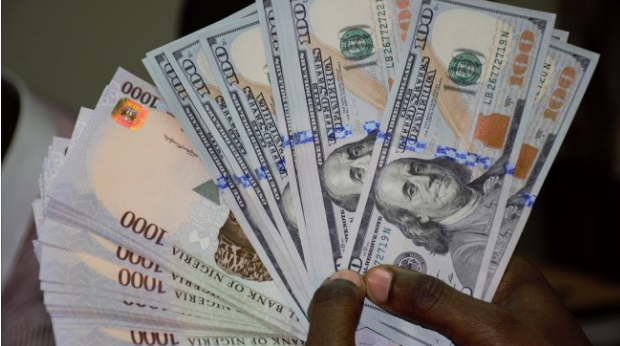
Naira edges up to N1,436.57/$, offering a small relief to Nigerians amid volatility and inflation pressures, says CBN data

Naira concluded a rollercoaster trading week on a positive note Friday, appreciating by 16 kobo to close at N1,436.57 per U.S. dollar in the official Investors and Exporters (I&E) window, according to Central Bank of Nigeria (CBN) data.
Also read: Wakanow acquires NairaBox to expand into lifestyle sector
The incremental 0.01% gain from Thursday’s close of N1,436.74 provides a sliver of stability for investors weary of persistent currency volatility.
Analysts, however, caution that the move may represent little more than a temporary breather in Nigeria’s broader battle against imported inflation and dollar scarcity.
The week’s trading highlighted the Naira’s vulnerability to speculative pressures and external shocks, particularly fluctuations in global oil prices, Nigeria’s primary economic lifeline.
Monday saw the currency open weaker at N1,436.34, down N14.69 from the previous Friday’s N1,421.73, reflecting market jitters over delayed CBN interventions and a growing trade deficit.
A rebound followed Tuesday, with the Naira climbing N2.68 to N1,433.65, supported by modest diaspora remittances and a surprise uptick in non-oil exports.
Yet the relief was fleeting. Wednesday brought a dip to N1,438.49 as importers scrambled for dollars ahead of year-end deadlines, straining liquidity in the parallel market where rates approached N1,600.
Thursday’s partial recovery to N1,436.74 was credited to the CBN quietly mopping up excess dollars, before Friday’s close cemented the week’s narrow gain.
For everyday Nigerians, even a marginally stronger Naira eases the cost of imported staples like rice and fuel, offering faint relief amid 28% headline inflation.
But with foreign reserves dipping below $35 billion and geopolitical tensions in the Sahel disrupting trade, experts urge caution.
Also read: Naira Exchange Rate Decline Continues with 19 Kobo Dip Against Dollar
The CBN, while not specifying details, has hinted that its November Monetary Policy Committee meeting may introduce policy adjustments to curb depreciation and stabilise the currency further.





-
Politics3 years ago
13 Ondo Assembly Members Disown Endorsement of Aiyedatiwa
-
Politics3 years ago
APC Group, Ondo Govt, Quarrel Over Money for Endorsement
-

 Trending News5 years ago
Stop unsavoury, inciting statements – DSS warns
-

 Others5 years ago
Adron Homes Celebrates 10 Years Of Housing Excellence
-

 Humanity5 years ago
President Buhari Commiserates With Ambassador Maureen Tamuno Over The Loss Of Her Father
-

 Others7 years ago
EX- CUSTOMS BOSS, IBRAHIM MERA’S DWINDLING FAME
-

 Business2 years ago
Bigi Carbonated Soft Drinks Treats 40 Consumers to an Epic Easter Movie Hangout
-

 Business2 years ago
Wema Bank Shines at Global SME Finance Forum Conference Awards 2024 …Awarded: • SME Financier of the Year (Africa) • Platinum Award for Best Financier for Women Entrepreneurs (Africa)