
Business
Nigeria’s External Reserves Hit $50bn — CBN


Nigeria’s external reserves have surpassed $50 billion for the first time in 13 years, CBN Governor Olayemi Cardoso says

Nigeria’s gross external reserves have risen above $50 billion, the highest level recorded in more than 13 years.
Also read: NOA and ICRC Launch Gunshot Victims Awareness Campaign
Central Bank of Nigeria Governor Olayemi Cardoso announced the milestone on March 12, 2026.
He spoke during a Distinguished Alumni Lecture at St. Gregory’s College in Lagos as part of the school’s Founders’ Day celebration.
The development comes as the naira shows signs of recovery across segments of the foreign exchange market.
Cardoso said the increase in reserves reflects economic reforms, improved export performance and renewed investor confidence.
He explained that a return to orthodox monetary policy has helped stabilise Nigeria’s financial system.
“Stability cannot be restored through short-term measures alone,” he said.
“It requires disciplined policy and strong institutional foundations.”
Cardoso highlighted the removal of multiple exchange rate systems as a major reform in the foreign exchange market.
He said the gap between the official rate and the parallel market has narrowed sharply.
According to him, the premium has dropped from about 50 per cent in 2022 to less than two per cent.
The improvement reflects greater transparency and increased confidence among investors.
Cardoso added that capital inflows into Nigeria have grown by nearly 200 per cent between 2023 and 2025.
Tight monetary policies have also helped ease inflationary pressures.
Inflation has reportedly declined from a peak of about 34 per cent to around 15 per cent.
The CBN governor also provided an update on the banking sector recapitalisation programme.
The exercise aims to strengthen banks and enable them to finance large-scale investments.
Cardoso said 30 banks have already met the new minimum capital requirements set by the regulator.
In total, 33 financial institutions have raised additional capital through equity injections and other instruments.
He added that the remaining banks are undergoing verification as part of the process.
Speaking to students of his alma mater, Cardoso urged them to embrace multidisciplinary learning.
He said future job markets will reward individuals who combine creativity, technology and analytical thinking.
With the rise of artificial intelligence, fintech and digital platforms, he encouraged young Nigerians to remain adaptable.
“The careers of the next twenty or thirty years will reward those who are curious and willing to learn beyond one field,” he said.
Despite global economic uncertainties, Cardoso expressed confidence in Nigeria’s economic outlook.
Also read: NOA and ICRC Launch Gunshot Victims Awareness Campaign
He said stronger policy foundations and improved financial stability have positioned the country for long-term growth.


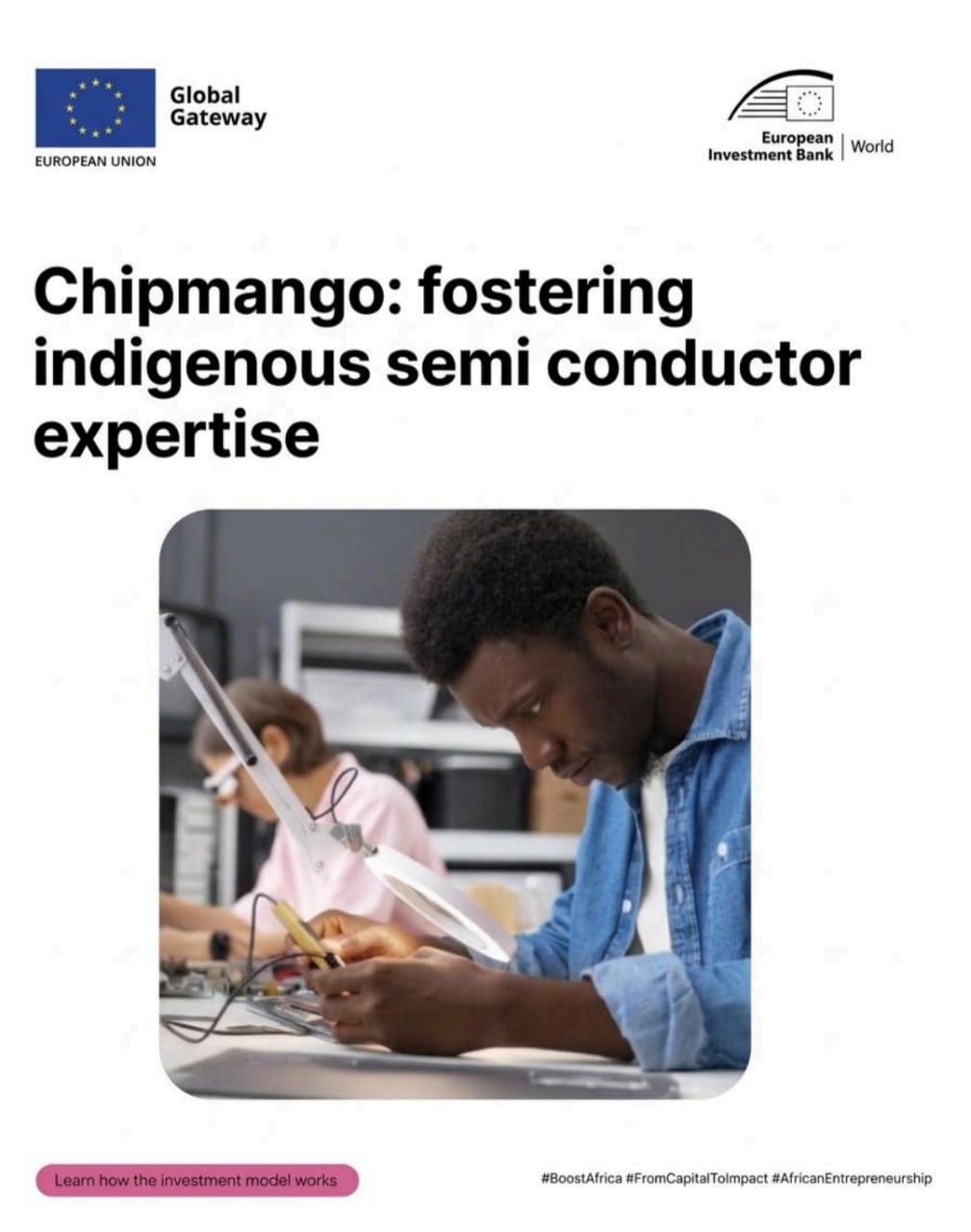
Africa’s technology ecosystem has produced innovative fintech, e-commerce and digital service companies. But there is another important part of the technology value chain that deserves attention: semiconductor engineering.
ChipMango is developing capabilities in chip design, verification and emerging hardware technologies. Its story demonstrates the kind of specialised innovation that deserves greater investment and attention.
Through Boost Africa, a joint initiative of the European Investment Bank (EIB) and African Development Bank, supported by the EU, the EIB helps channel investment through venture capital funds to innovative African enterprises. Discover how this
investment ecosystem is helping create opportunities for businesses working on Africa’s technological future.
Watch the video:
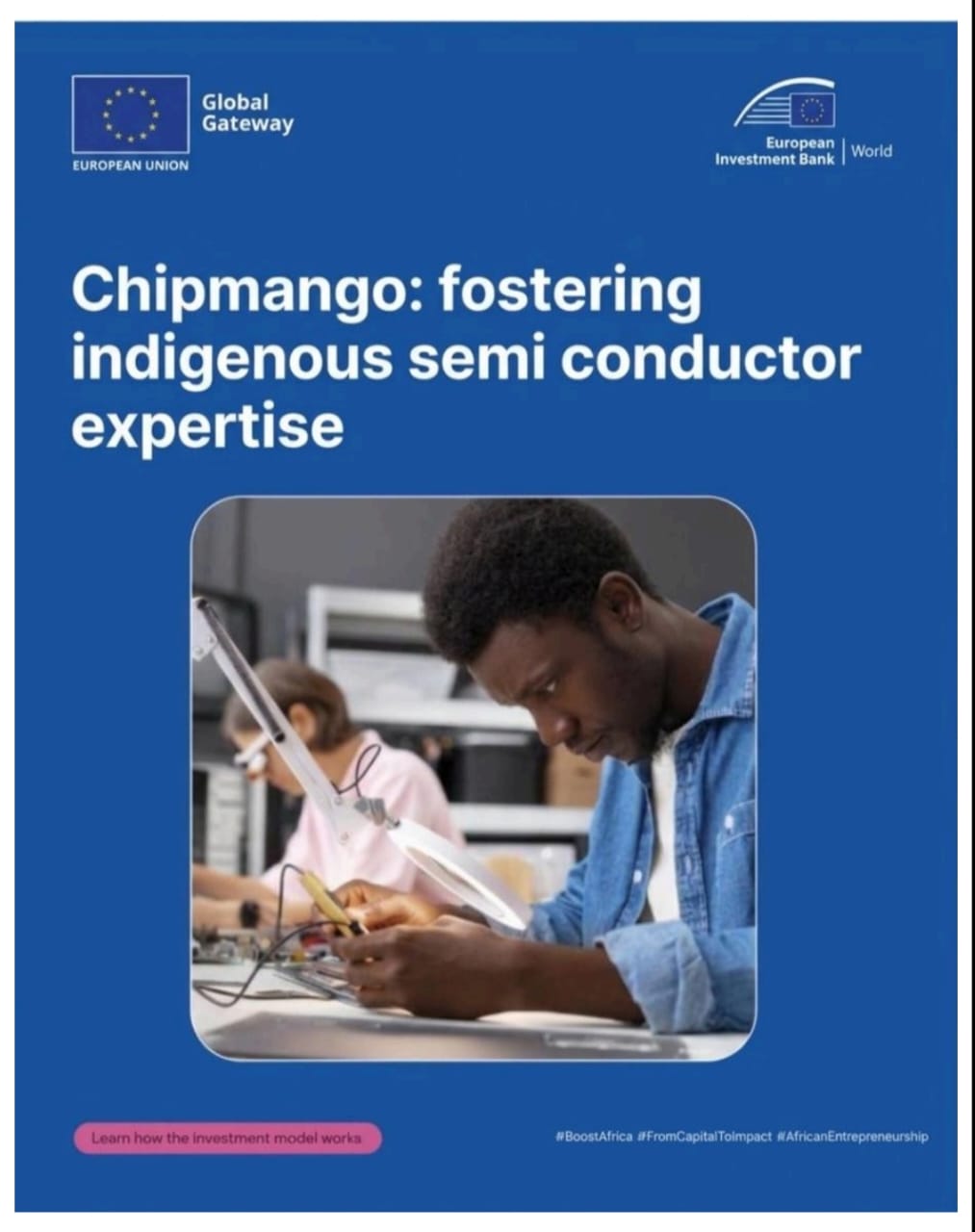
From smartphones and laptops to vehicles and AI systems, semiconductors are essential to modern technology. Yet, the expertise required to design these components remains concentrated in a relatively small number of global
technology hubs.
ChipMango is working to expand access to semiconductor engineering skills and commercial opportunities for African engineers. Its journey also highlights why initiatives such as EIB’s Boost Africa matter. By supporting venture capital funds investing in innovative African businesses, Boost Africa helps strengthen the financing ecosystem needed to develop specialised technology companies. Watch the video to learn how ChipMango is contributing to Africa’s place in the global technology industry.
Watch the video:
Business
ChipMango: Building Nigeria’s Semiconductor Engineering Capabilities for the Global Tech Industry

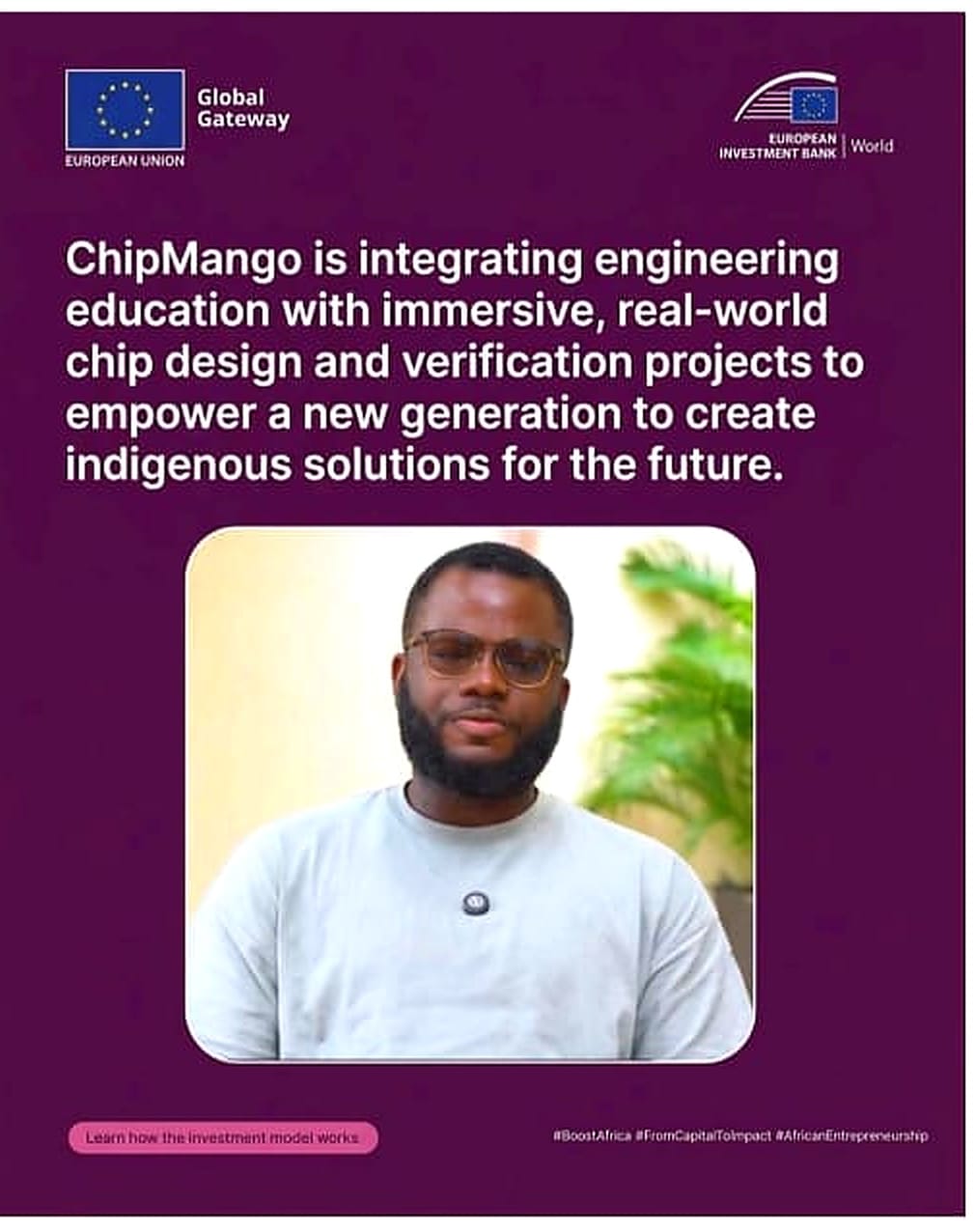
Africa’s participation in the global technology industry should go beyond
using digital products and services.
African engineers also have an opportunity to contribute to the technologies themselves, including the semiconductors that power smartphones, computers, vehicles and artificial intelligence.
Nigerian semiconductor technology company ChipMango is working to develop this capability by connecting engineering education with practical chip-design and verification projects.
Through its investment in African venture capital funds, the European Investment Bank (EIB), under the Boost Africa
initiative, is helping strengthen the ecosystem that supports innovative businesses like ChipMango.
Boost Africa is a joint initiative of the EIB and African Development Bank, supported by the European Union.
Watch the video to discover ChipMango’s story and the opportunities it is helping create.
Watch the video:
-
Politics3 years ago
13 Ondo Assembly Members Disown Endorsement of Aiyedatiwa
-
Politics3 years ago
APC Group, Ondo Govt, Quarrel Over Money for Endorsement
-

 Trending News6 years ago
Stop unsavoury, inciting statements – DSS warns
-

 Others5 years ago
Adron Homes Celebrates 10 Years Of Housing Excellence
-

 Humanity5 years ago
President Buhari Commiserates With Ambassador Maureen Tamuno Over The Loss Of Her Father
-

 Others7 years ago
EX- CUSTOMS BOSS, IBRAHIM MERA’S DWINDLING FAME
-

 Business3 years ago
Bigi Carbonated Soft Drinks Treats 40 Consumers to an Epic Easter Movie Hangout
-

 Business2 years ago
Wema Bank Shines at Global SME Finance Forum Conference Awards 2024 …Awarded: • SME Financier of the Year (Africa) • Platinum Award for Best Financier for Women Entrepreneurs (Africa)