
Event
Rotary District 9112 Schedules Public Image Capacity Session


Rotary District 9112 announces a virtual public image seminar to enhance branding, storytelling, and digital engagement
Rotary District 9112 has announced its second Public Image Seminar, scheduled to hold virtually on April 25, 2026, at 9:00 a.m., as part of efforts to strengthen communication and visibility across its clubs.
Also read: Rotary’s Four- Way Test As A Powerful Lens For Ethical Leadership

The seminar will target Public Image Chairs, Club Presidents, and Rotarians, with a focus on improving branding, storytelling, and digital engagement.
District Governor, Lanre Adedoyin, will serve as Chief Host for the session, which organisers describe as a strategic initiative to deepen impact and enhance public perception.
The event will feature experienced Rotary leaders and public image experts delivering practical sessions.
Oromena Osugo is scheduled to speak on “The Digital Toolkit: Navigating the Brand Center,” offering insights into effective use of Rotary’s branding resources.
Victoria Adigun will present “From Promotion to Perception: Reimagining Public Image as Rotary’s Growth Engine,” focusing on repositioning communication strategies.
Also on the lineup is John Senaya, who will address “Strategic Content Creation: Amplifying Impact via Social Media.”
Chair of the District Public Image Committee, Ehi Braimah, will coordinate the seminar.
Organisers said the training is designed to equip participants with practical tools to boost visibility and communicate Rotary’s work with clarity and impact.
Participation will be virtual, with access details to be shared with registered attendees.
Further enquiries can be directed to Nneka Ifejika via the provided contact line.
Also read: 2027: Oyebanji, Umo, Abiodun Set For 7th Timeline Lecture As Sunday Dare, Omotoso Speaks On News Distortion
The seminar forms part of ongoing efforts by Rotary District 9112 to strengthen its public image and expand its reach across communities.



Wema Bank unveils 21 Hackaholics 7.0 finalists ahead of the November 6 grand finale in Lagos, following a nationwide innovation contest
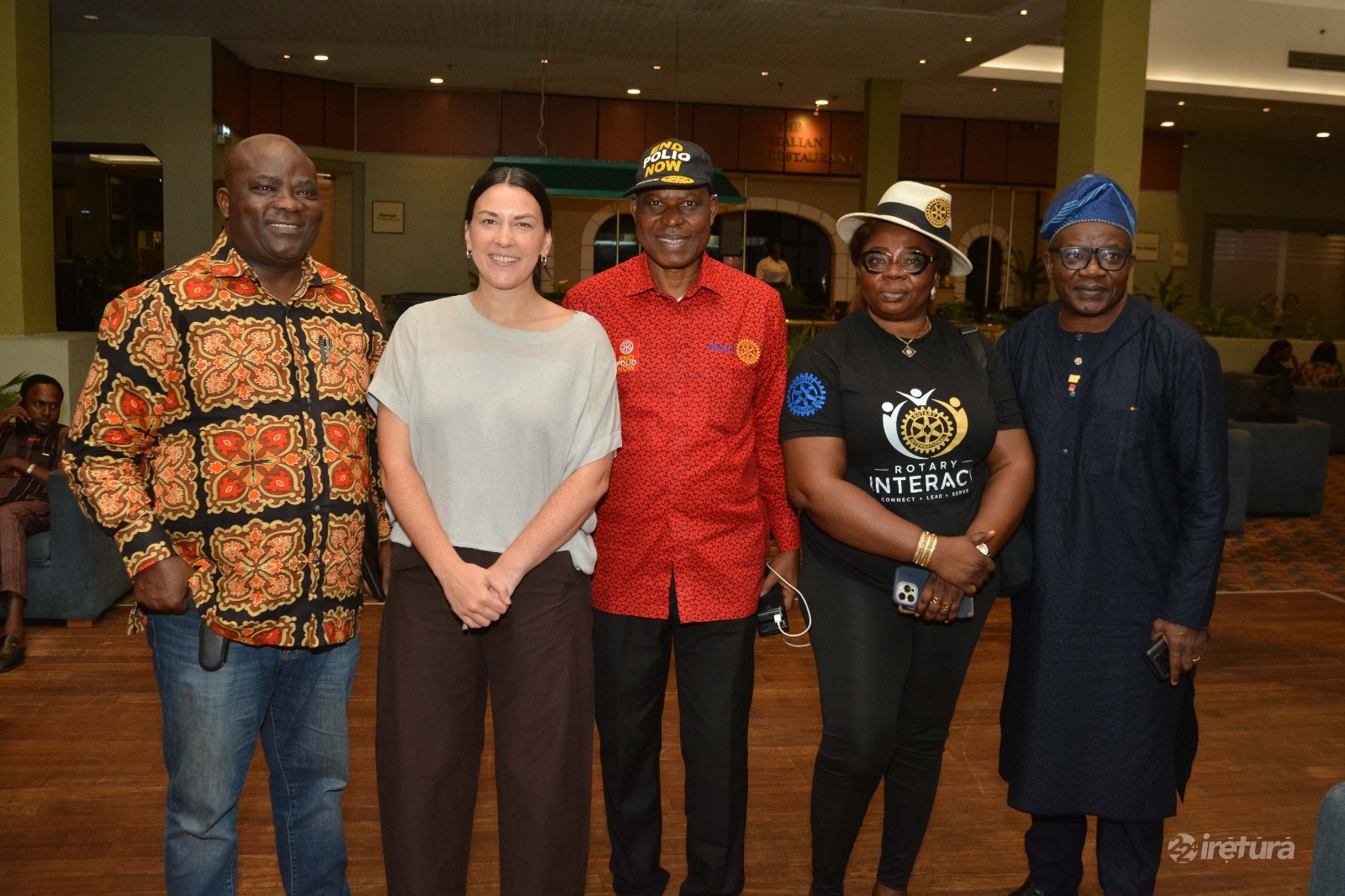
Lea Perekrests arrives in Lagos ahead of the Rotary Peace Summit, urging inclusive governance and community action to build lasting peace


Mrs. Bola Tinubu has underscored the need for stronger corporate governance anchored on board accountability, ethical leadership, effective risk oversight and long-term value creation, warning that the durability of institutions depends on the quality of decisions made in their boardrooms today.
In a message ahead of the Corporate Governance Triangle Annual Colloquium scheduled for Thursday, October 22, Country Managing Partner, DLA Piper Africa said corporate governance must be understood as more than adherence to regulations, stressing that it is fundamental to building resilient institutions, protecting stakeholder interests and sustaining investor confidence.
“Good governance is not simply about compliance. It is about leadership, accountability and making the right decisions for the future,” she said.
The colloquium, convened by the Nigerian Bar Association Section on Business Law (NBA-SBL), the Convention on Business Integrity’s Centre for Leadership and Governance (CloD Nigeria), and the Nigerian Exchange Group (NGX), is themed “Governing for the Future.”
The gathering comes at a time when corporate boards face increasing pressure to demonstrate stronger oversight, transparent decision-making and the capacity to navigate economic volatility, technological disruption and evolving stakeholder expectations.
Tinubu’s position places board effectiveness at the centre of the corporate governance conversation, emphasising that compliance with statutory requirements, while indispensable, is not sufficient to guarantee institutional integrity or sustainable performance.
Effective corporate governance requires boards to establish clear accountability structures, exercise independent judgement, challenge management assumptions and ensure that corporate strategy is aligned with the long-term interests of shareholders and other stakeholders.
It also demands robust internal controls, credible financial reporting, ethical conduct and risk management frameworks capable of identifying threats before they undermine organisational stability.
“At a time of rapid change and growing uncertainty, the quality of board leadership matters more than ever,” She said.
As a Keynote Speaker at the event, statement highlights the strategic responsibility of directors to look beyond short-term earnings and immediate operational pressures to consider the broader implications of their decisions for institutional continuity, reputation and value creation.
For companies operating in Nigeria’s evolving business environment, these responsibilities have significant implications for investor confidence and access to capital. Investors increasingly assess not only financial performance but also the quality of oversight, transparency of disclosures, protection of minority shareholders and the ability of boards to manage material risks.
Weak governance can expose companies to financial mismanagement, conflicts of interest, reputational damage and regulatory sanctions. Conversely, credible governance structures can strengthen market confidence, improve accountability and create the conditions for sustainable business growth.
Tinubu stressed that boards must demonstrate the courage and discipline required to prepare institutions for challenges beyond their immediate operating environment.
“Boards must look beyond today’s challenges and have the courage, foresight and discipline to build institutions that will stand the test of time,” she stated.
This approach places a premium on forward-looking board oversight. Directors must interrogate business assumptions, monitor emerging risks, evaluate management performance and ensure that succession planning, capital allocation and corporate strategy support institutional resilience.
It also reinforces the importance of board independence and diversity of experience in strengthening deliberations and preventing excessive concentration of decision-making authority. Effective oversight depends on directors who can exercise sound judgement, ask difficult questions and hold management accountable without compromising their fiduciary responsibilities.
Beyond individual companies, stronger corporate governance has implications for the wider Nigerian economy. Transparent and well-governed companies are better positioned to attract long-term investment, deepen capital markets and support the development of a business environment in which capital is allocated with greater confidence.
The collaboration among the NBA-SBL, CloD Nigeria and NGX in convening the colloquium also reflects the importance of a coordinated approach to governance. Legal standards, leadership development, market discipline and professional accountability must work together to translate governance principles into measurable institutional outcomes.
The challenge, therefore, is not simply to establish governance codes or satisfy regulatory expectations, but to embed accountability and ethical conduct in everyday corporate decision-making.
Tinubu expressed optimism about the discussions expected at the colloquium, noting that the demands of contemporary leadership require sustained reflection on how institutions are governed and prepared for the future.
“I look forward to a thought-provoking conversation on what this demands of us as leaders,” she added.
As corporate governance increasingly shapes investor perceptions and institutional credibility, the central question for boards is whether their decisions merely address today’s obligations or build the foundations for tomorrow’s success.
The distinction, ultimately, lies in the ability to translate compliance into a culture of accountability, oversight into strategic value and leadership into lasting institutional strength.
-
Politics3 years ago
13 Ondo Assembly Members Disown Endorsement of Aiyedatiwa
-
Politics3 years ago
APC Group, Ondo Govt, Quarrel Over Money for Endorsement
-

 Trending News6 years ago
Stop unsavoury, inciting statements – DSS warns
-

 Others5 years ago
Adron Homes Celebrates 10 Years Of Housing Excellence
-

 Humanity5 years ago
President Buhari Commiserates With Ambassador Maureen Tamuno Over The Loss Of Her Father
-

 Others7 years ago
EX- CUSTOMS BOSS, IBRAHIM MERA’S DWINDLING FAME
-

 Business3 years ago
Bigi Carbonated Soft Drinks Treats 40 Consumers to an Epic Easter Movie Hangout
-

 Business2 years ago
Wema Bank Shines at Global SME Finance Forum Conference Awards 2024 …Awarded: • SME Financier of the Year (Africa) • Platinum Award for Best Financier for Women Entrepreneurs (Africa)