News
NG-CARES Investigation Uncovers Alarming Gaps in COVID-19 Recovery Support

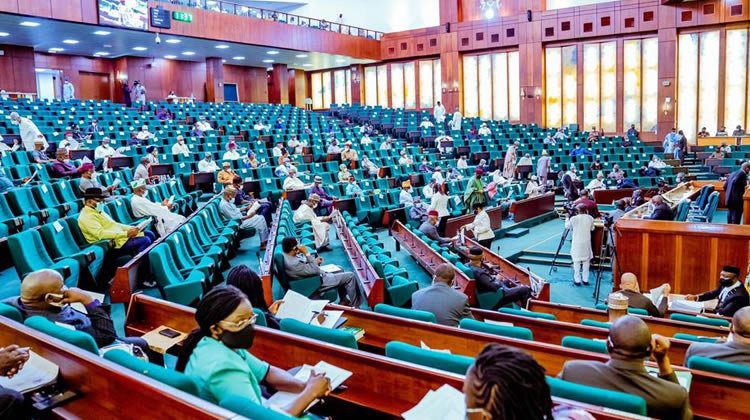
NG-CARES investigation launched to scrutinize COVID-19 stimulus fund use and impact on vulnerable Nigerians
NG-CARES investigation by the House of Representatives Committee has revealed significant concerns over the Nigeria COVID-19 Action Recovery and Economic Stimulus programme’s ability to deliver meaningful assistance to vulnerable Nigerians.
Also read: House of Rep Probe N1.12 Trillion Anchor Borrowers Fund

The Committee, chaired by Abubakar Kusada (Katsina, APC), launched the probe amid widespread public dissatisfaction.
Kusada addressed journalists at the National Assembly Complex in Abuja, highlighting complaints that the multi-billion-naira initiative has yielded limited benefits for its intended beneficiaries.
Jointly funded by the Federal Government and the World Bank, NG-CARES was designed to ease economic hardships caused by the COVID-19 pandemic, the removal of fuel subsidies, and exchange rate unification.
The programme, active across Nigeria’s 36 States and the Federal Capital Territory, is in the final year of its initial four-year phase, set to conclude in December 2025.
With a substantial budget of $696 million (₦1.06 trillion), Kusada expressed frustration that many of Nigeria’s poorest citizens have yet to experience tangible improvements in their livelihoods.
NG-CARES targets three main result areas: social safety nets and basic services, food security and agriculture, and the recovery and resilience of micro, small, and medium enterprises.
It offers initiatives like cash transfers, public works, livelihood support, farm inputs, infrastructure upgrades, matching grants, and ICT support for small businesses.
Despite billions allocated to states for these efforts, Kusada noted a glaring lack of visible positive impact on the ground.
Exercising oversight powers under Sections 88 and 89 of the Constitution, the Committee intends to investigate potential mismanagement or diversion of funds, assess value for money, and scrutinise procurement for irregularities.
The Committee will also review the performance of independent verification agents, assess fairness in fund allocations, and evaluate the capacity and training of state-level agencies responsible for delivery.
“If funds have been utilised as intended, Nigerians must be informed about how and where to access the benefits,” Kusada stressed.
“If misappropriated, those responsible will be held to account and the money recovered. Where oversight or procurement systems have failed, we will involve relevant anti-corruption bodies.”
He concluded, “The Committee will see to it that every kobo spent translates into real and measurable improvements in people’s lives. If the programme is successful, the results should be evident. If it is not, corrective actions must be taken immediately.”
Also read: Voting bill pulled: House of Rep shifts focus to voluntary turnout, not compulsion
This investigation signals a critical turning point in ensuring transparency and effectiveness in Nigeria’s COVID-19 economic recovery efforts.


News
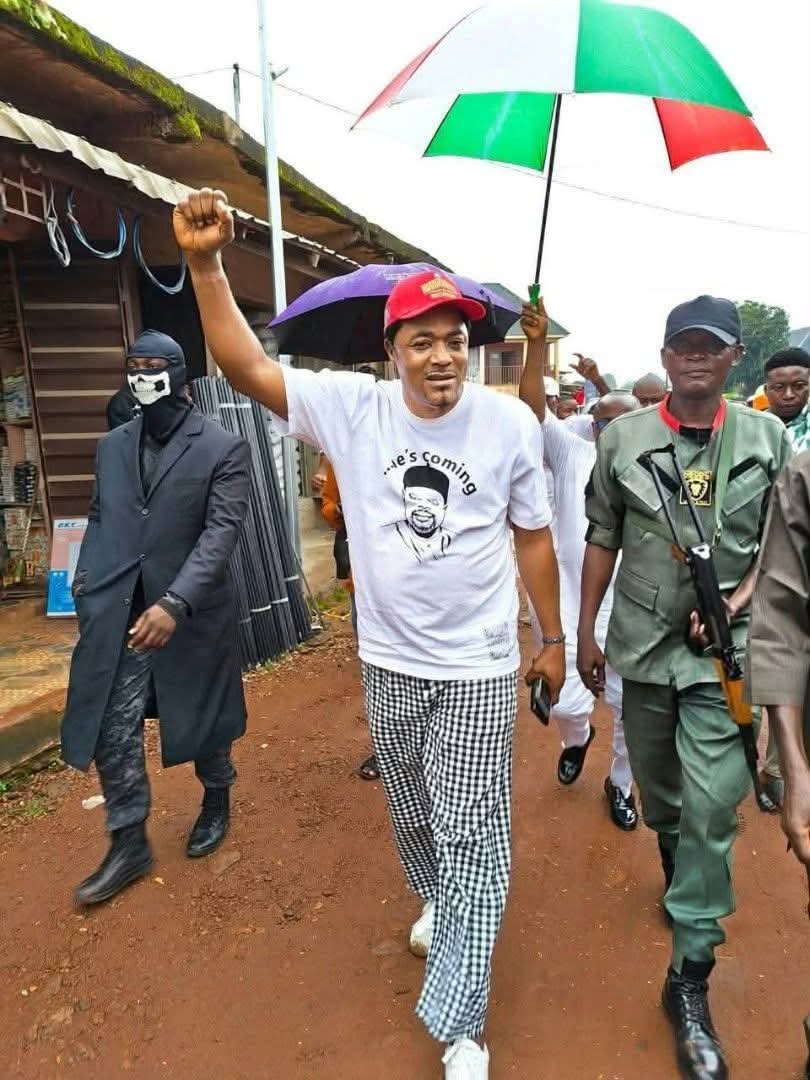
Panic-stricken Enugu APC begins flag-off of already flagged of roads in Nsukka after PDP’s Chijioke Ugwu’s homecoming

-
Politics3 years ago
13 Ondo Assembly Members Disown Endorsement of Aiyedatiwa
-
Politics3 years ago
APC Group, Ondo Govt, Quarrel Over Money for Endorsement
-

 Trending News5 years ago
Stop unsavoury, inciting statements – DSS warns
-

 Others5 years ago
Adron Homes Celebrates 10 Years Of Housing Excellence
-

 Humanity5 years ago
President Buhari Commiserates With Ambassador Maureen Tamuno Over The Loss Of Her Father
-

 Others7 years ago
EX- CUSTOMS BOSS, IBRAHIM MERA’S DWINDLING FAME
-

 Business2 years ago
Bigi Carbonated Soft Drinks Treats 40 Consumers to an Epic Easter Movie Hangout
-

 Business2 years ago
Wema Bank Shines at Global SME Finance Forum Conference Awards 2024 …Awarded: • SME Financier of the Year (Africa) • Platinum Award for Best Financier for Women Entrepreneurs (Africa)