
News
US House Votes to Halt Nigeria Aid Over Christian Persecution Concerns

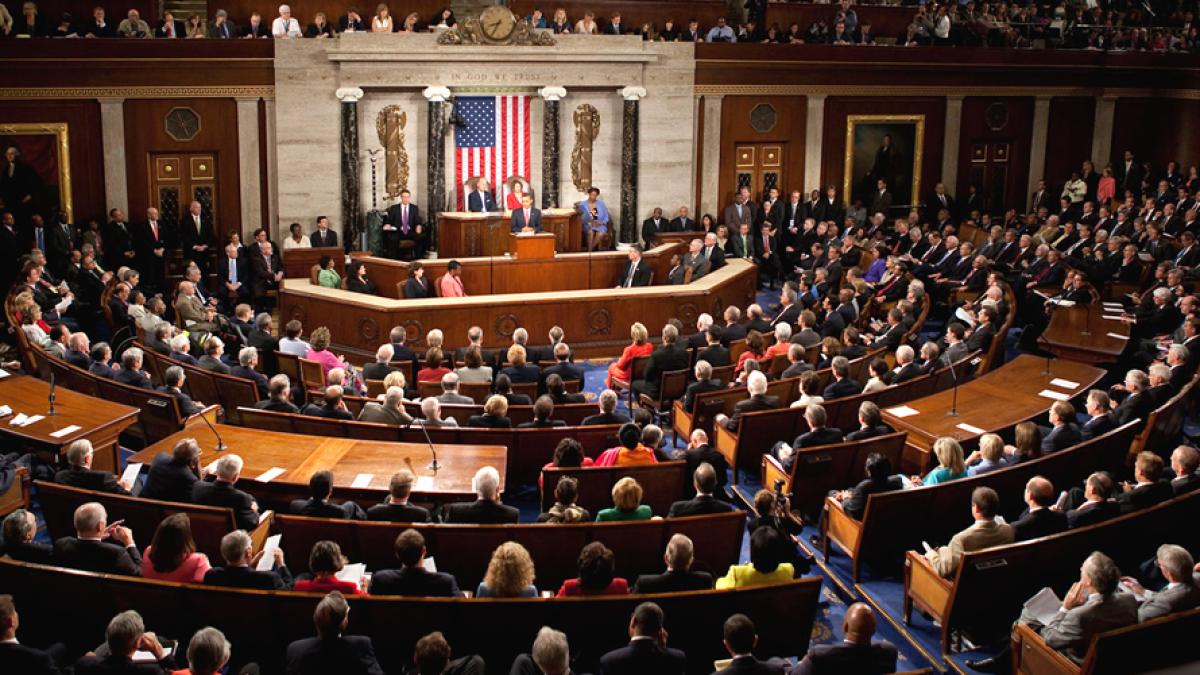
US aid to Nigeria faces a proposed suspension after House lawmakers approve an amendment tied to violence and Christian persecution concerns
The United States House of Representatives has approved an amendment that would withhold all US aid to Nigeria until the country meets specific conditions on addressing violence and protecting affected communities.
Also read: Desmond Elliot Says Nollywood Earnings Funded His Constituency Office

The amendment, sponsored by United States Congressman Gregory Steube, was adopted through a voice vote on Wednesday and attached to the fiscal year 2027 State Department spending bill, which the House later passed by 217 votes to 209.
Steube announced the development on X, saying the measure was designed to pressure the Nigerian government to take stronger action against attacks targeting Christians.
“My amendment to withhold 100% of U.S. aid to Nigeria until its government stops the slaughter of Christians has passed,” Steube wrote.
The original spending proposal would have withheld 50 per cent of funds allocated to Nigeria until the US Secretary of State certified that the Nigerian government had taken “effective steps to prevent and respond to violence and hold perpetrators accountable.”
The approved amendment increases the proposed restriction to 100 per cent while maintaining the same certification requirements.
Speaking on the House floor, Steube argued that foreign assistance should be linked to accountability and said the measure was intended to encourage stronger government action against insecurity.
“Foreign aid should never be a reward for failure,” he said.
The congressman also raised concerns about US spending commitments, questioning continued financial support to Nigeria amid America’s growing national debt.
The proposed measure does not immediately affect US assistance to Nigeria. It must still pass through the Senate and receive presidential approval before it can become law.
The vote follows previous actions by the Trump administration, which redesignated Nigeria as a Country of Particular Concern in 2025 over allegations relating to Christian persecution.
The issue has remained a point of discussion between US lawmakers and Nigerian authorities, with security challenges, including terrorism, banditry and communal violence, drawing international attention.
Nigeria has consistently maintained that insecurity affects citizens across religious and ethnic lines, while government officials have emphasised ongoing efforts to combat armed groups and improve national security.
Also read: Desmond Elliot Says Nollywood Earnings Funded His Constituency Office
The development comes as Nigeria and the United States continue security cooperation focused on countering terrorist organisations, particularly in the country’s northern regions.


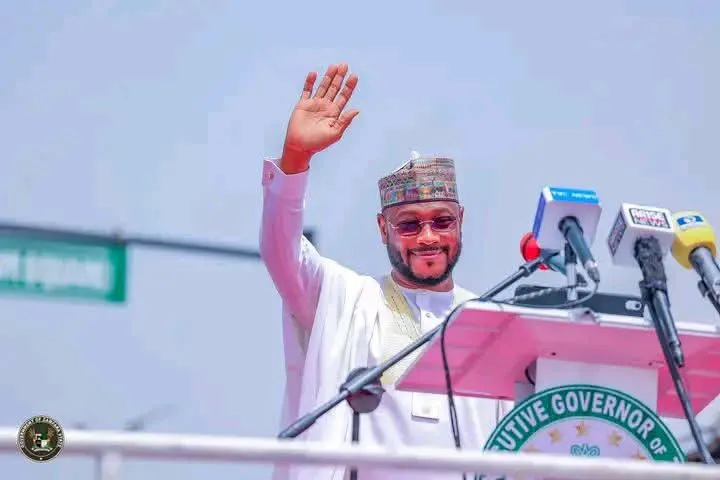
Governor Dauda Lawal says the mining and processing project will drive industrialisation, local value addition and responsible mineral development
Experts say digitised border systems are vital to unlocking Africa’s free trade ambitions and boosting Nigeria’s export competitiveness
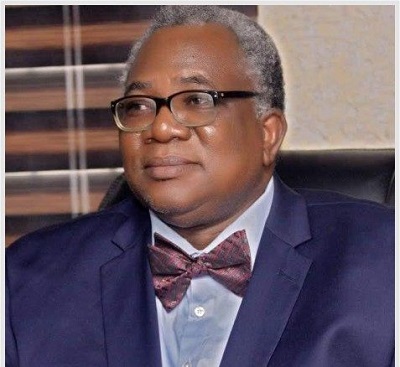
President praises Senior Advocate’s legal excellence, APC service and contributions to democratic governance as he marks his 65th birthday
-
Politics2 years ago
13 Ondo Assembly Members Disown Endorsement of Aiyedatiwa
-
Politics2 years ago
APC Group, Ondo Govt, Quarrel Over Money for Endorsement
-

 Trending News5 years ago
Stop unsavoury, inciting statements – DSS warns
-

 Others4 years ago
Adron Homes Celebrates 10 Years Of Housing Excellence
-

 Humanity4 years ago
President Buhari Commiserates With Ambassador Maureen Tamuno Over The Loss Of Her Father
-

 Others7 years ago
EX- CUSTOMS BOSS, IBRAHIM MERA’S DWINDLING FAME
-

 Business2 years ago
Bigi Carbonated Soft Drinks Treats 40 Consumers to an Epic Easter Movie Hangout
-

 Business2 years ago
Wema Bank Shines at Global SME Finance Forum Conference Awards 2024 …Awarded: • SME Financier of the Year (Africa) • Platinum Award for Best Financier for Women Entrepreneurs (Africa)